

May 12, 2026
TOKYO – The Antarctic Treaty Consultative Meeting, which governs the peaceful use of Antarctica, started in Hiroshima on Monday. The main topics of discussion include measures to address the surge in tourists and the impact of climate change — such as the retreat of sea ice — on the ecosystem. This marks the third time the meeting has been held in Japan and the first time in 32 years since it was last held in Kyoto in 1994. The meeting will continue through May 21.
The treaty, which entered into force in 1961, freezes territorial claims in Antarctica, bans military activities and calls for international cooperation on scientific research. Currently, 58 countries are party to the treaty, including the United States, Russia and China.
The conference is held annually on a rotating basis by countries conducting research, such as those operating research stations in Antarctica. Hideki Uyama, ambassador in charge of the Antarctic Treaty Consultative Meeting of the Foreign Ministry, will serve as chair. From the Japanese government, Ayano Kunimitsu, state minister for foreign affairs, and Kiyoto Tsuji, state minister of the environment, will attend the meeting. Government officials from nearly 50 countries are expected to attend, and the total number of participants will be about 400, including representatives from international organizations and researchers.
Decisions at the meeting are generally made by unanimous consent of the participating nations. Key topics will include conservation measures for the emperor penguin — which was added to the International Union for Conservation of Nature (IUCN) Red List as a threatened species in April — and efforts to improve the transparency of each country’s activities. The Japanese government intends to lead the discussions and use this as an opportunity to reaffirm the importance of international cooperation.
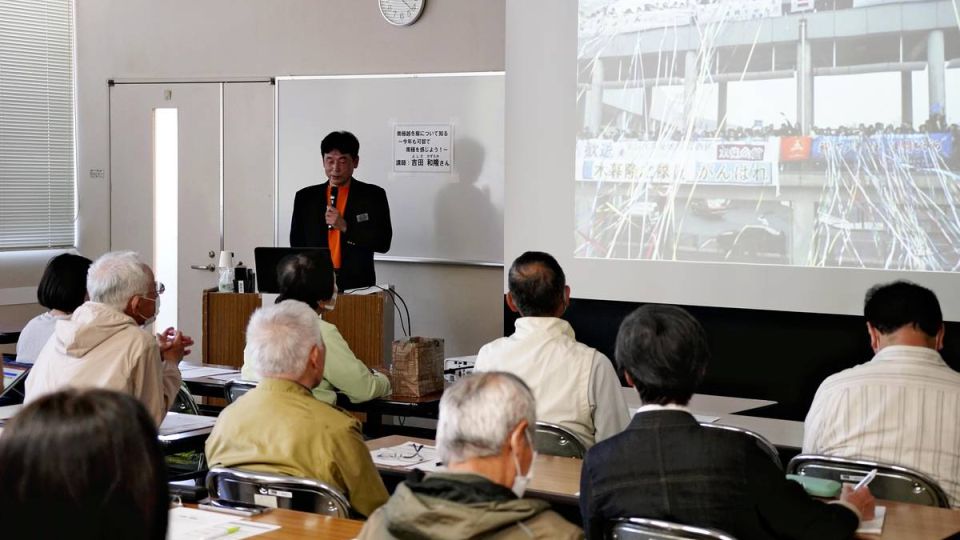
Participants in past Antarctic research activities spoke about their experiences in Hiroshima on Sunday, ahead of the Antarctic Treaty Consultative Meeting, to help local residents learn about the continent.
Among the speakers was Kazutaka Yoshida of the Land, Infrastructure, Transport and Tourism Ministry’s Chugoku Regional Development Bureau, who spoke in Hiroshima’s Asakita Ward.
Yoshida was sent to Antarctica in the late 1990s. He was involved in the construction of new residential facilities at Japan’s Showa Station and in the maintenance of snow vehicles.
Yoshida, 61, told the audience how he almost got lost when a snowstorm obstructed his vision after he moved away from a snow vehicle.
“You never know when a blizzard will come,” he said, describing the harsh environment in Antarctica.