

December 1, 2025
SEOUL – South Korea’s demographic structure is shifting at its fastest pace yet, with the share of single-person households surpassing 36 percent for the first time last year and the senior citizen population crossing the 10 million mark, new government data showed Sunday.
According to the Ministry of Health and Welfare’s statistics yearbook on social security, the number of single-person households reached a record high of nearly 8.05 million last year. This marks a sharp rise from 5.2 million households in 2015 to 6.64 million in 2020, with the figure first exceeding the 30 percent threshold.
If the current pace continues, the ministry projects single-person households will reach 8.55 million by 2027, 9.71 million by 2037 and nearly 10 million by 2042, cementing the model as the country’s dominant living arrangement.
The report also highlights the rapid acceleration of aging.
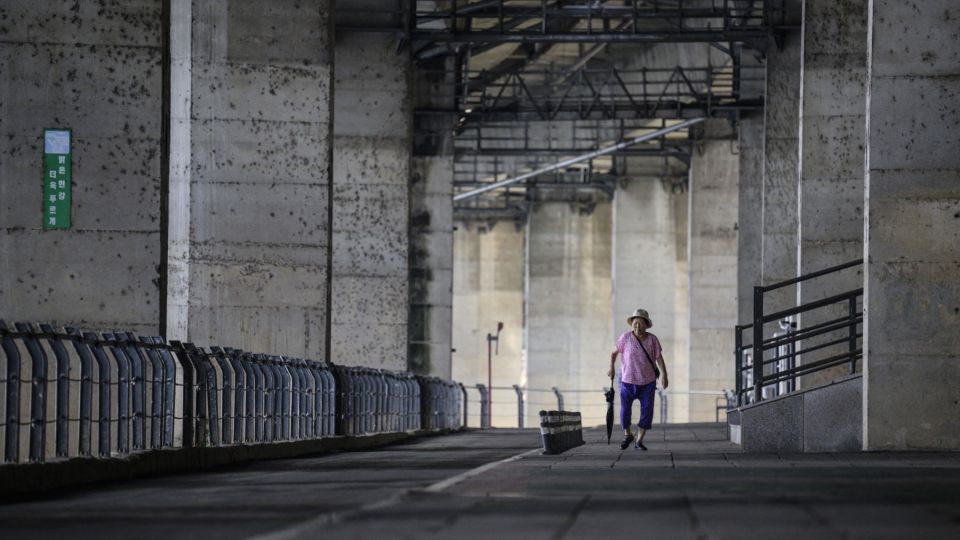
The population aged 65 and older reached 10 million for the first time last year, representing 20.1 percent of the country, officially placing South Korea in a “superaged society.”
Officials noted that this demographic shift is occurring faster in Korea than in nearly any other advanced economy.
The ongoing decline in the number of children is also visible in child care infrastructure.
The number of day care centers nationwide has plummeted from 43,770 in 2013 to 30,923 in 2022, 28,954 in 2023 and 27,387 last year, continuing a steep annual drop.
However, education-related spending has continued to climb.
Private education participation reached a record-high 80 percent last year, up from 78.5 percent in 2022. Monthly average private education spending per student was 474,000 won ($322), with high school students spending 520,000 won, middle school students 490,000 won and elementary school students 440,000 won.
The report also found that Koreans visit the doctor far more frequently than those in other member countries of the Organization for Economic Cooperation and Development. In 2023, Koreans received medical treatment an average of 18 times a year, far exceeding the OECD average of 6.7 visits.
The Welfare Ministry compiles the yearbook each year under the Framework Act on Social Security, drawing from national statistics and multiple field surveys.
Officials said the findings underscore the urgency of adapting social policies to rapid demographic change, from expanding elderly care and single-person household support to rethinking child care and education frameworks amid declining birth rates.