

February 11, 2026
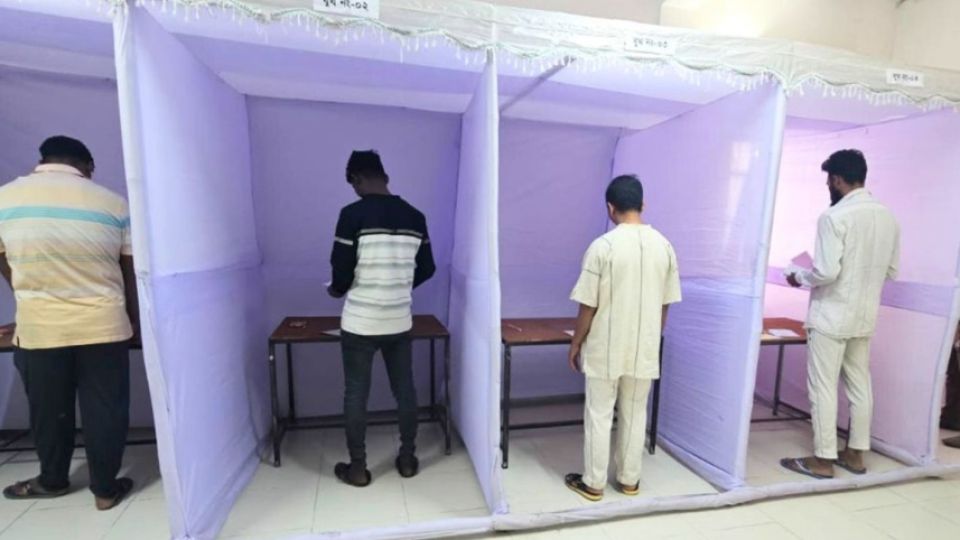
DHAKA – A total of 5,067 inmates exercised their voting rights in the 13th national parliamentary election through postal ballots, marking the first time in Bangladesh’s history that prisoners were allowed to vote while in custody. The voting process formally concluded yesterday, prison officials said.
Of nearly 86,000 inmates in 75 prisons nationwide, 5,990 registered to vote by post. Some 380 applications were rejected due to errors, leaving 5,610 eligible voters. Eventually, 5,067 cast their ballots, while 543 did not vote.
Among those registered were 60 high-profile detainees — 39 political leaders, 11 former secretaries, five police officers, and one university teacher. Of them, 56 voted, officials confirmed.
Assistant Inspector General (Development and Media) of the Prison Directorate, Md Jannat-ul-Farhad, told The Daily Star that ballot envelopes from different prisons had been sent to the returning officers of the respective districts.
“Whether a particular individual voted or not cannot be disclosed,” he said.
Prison sources said former ministers Rashed Khan Menon, Hasanul Haq Inu, Junaid Ahmed, and Dipu Moni were among those who registered. Dipu Moni, however, did not cast her vote despite registration, they added.
According to the Prison Directorate, voting took place over several days: 1,521 inmates voted on February 3; 988 on February 4; 1,138 on February 5; 420 on February 6; 471 on February 7; 295 on February 8; and 234 on February 9. Among the voters were 198 female inmates.
Registration, conducted through the Election Commission’s mobile application with assistance from prison authorities, continued for three weeks and ended on January 5, when prisons held around 86,000 inmates.
Jannat-ul-Farhad said that while the initiative was historic, interest in registration remained limited.
“Many inmates believed they might be released on bail at any time and therefore did not register,” he said. “Also, a significant number of long-term inmates do not have national identity cards.”
Prison officials said many inmates belonged to the Awami League and its affiliated organisations and showed little interest in registering. When asked about the claim, Jannat-ul-Farhad said he was not aware of the matter.