

December 3, 2025
JAKARTA – The Corruption Eradication Commission (KPK) will investigate an alleged illegal gold mining operation near Komodo Island in East Nusa Tenggara, which has sparked concerns over environmental damage and potential threats to the endangered Komodo dragon.
KPK Regional Supervision Task Force Head for Region V, Dian Patra, said authorities discovered the suspected mine on Big Sebayur Island in West Manggarai Regency, just a short distance from Komodo Island, after receiving tips from the public.
“When we visited the island, we found large mining pipes scattered across the area, but no one was present. We were told that the operations occur at night and that the gold is transported to the nearby West Nusa Tenggara province, although this has not been confirmed,” he said over the weekend, as quoted by Kompas.com.
Dian added that he had reported the findings to the Forestry Ministry, the Environment Ministry and the Energy and Mineral Resources Ministry. The KPK will also investigate the case, as authorities suspect the illegal operations may be supported by local officials.
He expressed concern that the mining activities could cause environmental pollution and threaten Komodo dragons.
“Gold mining uses cyanide and mercury. I am worried about the environmental impact, especially since Komodo dragons are found nowhere else in the world,” Dian said.
Read also: House calls on government to investigate massive illegal gold mining near Mandalika
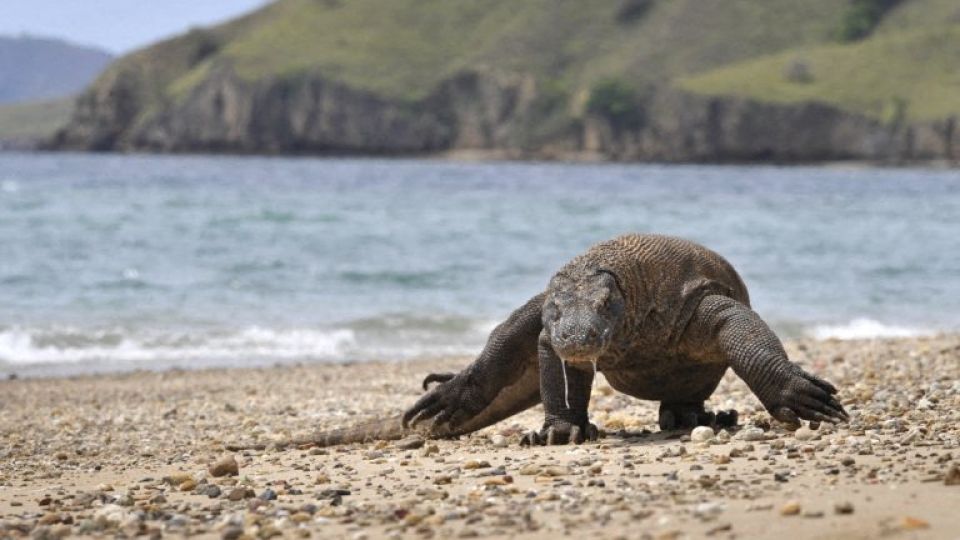
The Komodo dragon (Varanus komodoensis) is the world’s largest living lizard, capable of reaching up to three meters in length and weighing more than 70 kilograms. It is endemic to a few Indonesian islands, including Komodo, Rinca and Padar.
Classified as endangered by the International Union for Conservation of Nature (IUCN), Komodo dragons face threats from poaching, human encroachment and habitat loss caused by rising sea levels. The IUCN estimates the adult population at around 1,383 and projects a decline of more than 30 percent over the next 40 years from the 2010 baseline.
West Manggarai Legislative Council (DPRD) member Hasanudin has urged law enforcement authorities to thoroughly investigate the alleged illegal gold mining operation on Big Sebayur Island.
“How is it possible that illegal mining activities are taking place on Big Sebayur Island? We know that area is a buffer zone for Komodo National Park and mining activities are strictly prohibited,” Hasanudin said on Monday.
“Big Sebayur Island is small. Any mercury or cyanide waste will inevitably flow into the sea, threatening the surrounding ecosystem and putting local communities at risk,” he added.
Hasanudin also warned that the alleged illegal mine could negatively impact tourism in Labuan Bajo, one of Indonesia’s top tourist destinations, renowned for its rich marine biodiversity, including manta rays, turtles and vibrant coral reefs.
He noted that the waters near Big Sebayur Island, just 20 minutes by speedboat from Labuan Bajo, are popular with tourists for diving and snorkeling.
“We cannot remain silent. This is a serious issue. West Manggarai must not be harmed by greedy individuals who destroy the environment and infringe upon public rights,” Hasanudin said.
East Nusa Tenggara Police Chief Ir. Gen. Rudi Darmoko has denied reports of an active illegal gold mining operation on Big Sebayur Island, saying that KPK investigators had only found remnants of past mining activities.
“We visited the island and found no ongoing mining, heavy machinery or illegal workers. What we found were old mining pits filled with concrete, small stilt houses once used by pearl farm workers, generators, plastic drums, abandoned fish cages and other fishing equipment,” he said on Monday.
Read also: Govt to close some 1,400 illegal gold mines in Halimun Salak National Park
Rudi claimed that illegal traditional gold mining had taken place on the island in the past, but the individuals responsible were arrested in 2012 and 2014, and all legal proceedings have since been completed.
“There is currently no new mining activity or gold production. However, we urge the public to report any suspicious activities related to illegal mining,” he added.