

December 23, 2025
DHAKA – Bangladesh and Japan have agreed on the draft of a bilateral Economic Partnership Agreement (EPA), marking the country’s first full-fledged trade deal as it seeks to secure preferential market treatments ahead of its scheduled graduation from the least developed country club next year.
Bangladeshi Commerce Adviser Sk Bashir Uddin and Japanese Foreign Minister Motegi Toshimitsu endorsed the draft during a phone conversation yesterday. The declaration was later announced in both countries through separate press briefings.
Under the draft agreement, Japan will grant duty-free access to 7,379 Bangladeshi products, including ready-made garments, once the EPA is signed. This will cover about 97 percent of the export basket of Bangladesh.
In return, Bangladesh will provide duty-free access to 1,039 Japanese products, largely in phases over 18 years.
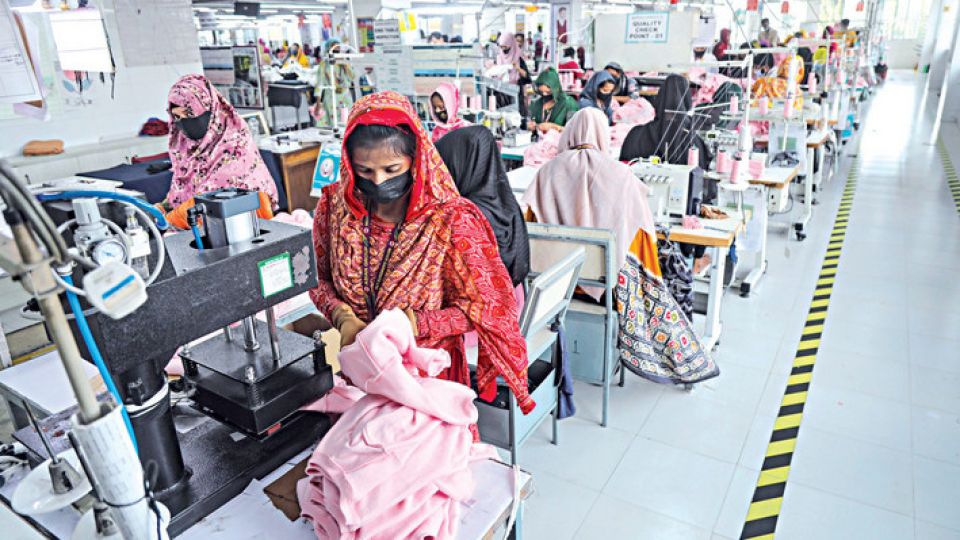
A key feature of the EPA is that ready-made garments, the main export item of Bangladesh, will enjoy duty-free access to the Japanese market from the first day of implementation. The agreement will also allow Single Stage Transformation provisions for garments, easing rules of origin requirements.
The agreement also covers services. Under the trade in services chapter, Bangladesh has agreed to open 97 sub-sectors to Japan, while the island nation will open 120 sub-sectors to Bangladesh across four modes of supply.
Provisions on human resources, movement of natural persons and investment are also included, which officials expect will support increased Japanese investment and technology transfer.
After yesterday’s endorsement, the final text of the EPA will now be sent to the National Parliament of Japan, the Diet, and the advisory council of Bangladesh for approval.
At the press conference at the commerce ministry, Commerce Adviser Bashir Uddin said eight rounds of negotiations had been held before finalising the draft.
He said the agreement is expected to be signed by the end of next month.
At the programme, Lutfey Siddiqi, special envoy on international affairs to the chief adviser, said successfully concluding negotiations at this stage was a difficult task and expressed hope that the agreement would deliver tangible gains in trade and investment.
Chowdhury Ashik Mahmud Bin Harun, executive chairman of the Bangladesh Investment Development Authority (Bida), said Japanese investment in Bangladesh currently stands at about $500 million, a small share of Japan’s outbound investment.
He said the absence of a formal trade framework had long been cited by Japanese investors and that the EPA could provide a platform to attract greater investment and facilitate future trade agreements.
The Bangladesh-Japan EPA will be the country’s first comprehensive trade agreement. So far, Bangladesh has signed only one preferential trade agreement with Bhutan in December 2020, despite negotiating with more than a dozen trading partners.