

January 13, 2026
PHNOM PENH – The Fauna & Flora-Cambodia Programme, in collaboration with the Ministry of Environment, announced the release of “Cambodian Caves: Guidelines for sustainable development and management” today, January 12. The new rules aim to support more effective use of caves in Cambodia.
As the first of their kind for the country, the new guidelines mark a significant step towards the protection and sustainable management of the Kingdom’s unique limestone karst ecosystems, a joint press release explained.
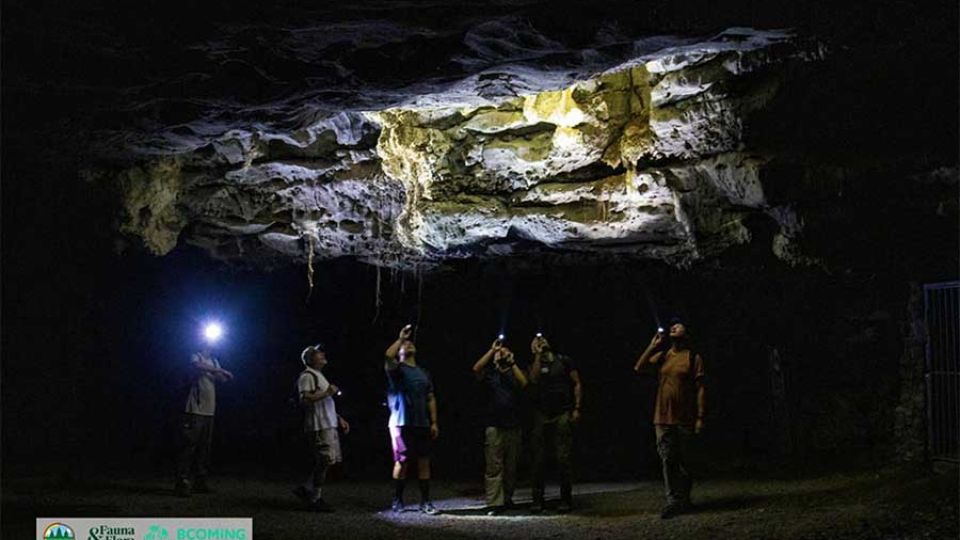
Limestone caves are among Cambodia’s most under-appreciated natural treasures. Hidden within dramatic karst landscapes, they hold exceptional cultural, biological and economic value.
“These ecosystems support unique and often irreplaceable lifeforms, preserve remnants of our ancient past, and sustain local livelihoods through tourism and guano collection. Yet despite their significance, Cambodian caves remain poorly understood, largely unregulated and are increasingly threatened,” it noted.
The guidelines integrate international best practices with a Cambodian context, providing practical measures to safeguard bat colonies, preserve rare and endemic cave biodiversity, promote sustainable guano harvesting and ensure responsible tourism development. They also emphasise the preservation of the unique cultural and archaeological heritage found in many of Cambodia’s cave systems.
They were prepared by Dr Neil Furey, a conservation biologist who has spent 25 years researching karst ecosystems and cave bats in mainland Southeast Asia, and reviewed by subject authorities and experts from multiple organisations including Fauna & Flora-Cambodia Programme Department of Biodiversity, Ministry of Environment Cave Invertebrate Specialist Group and the Bat Specialist Group of the IUCN Species Survival Commission.
Designed as a comprehensive resource for local and sub-national authorities, protected area managers and community stakeholders, the cave guidelines will equip stakeholders with the knowledge and tools needed to protect and sustainably manage limestone and cave ecosystems across Cambodia.