

January 23, 2026
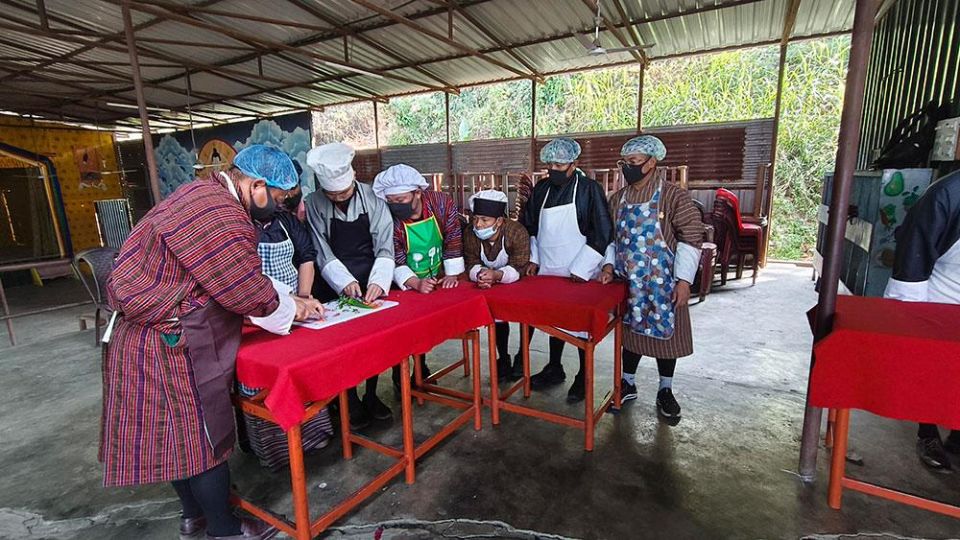
PHUENTSHOLING – A total of 280 school cooks from 20 dzongkhags have received training in egg recipe diversification, food safety, hygiene, and nutrition-sensitive meal preparation in Phuentsholing.
The goal is to prevent menu fatigue and improve students’ acceptance and enjoyment of school meals.
Organised under the One Child, One Egg initiative, officially launched in February 2025, the training equipped cooks with practical skills to prepare varied, culturally appropriate, and child-friendly egg-based dishes, enhancing both meal appeal and nutritional value.
Currently, the programme supports 343 feeding schools, including all primary schools, extended classrooms, and special needs institutes, covering 31,579 students nationwide.
“Through the One Child, One Egg initiative, FAO is enabling schools to serve diverse and nutritious egg-based meals,” said Ken Shimizu, Food and Agriculture Organization Representative for Bhutan and Nepal. “Training school cooks ensures children receive healthy, appealing food that supports their growth and learning.”
The Deputy Chief Programme Officer of the Department of Education Programmes under the Ministry of Education and Skills Development, Kinzang Loday, said that daily repetition of the same egg recipe can lead to student fatigue. “While eggs are a superfood, serving boiled eggs every day may not be preferred by children,” he said.
The three-day training was conducted in seven batches across four locations, each comprising 35–40 participants. Cooks were taught five different egg recipes, enabling variety throughout the school week while maintaining strict hygiene standards.
Although around 300 cooks were initially targeted, some could not attend due to personal reasons such as transfers.
A cook from Rinchenling Primary School in Chukha, Passang Wangdi, found the training enriching. “It covered not only cooking techniques, but also our responsibility in the kitchen and the importance of hygienic food preparation,” he said.
Tshering Dema from Shemagangkha Primary School in Chukha added that before the training, cooks mainly prepared limited options like egg fried rice and salad. “The training helped us learn new dishes and improve our menu.”
At the same time, poultry farmers supplying eggs to the programme also received training on biosecurity and poultry management.
Sessions focused on disease prevention, safe handling, hygiene, and climate-resilient production methods, ensuring a steady supply of safe, high-quality eggs to schools.
The One Child, One Egg initiative is a collaborative effort involving the Food and Agriculture Organization Bhutan, the Ministry of Education and Skills Development, the Ministry of Agriculture and Livestock, the Bhutan Livestock Development Corporation Limited, poultry farmers, and local communities.