

January 26, 2026
NEW DELHI – Indian stray dogs debate resurface with clockwork regularity – usually after a bite, a death, or a court intervention. Each time, the conversation collapses into binaries: animal lovers versus heartless residents, compassion versus cruelty, feeders versus
“anti-dog” citizens. What is missing is a serious discussion on responsibility, governance, and the psychological under current shaping this conflict.
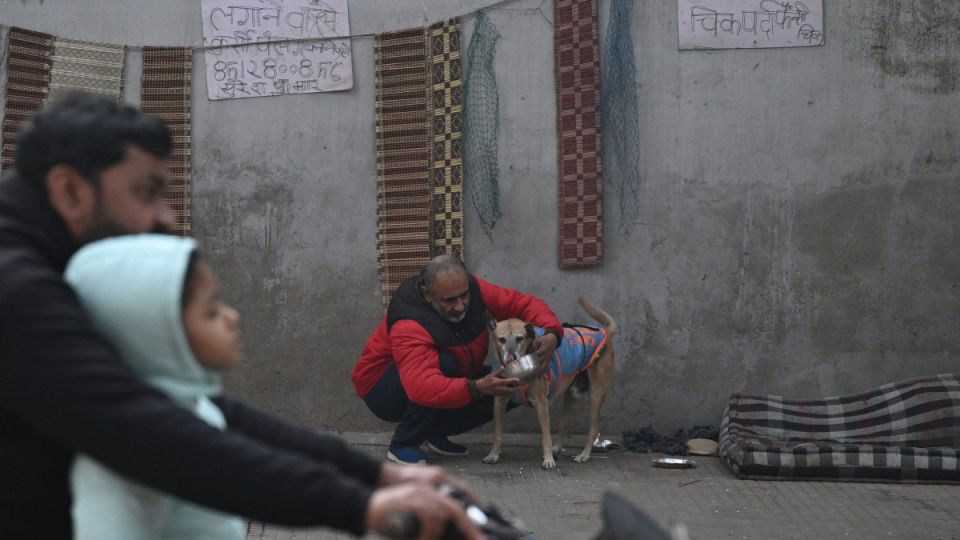
Recent observations by the Supreme Court – suggesting that dog feeders may be held accountable for bite incidents – have triggered outrage among animal welfare advocates. Lawyers have argued, citing scientific studies, that feeding facilitates sterilisation, reduces aggression, and helps vaccination.
Courts have clarified that feeding is not banned. Yet the anxiety on the ground remains real and unresolved. The problem is not feeding per se. The problem is unregulated compassion in a-governance vacuum. When the state abdicates, society fractures. Urban local bodies across India have failed at basic animal management. Sterilisation drives are inconsistent, data is poor, enforcement is absent, and public grievances are routinely ignored.
Municipal authorities often act only when courts intervene, citing fear of confrontation with activist groups or legal ambiguity. As a result, responsibility is pushed downward – onto RWAs, residents, security guards, and finally the judiciary. This is not sustainable governance. In many neighbourhoods, “feeding” has degenerated into informal garbage disposal. Leftovers are dumped in plastic bags on streets or outside other people’s homes.
Dogs tear through plastic; cows ingest it; streets remain filthy.
Residents complain, but are told feeding is a “right.” Safety concerns are dismissed as cruelty.This is not animal welfare. It is civic neglect. The debate must confront a harder truth: much of modern dog keeping- and unregulated feeding – is driven by emotional substitution rather than animal-centric thinking. Historically, dogs had clear functional roles: guarding livestock, assisting hunters and protecting property. Today, in dense urban apartments of 600-800 square feet, dogs are expected to fulfil emotional needs companionship, validation, loyalty – that human relationships increasingly tail to provide.
There is nothing immoral about seeking companionship.
But problems arise when private emotional needs spill into shared public spaces without responsibility. In lifts, corridors, parks, and streets, residents are told: “Don’t worry, the dog won’t do anything.” But fear is not irrational. Children panic. Elderlyresidents hesitate to walk. Cyclists and pedestrians are chased by packs. When bites occur, accountability dissolves. Compassion without control becomes coercion.
A critical distinction must be made between loving animals and keeping animals responsibly, Love demands effort, structure, and restraint. In many Indian cities, what passes for love is convenience. Exotic breeds ill-suited to climate are confined to balconies. Dogs are left unattended for long hours.
Hygiene norms are ignored. Owners resist leashes, refuse training, and outsource care to guards or domestic workers who lack both authority and accountability. In societies where pet ownership is common, responsibility is enforced through licensing, fines, designated zones, and strict liability. In India, pet ownership is aspirational, but discipline is absent.
This gap fuels resentment and conflict. Public discomfort with stray dogs is often moralised as hatred. This is dishonest. Fear of injury – especially among children and the elderly – is legitimate. Dog bites are not abstract statistics; they result in trauma,
stitches, infection risks, and lifelong fear.
When a dog bites, the victim pays the price – medically, emotionally, financially. What consequencedoes the feeder or owner face? A warning? A fine? Social media outrage?
A society that values both human life and animal welfare must answer this honestly.
The most telling aspect of the urrent debate is that civic bodies icted only afterthe Supreme Court ook note. Barricades were installed. Awareness increased. Practices hanged.
This raises an uncomfortable question: why must constitutional ourts perform the role of municipal governance?
When authorities abdicate, compassion becomes chaotic, and afety becomes negotiable.
India does not need bans. It needs balance.
. Regulated feeding zones, away from residential entry points
. Mandatory registration and accountability for feeders and pet owners
.Scientific sterilisation and vaccination, consistently implemented
. Clear municipal protocols for complaints and bite incidents
. Public education on animal behaviour and hygiene
Most importantly, the State must reclaim its role. Compassion cannot substitute for governance.
The stray dog debate is not merely about animals. It is about how Indian cities negotiate sharedspace, competing fears, and unequal power.
A mature society does not silence safety concerns in the name of virtue, nor does it abandon compassion in the name of order. It builds systems that protect both.
Until then, the conflict will persist-not because Indians lack empathy, but because responsibility remains optional.
And in public life, optional responsibility is always paid for by the most vulnerable.
The writer is director-Mrikal (Al/Data Center) and a young alumni member, Government Liaison Task Foroc, IT Kharagpur and tweets as @iprav inkaus hal.