

January 26, 2026
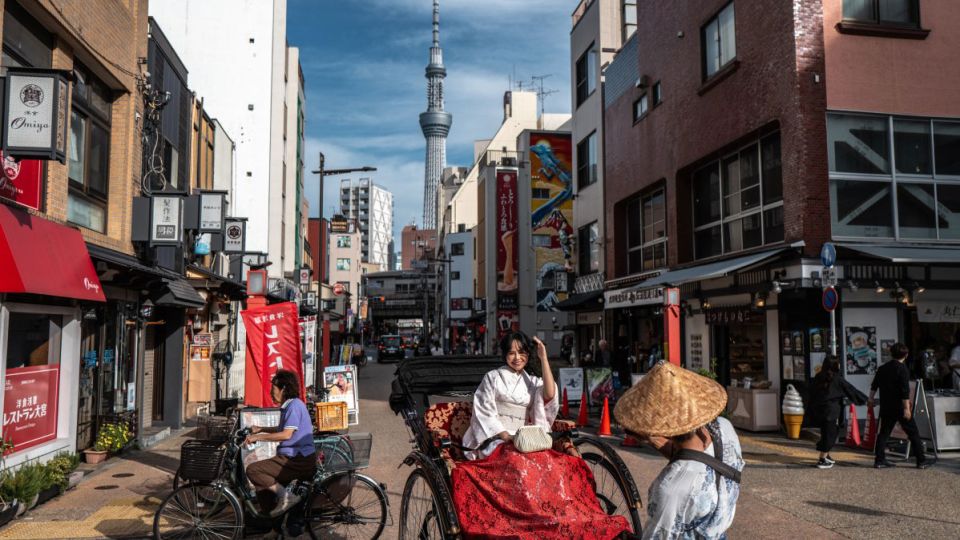
TOKYO – Foreign visitors to Japan have steadily increased, and negative effects from overtourism have been notable. The public and private sectors should accelerate efforts to resolve related issues.
The number of foreign visitors to Japan rose to about 42.7 million in 2025, up 16% from the previous year and reaching a new record high for the second consecutive year. It was the first time the figure has surpassed 40 million.
Tourists have increased from a wide range of areas, including the United States, Australia and Europe, as well as Asian countries and regions such as South Korea. In addition to a tailwind provided by the depreciation of the yen, this appears to reflect signs of growing interest in Japanese food and culture among people overseas.
In 2003, the government launched a full-scale initiative to promote Japan as a tourism-oriented nation. At that time, there were just over 5 million foreign visitors to Japan annually.
The second administration of then Prime Minister Shinzo Abe, which was inaugurated in late 2012, designated tourism policy as part of its growth strategy and accelerated promotional efforts. Foreign visitors topped 10 million for the first time in 2013. Over the subsequent years until the COVID-19 pandemic, visitor numbers increased about fourfold, and their spending in Japan also showed significant growth.
In 2025, spending by foreign visitors hit a record high of ¥9.5 trillion. Considering that automobile exports are valued at about ¥17 trillion and exports of electronic components, including semiconductors, at about ¥6 trillion, tourism can be said to have also grown into one of the pillars vitalizing the Japanese economy.
The government has set a target of boosting the number of foreign visitors to 60 million by 2030. However, visitor numbers from China have plunged since the Chinese government urged its people to refrain from traveling to Japan. Given this situation, it is not certain foreign visitors will continue to increase steadily.
Increasing the number of visitors to Japan also brings significant benefits to regional economies. Against this backdrop, it can be said the nation has reached a stage where the public and private sectors must work together to pursue balanced development alongside efforts to address the growing issue of overtourism.
About 500 people live in Shirakawa-go, a World Heritage site in Shirakawa, Gifu Prefecture. More than 2 million tourists, mainly foreign visitors, flock there every year, causing frequent traffic jams, littering and other problems. This situation has plagued local residents.
In Hakuba, Nagano Prefecture, which is known as a popular ski resort, residents also struggle with nuisances such as late-night noise and graffiti. In Kyoto, local buses are crowded with visitors, disrupting the daily lives of residents.
On Mt. Koya in Wakayama Prefecture, foreign nationals and other visitors are being asked to wear appropriate clothing and observe proper manners befitting the sacred site. Some municipalities have enacted ordinances that impose fines for disruptive acts. It is hoped that tourist destinations will share insights on the measures and their effectiveness.
This year, the central government plans to strengthen measures against overtourism by raising the international tourist tax, also known as the departure tax. Meticulous measures should be implemented, such as those to ease traffic congestion, based on the specific circumstances of local areas.
(From The Yomiuri Shimbun, Jan. 25, 2026)