

February 2, 2026
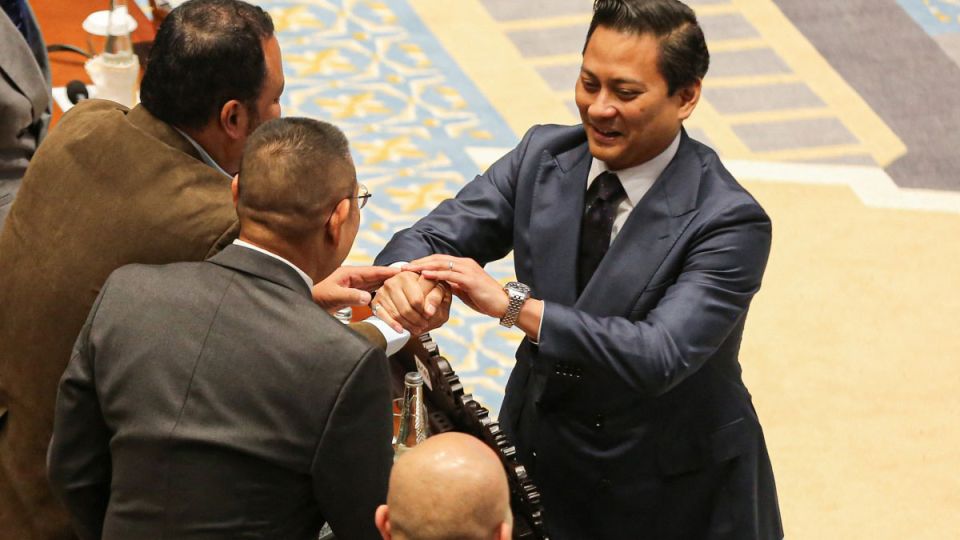
JAKARTA – It has been turbulent weeks for the country’s economy. The appointment of Thomas Djiwandono, a nephew of President Prabowo Subianto, as a deputy governor of Bank Indonesia (BI), immediately unsettled markets. Concerns over the central bank’s independence fueled investor anxiety and added pressure on the rupiah.
Confidence deteriorated further after global index provider MSCI flagged the Indonesia Stock Exchange (IDX) for deficiencies in shareholding transparency and allegations of coordinated trading. MSCI has suspended tracking the IDX and demanded significant reforms, warning that failure to comply could lead to a downgrade of Indonesia’s market status and trigger greater capital outflow.
The government has continued to insist that Indonesia’s economic fundamentals remain strong. But structural vulnerabilities remain evident. Amid the volatility of the markets, even a single external or domestic shock could have disproportionate effects.
This is why Prabowo’s administration should avoid complacency and resist politically expedient fixes to complex economic problems. Slowing growth and the weakening of rupiah do justify reconsidering fiscal and monetary strategies. Less conservative policies may be warranted amid heightened global uncertainty, including lower commodity prices and a stronger United States dollar. However, any shift must be carefully calibrated and institutionally sound.
Indonesia once benefited from the post-COVID 19 pandemic commodity boom, which boosted exports and accelerated recovery. That tailwind has faded. The government revenue declined last year, forcing increased borrowing and pushing the budget deficit close to the legal ceiling of 3 percent of gross domestic product.
The expanded government spending failed to deliver the targeted growth. Finance Minister Purbaya Yudhi Sadewa’s plan to inject Rp 200 trillion (US$11.9 billion) into the banking system met with lukewarm response, forcing the government to withdraw Rp 75 trillion to be allocated for other posts in the state budget.
The less successful injection suggests that the current economic problem is not liquidity, but higher perception of investment and consumption risks as businesses face unstable policies and stagnant domestic demand.
Against this backdrop, Prabowo’s decision to appoint Thomas, who currently serves as a deputy finance minister, to BI’s board appears aimed at encouraging a more accommodative monetary stance to support growth. In his confirmation hearing at the House of Representatives, Thomas emphasized fiscal-monetary “synergy” to increase liquidity and growth, suggesting a potential departure from BI’s focus on inflation control and currency stability.
Closer coordination between BI and the Finance Ministry may sound sensible, but as what Purbaya’s policy exercise has shown, the relationship between fiscal stimulus, credit demand and confidence is far from linear. Beyond borrowing costs, households and businesses remain cautious about income prospects and investment opportunities.
BI rate cuts could support growth at the margin, but Indonesia remains highly exposed to external shocks, evident in the recent stock exchange collapse. Aggressive easing risks higher inflation and renewed pressure on the rupiah without guaranteeing an accelerated economy. If growth disappoints and revenue remains weak, the government would not be able to avoid heavier borrowing, repeating last year’s pattern.
The current economic challenges demand capable hands in the administration and the central bank. They may require policy innovation rather than adjustments driven by political considerations. This makes the perception that the President’s intervention is familial rather than technocratic deeply troubling.
During his tenure at the Finance Ministry, Thomas did not lead major policy breakthroughs. His role was largely supervisory, ensuring that senior ministers aligned with the President’s agenda. A similar dynamic may emerge at BI, where his presence would only reinforce his uncle’s preferences.
Such an arrangement may serve short-term political objectives but risks undermining institutional credibility. Economic policymaking benefits from internal debate and technical dissent, not from becoming an echo chamber.
Purbaya’s pro-growth strategy has merit and may require refinement. It needs a monetary counterpart capable of constructive challenge. BI Governor Perry Wardjiyo’s conservative approach, too, has helped anchor inflation and limit currency volatility, achievements that should not be lightly dismissed. A compromise between the two may result in better economic policies.
Effective leadership depends on receiving rigorous policy alternatives. Indonesia cannot afford governance choices that erode confidence at a moment when credibility matters most.