

April 16, 2026
NEW DELHI – Retail inflation for the month of March was recorded at 3.40% on a year-on-year (YoY) basis. The corresponding inflation rates for rural and urban areas stood at 3.63% and 3.11%, respectively, according to data released by the Ministry of Statistics & Programme Implementation (MoSPI).
Food inflation for March stood at 3.87% (provisional), with rural and urban rates at 3.96% and 3.71%, respectively.
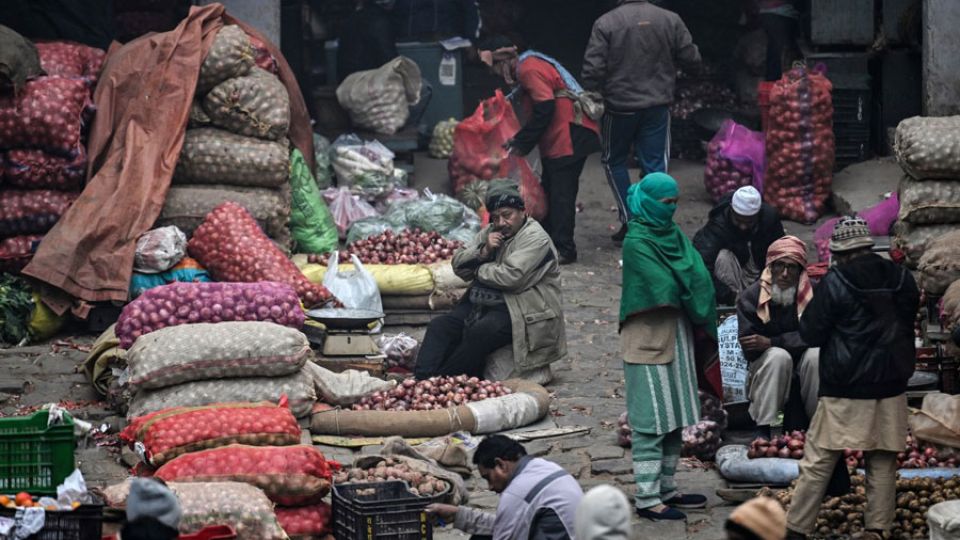
According to MoSPI data, onion prices declined by over 27%, while potato prices fell by nearly 19%. Prices of garlic and pulses such as arhar (tur) and chickpeas also eased, providing relief to consumers. However, tomatoes and cauliflower recorded notable price increases, albeit lower than the levels seen in February.
Among non-food items, inflation in silver jewellery remained exceptionally high at around 148%, while prices of gold and diamond jewellery rose by nearly 46%.
Year-on-year housing inflation for March stood at 2.11%, with rural and urban inflation at 2.54% and 1.95%, respectively.
“The current headline CPI inflation at 3.40% remains broadly aligned with the RBI’s medium-term price stability objective. The persistence of low prices in the transport group and moderate housing inflation suggests that underlying supply-side pressures are contained. However, volatility in food components warrants continued policy vigilance, as fears of a poor monsoon due to El Niño conditions loom large,” said Rajeev Juneja, President, PHDCCI.
Among states with populations above 5 million, Telangana recorded the highest combined inflation at 5.83%, followed by Karnataka and Kerala, which also reported higher-than-average rates. In contrast, Chhattisgarh and Delhi recorded relatively lower inflation levels.