

December 30, 2025
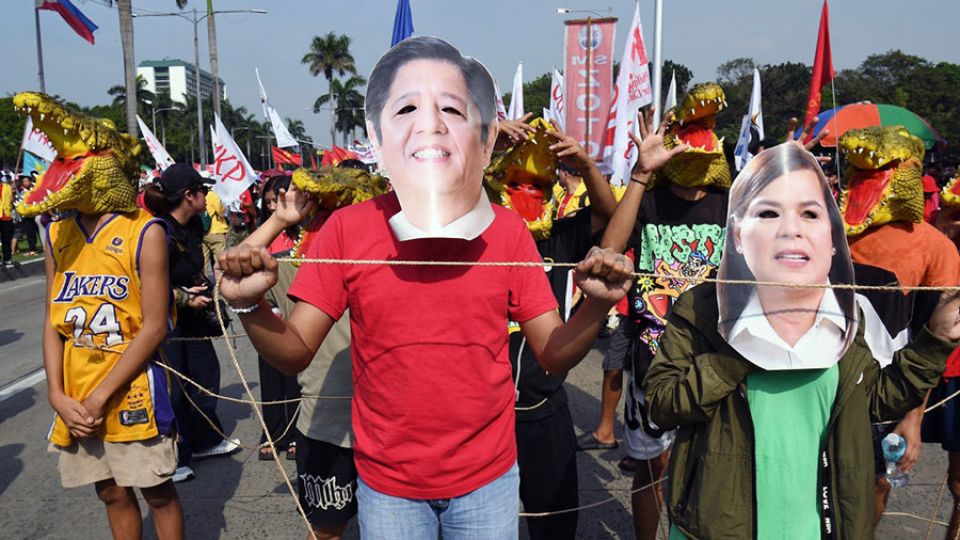
MANILA – The year 2025 exposed a rot that many Filipinos have long suspected but hoped had at last met its match. The flood-control scandal — the alleged looting of billions meant to protect communities from deluge — blew apart the comfortable fiction that thefts of public funds are victimless and politically untouchable. From the President’s blistering State of the Nation Address to mass street protests and the arrest of contractors, the fallout has delivered shocks and opened a rare window of public appetite for accountability.
But as we stand at the threshold of 2026, that window risks becoming a stage for show trials and selective purges unless institutions, the media, and the citizenry insist on one uncompromising principle: justice must be impartial, transparent, and anchored in law.
Reports that the Ombudsman is poised to file charges that could lead to the imprisonment of well-known political figures — including Sen. Chiz Escudero, Sen. Jinggoy Estrada, Sen. Joel Villanueva, and Rep. Eric Yap — must be welcomed only insofar as they follow credible evidence, not partisan zeal. The star witness at the center of these accusations, former DPWH Usec. Roberto Bernardo has placed names at the heart of a scandal that stretches from ghost projects to alleged budget insertions. These allegations are explosive and merit exhaustive and impartial investigations.
Equally disturbing are the accusations surrounding armored trucks and the alleged delivery of billions in cash inside a luxury hotel — claims now implicating former DPWH Sec. Manuel Bonoan, former DepEd Usec. Trigyve Olivar, former Palace Undersecretary Adrian Panganiban and former DOJ Usec Jojo Cadiz Jr. If any truth lies in these sensational accounts, the full force of the law must follow. But sensationalism cannot replace due process. The people must be given solid forensic audits, chain-of-custody explanations, and public accounting of how these allegations were substantiated.
The case of Zaldy Co — reportedly now in Portugal or Spain who maybe arrested next year is another litmus test. Will his overseas arrest lead to a thorough inquiry that follows leads up and down the ladder of power? The same question applies to any Independent Commission for Infrastructure (ICI) recommendations concerning former House Speaker Martin Romualdez. Allegation after allegation has been hurled in public; institutions must translate them into admissible evidence or risk turning the courts into arenas for political score-settling.
The scandal’s web is further complicated by competing leaks and dossiers — from the so-called “Cabral Files” raised by Batangas Rep. Leandro Leviste to “DPWH leaks” circulated by media. These clashes have placed Secretary Dizon and key oversight agencies in an impossible bind: manage a deluge of claims while ensuring whistleblowers and accused alike are treated fairly. The answer cannot be reflexive silence or knee-jerk dismissals. What we need are protected channels for credible whistleblowers, rigorous verification protocols, and public disclosure of investigative steps so that the people can see the law at work, not the theater of accusation.
But over-all, public trust is not some abstract metric. The November SWS survey — showing the President’s “much trust” rating slipped to 38 percent — is a stark warning. Analysts are right to say that a genuine conviction of those who looted public works could catalyze a rebound in trust. But the converse is equally true: hollow gestures, staged arrests, or the selective targeting of opponents will deepen cynicism and fuel more protests, not heal the nation.
The calendar is unforgiving. With only two years left before the next presidential campaign season intensifies and 2028 looming, the Marcos administration faces a stark choice. It must complete the painstaking work of institutional reform and impartial prosecution of the real flood control culprits. On the other hand, it can attempt to convert accountability into a political weapon to clear the field of rivals — including, fresh rounds of impeachment complaints and charges against Vice President Sara Duterte.
Moving forward, we must all insist on due process in these investigations. It must be evidence-based, and open to public where possible, and subject to independent forensic audit. Rumors and viral videos are no substitute for admissible proof.
Protect, verify and utilize only qualified whistleblowers: Create secure, independent mechanisms that protect sources and verify claims quickly through impartial forensic accountants and prosecutors.
Prosecution must be cleared of politics. The Ombudsman, Sandiganbayan, DOJ, and courts must resist becoming instruments of political warfare. Speed is necessary, but not at the expense of fairness.
On the yearly national budget, we must end the culture of opaque insertions and discretionary slush funds. Pass procurement and budget transparency reforms, strengthen whistleblower protections, and institutionalize public asset recovery processes.
And for us, Media, churches, civic groups, and the electorate must hold these government institutions accountable every step of the way. A free press and an engaged citizenry are the best safeguards against both impunity and political persecution.
The people who lost homes and lives to floods deserve more than emotional rhetoric and televised handcuffs. They deserve the restoration of systems that prevent theft in the first place — transparent budgets, accountable procurement, and independent oversight that survives whatever political winds blow through Malacañang, Congress, or the courts.
If the forthcoming prosecutions and investigations are genuine, comprehensive, and blind to status, this moment could be the beginning of a real moral and institutional cleansing. If, however, they become selective, theatrical, or procedurally flawed, they will only deepen the rot and produce yet another generation of cynics who believe that in the Philippines, law is a weapon, not a shield.
We have two years. Our country deserves justice. Not a show. Not news stories. Only real, fair justice that restores confidence and makes sure that public service returns to being a public trust.