

December 19, 2025
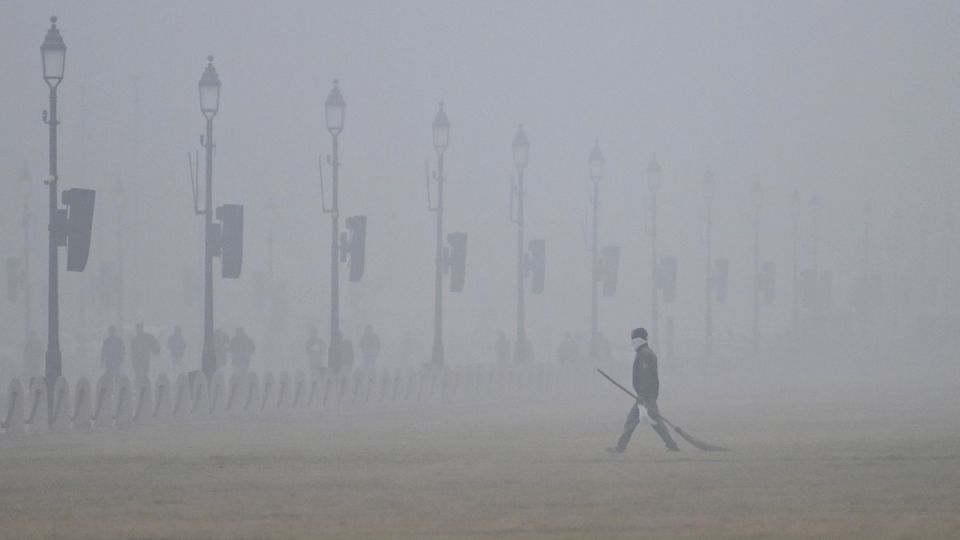
NEW DELHI – Air pollution is no longer just an environmental concern; it is steadily eroding India’s economic growth while triggering a sharp rise in serious health conditions such as stroke, cardiovascular disease, respiratory illness, and neurological disorders, experts opined.
These concerns took centre stage at the Illness to Wellness Conference on “Impact of Air Pollution on Health and Preventive Measures”, organised by the Illness to Wellness Foundation (ITWF) here on Thursday.
Experts warned that prolonged exposure to polluted air is reducing productive life years, increasing disability, and placing a growing strain on healthcare systems—ultimately weakening India’s long-term development potential.
Delivering the keynote address, Rajesh Bhushan, Former Secretary, Ministry of Health and Family Welfare, Government of India and Chairperson, Governing Council, the Illness to Wellness Foundation, stressed that air pollution must be addressed as a core public health issue.
“The issue of air pollution must be understood from two perspectives—the technical causes that create polluted air and the public health consequences of breathing it every day. Prolonged exposure does not just shorten life expectancy; it increases the number of years lived with disability. In highly polluted cities, people may survive longer but with chronic illnesses that reduce productivity, quality of life, and economic contribution. Addressing air pollution, therefore, requires coordinated action across healthcare systems, urban planning, and public awareness, with a much stronger focus on preventive and primary healthcare,” he said.
Highlighting the neurological impact, Dr Daljit Singh, Vice Chairman, HOD – Neurosurgery and Unit Head – Neuro Intervention, Max Smart Super Speciality Hospital, Saket, drew attention to the growing link between air pollution and stroke.
“Stroke is increasingly being linked to air pollution, with nearly 17 per cent of strokes globally attributable to polluted air. Pollution affects brain blood circulation and significantly increases the risk of both ischemic and hemorrhagic strokes,” Dr Singh said.
”We are now observing clear seasonal spikes in stroke admissions during high-pollution months, indicating that pollution is emerging as an independent risk factor. Beyond stroke, air pollution is also associated with neurological conditions such as Alzheimer’s disease, dementia, and Parkinson’s disease, making this a growing neurological challenge that society, scientists, and policymakers must urgently address,” he added.
Addressing the gathering, Anil Rajput, Chairperson, Advisory Council, Illness to Wellness Foundation, highlighted the enormous economic cost of air pollution and its direct implications for national growth.
“India has taken important and structured steps to address air pollution through initiatives such as the National Clean Air Programme (NCAP), launched in 2019. By covering 131 cities across 24 states, NCAP reflects a strategic, long-term approach to improving air quality. This is being complemented by measures such as the rollout of Bharat Stage emission norms, promotion of electric mobility, expansion of public transport, efforts to curb crop-residue burning, improved waste management, and increased urban green cover.
”These initiatives signal strong intent and direction. At the same time, the scale of the challenge calls for sustained implementation, coordination, and continued commitment across stakeholders,” said Rajput.