Stubborn inflation haunts Nepali consumers
Food and beverage inflation increased to 5.64 per cent while non-food and service inflation rose to 8.87 per cent in the first eight months of the current fiscal year.


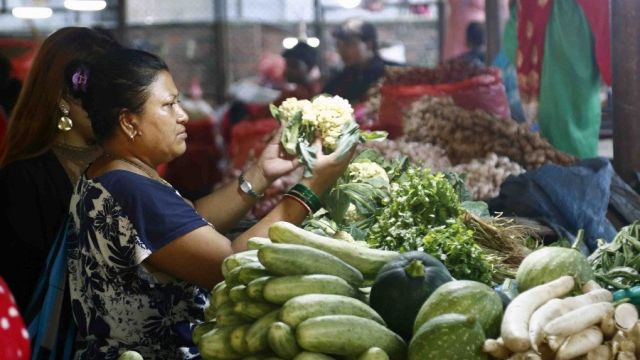
Food and beverage inflation increased to 5.64 per cent while non-food and service inflation rose to 8.87 per cent in the first eight months of the current fiscal year.
Economists blamed the import restrictions imposed by the government to save foreign exchange, as people made fewer purchases.
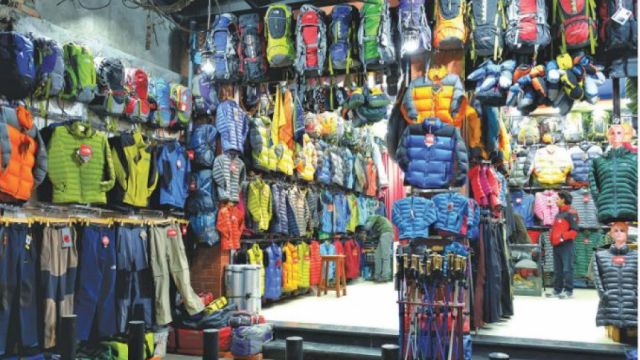
According to Nepal Rastra Bank, prices of clothes and footwear rose by 7.68 per cent in the first two months of the current fiscal year ended mid-September.
The rise of the digital economy has been one of the most significant fallouts of the Covid pandemic, which changed the way Nepalis make payments as they were forced to remain…
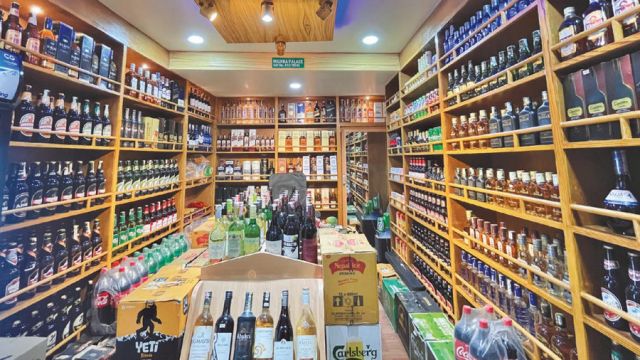
According to the Liquor Importers Association, Nepal imports alcoholic beverages worth $12 million annually.
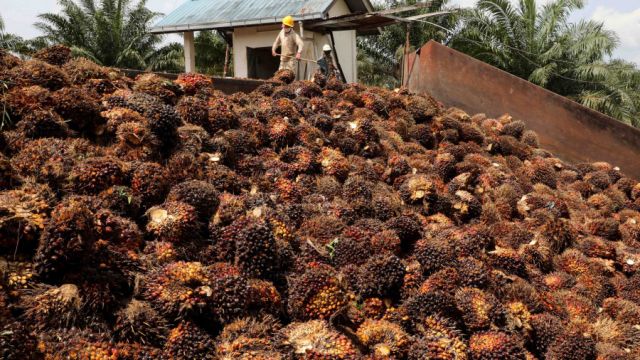
Imported palm oil is processed and promptly re-exported to India, with Nepali traders pocketing a handsome profit.
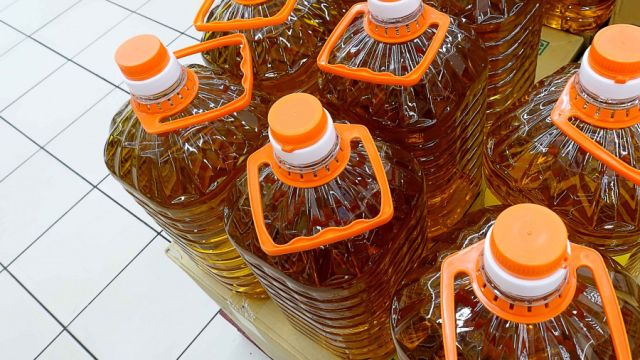
Less than 20 percent of the edible oil that Nepal imports is consumed in the country, with the remaining re-exported, almost all to India.

A World Bank report published in 2020 says that in Nepal, many businesses are registered in the name of women specifically to secure government subsidies given to them.
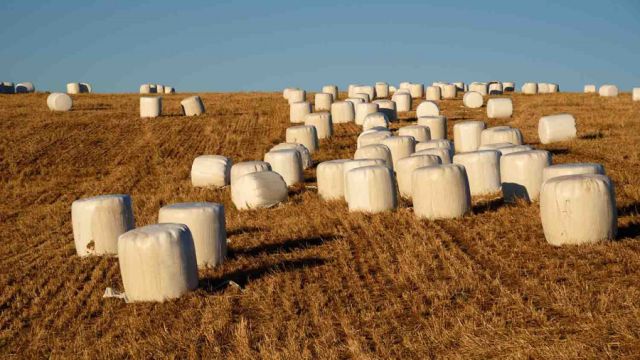
Haylage, or grass chopped and packed, is greatly sought after as animal fodder in the highlands on the other side of the Himalaya.
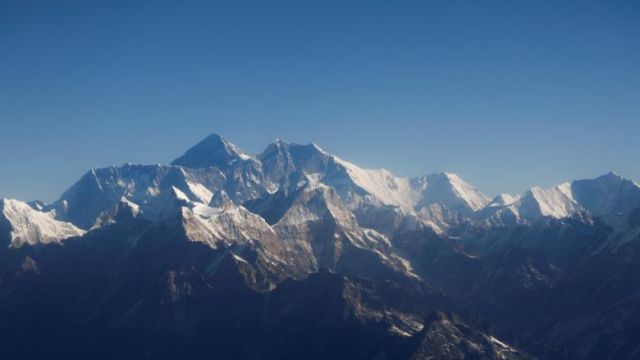
With 4G service enabled, locals in the remote mountainous region will also benefit, particularly in search and rescue efforts.