38 Nepali wildlife traffickers who fled prisons on September 9 yet to be recaptured
Most of the fugitives were serving sentences for rhino poaching and trafficking of pangolin scales and other protected species.


Most of the fugitives were serving sentences for rhino poaching and trafficking of pangolin scales and other protected species.

Conservationists warn the escape of convicted poachers, including long-time fugitive Bindar Singh Praja, poses grave threat to Nepal’s rhino population.
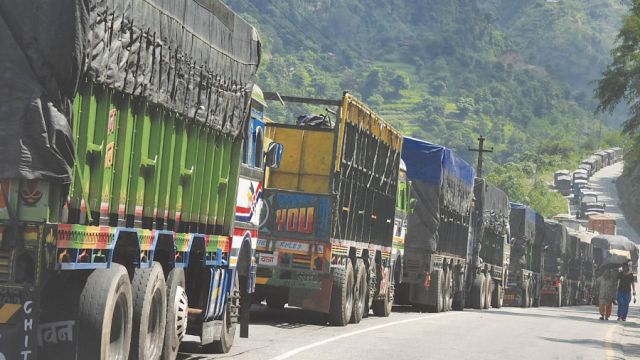
Landslides along Narayanghat–Muglin route choke Kathmandu’s lifeline, leaving goods and passengers stranded for days.
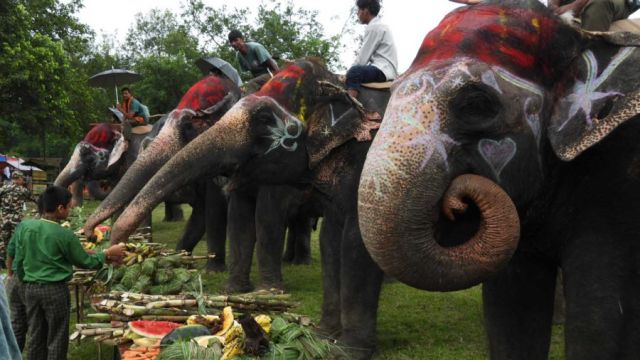
Changing tourist preferences and animal welfare concerns push Chitwan’s entrepreneurs to explore new elephant-friendly activities.
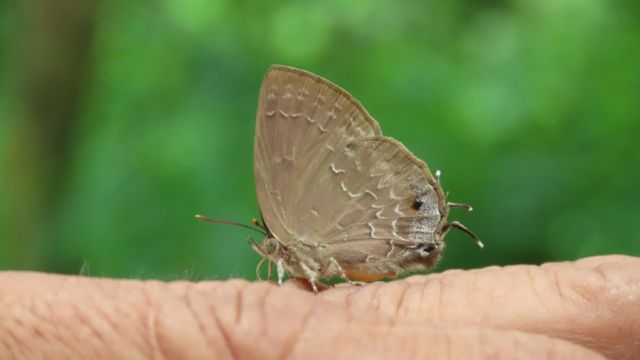
Rediscovery of the silver-streaked acacia blue excites conservationists, as experts plan further study.
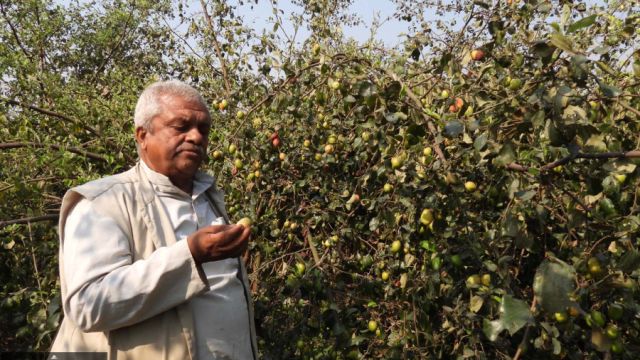
A 64-year-old Chandra Kant Sapkota becomes a jujube farming pioneer in Chitwan. He supplies around 20 quintals of the fruit daily to Kathmandu.

Rhinos can also often be seen grazing in grasslands or resting under the shade of sal trees.

Better habitat management, timely identification of problematic animals and increased community engagement are key for conflict control, experts say.
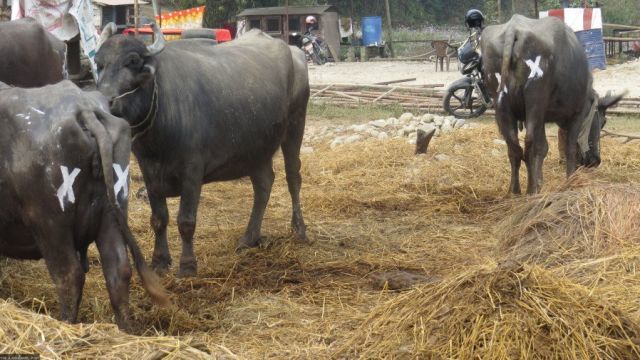
Inspired by findings in Botswana, conservationists are painting symbols on livestock in Chitwan National Park’s buffer zone to trick tigers and leopards.
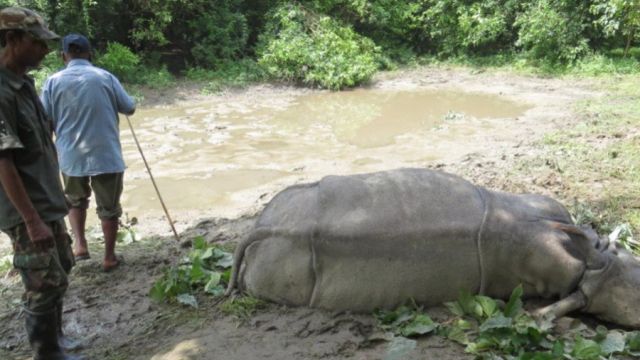
With horns and hooves of these rhinos intact, the recent deaths are likely due to natural causes or accidents.