

April 10, 2026
DHAKA – Malaysia has proposed an AI-driven recruitment system for all source countries to reduce intermediaries and lower migration costs. The system would ensure that employers bear the full cost of recruitment, in line with the International Labour Organization’s Employer Pays Principle.
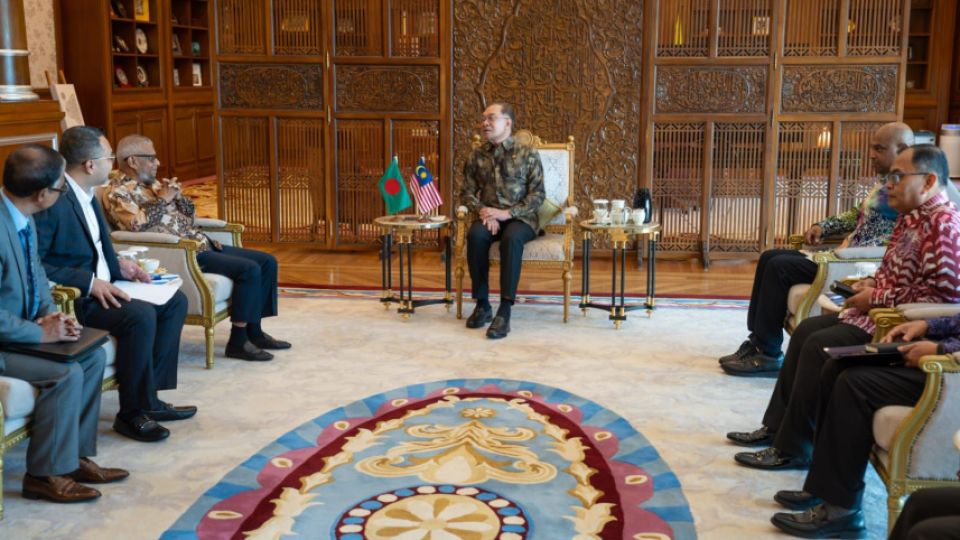
The initiative was discussed during a bilateral meeting on labour migration in Putrajaya. Bangladesh’s delegation was led by Minister Ariful Haque Choudhury, while the Malaysian side was headed by Human Resources Minister Dato’ Sri Ramanan Ramakrishnan. Prime Minister’s Adviser Mahdi Amin was also present.
Malaysia had frozen recruitment of foreign workers, including from Bangladesh, on May 31, 2024, citing excessive supply and high costs. The previous interim government had attempted to resume recruitment, but progress stalled. With the new BNP government in office, steps are now being taken to restart fresh recruitment.
Bangladesh expressed full support for the AI-based system and pledged to collaborate in implementing it as a global initiative for all sending countries. Both sides agreed to expedite reopening Malaysia’s labour market for Bangladeshi workers, ensuring a fair, ethical, and transparent process. Measures will also address stranded workers, reduce intermediaries, and improve recruitment efficiency.
The delegations exchanged views on challenges faced by irregular workers and on enhancing cooperation in skills development, training, certification, and labour market alignment. They also discussed ongoing legal cases related to human trafficking, with Malaysia urging protection of its international reputation and Bangladesh reaffirming commitment to due process and justice.
The meeting concluded with both sides agreeing to maintain regular consultations.