

March 10, 2026
DHAKA – Women rights activists today expressed concern over the decline in female participation in the 13th parliamentary election held on February 12, saying political parties nominated very few women and only a small proportion won through direct contests.
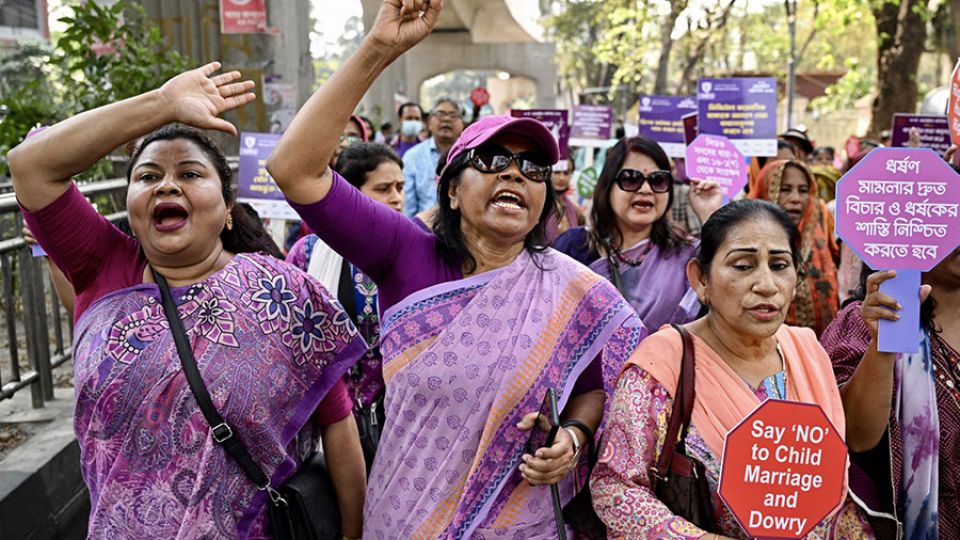
They raised the concern at a programme organised by the International Women’s Day Committee at Manik Mia Avenue in Dhaka.
The programme, titled “The 13th National Parliament Election: Women’s Representation in Parliament — Reality and Expectations,” highlighted what organisers described as a worrying drop in both nominations and victories for female candidates.
Tamanna Khan Popi, coordinator of the event and a member of Naripokkho, said women’s participation in direct parliamentary seats had generally increased over the years with a few exceptions.
“However, the last election saw a notable drop in both nominations and victories for women,” she said.
Imamul Hasan, a member of Shakti Foundation, said men must recognise that women deserve equal rights.
“I want all men to understand that women deserve their rights. They are still protesting because they are deprived in many ways. If they were treated equally, they would not have to protest,” he said.
According to data presented at the programme, Bangladesh has held 13 parliamentary elections since independence in 1973. Women have entered parliament either through reserved seats nominated by political parties or through direct election from general constituencies.
In earlier elections, the number of women elected directly to parliament had gradually increased. However, in the most recent polls, women received only a small share of nominations from political parties and just over eight percent of them secured victory, organisers said.
Lila Arifa Khanom, a member of Breaking the Silence, said the election had raised hopes for restoring democratic practices and expanding women’s political participation.
“The Women’s Reform Commission recommended that political parties allocate at least 50 percent of nominations to women, while the women’s movement demanded a minimum of 33 percent,” she said.
“In reality, women received an average of only 3.98 percent of nominations.”
She also mentioned that Jamaat-e-Islami did not nominate any female candidates in the election.
Women’s rights groups have long demanded that reserved seats in parliament be filled through direct elections rather than nominations by political parties. However, that proposal was not implemented in the latest polls.
Organisers said women make up nearly half of Bangladesh’s population and their representation in parliament should reflect that demographic reality.
They also called for stronger and more meaningful participation of female lawmakers in parliamentary activities and leadership roles, including standing committees.
Among other demands, they called for capacity-building initiatives for female parliamentarians, political training for women within political parties, and stronger action against violence targeting women, including cyberbullying and digital harassment.
The organisations behind the programme included Women with Disabilities Development Foundation (WDDF), Karmojibi Nari, Shakti Foundation, ActionAid Bangladesh, Brotee, Breaking the Silence, Gonoshasthaya Kendra, BRAC, Care Bangladesh, Save the Children, BLAST, Disable Child Foundation, Naripokkho and several others.