

January 8, 2026
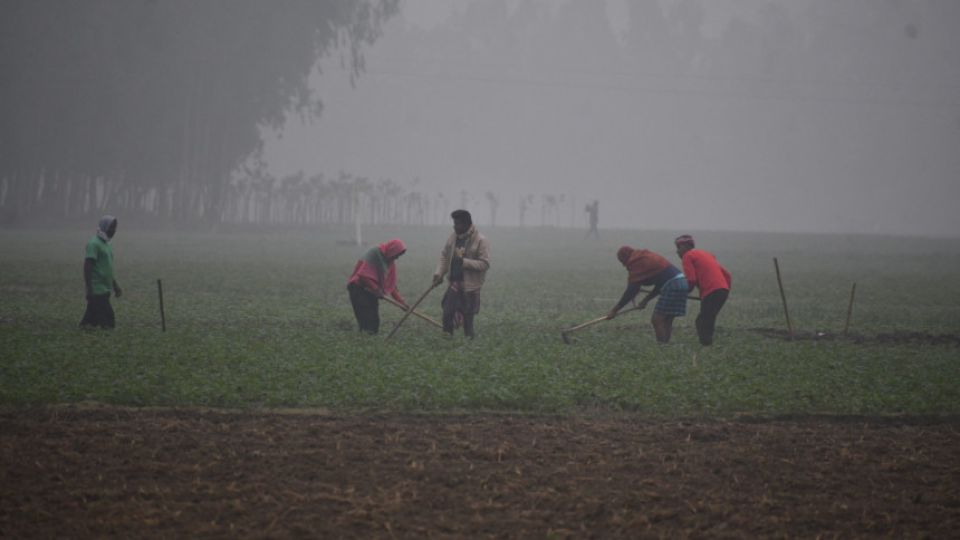
DHAKA – A cold wave sweeping through several districts and divisions across Bangladesh has put standing crops, horticulture, and livestock at significant risk, prompting authorities to issue urgent advisories for farmers in the worst-affected areas.
The Bangladesh Meteorological Department said the cold spell is moving over Tangail, Faridpur, Madaripur, Gopalganj, Kishoreganj, Manikganj, Narsingdi, Narayanganj, Netrokona, Moulvibazar, Laxmipur and Cumilla, as well as across the Rajshahi, Rangpur, Khulna and Barishal divisions, and may persist in the coming days.
In response, the Bangladesh Agro-Meteorological Information Service issued urgent advisories to minimise damage to crops and farm assets during excessive cold and fog.
Farmers have been urged to provide light but regular irrigation to fruit trees, cover young plants with straw or polythene to block cold winds, and protect livestock and poultry sheds with burlap or black cloth while keeping high-voltage bulbs lit to maintain warmth.
They have also been advised to take extra care of boro rice seedbeds during the cold spell. Nurseries should be covered with transparent polythene from 3pm to 10am, ensuring it does not touch the seedlings.
Dew should be removed every morning, and 3–5 centimetres of water kept in the seedbed at night and refreshed during the day.
Cold conditions can cause seedling burn. At an early stage, seedlings and soil should be sprayed with approved fungicides such as Emister Top or Septima.
Onion and garlic crops may face purple blotch and tip burn in foggy weather. Preventive sprays of Ridomil Gold or Mancozeb are advised.
Pulses, mustard and potato fields should also be monitored closely and treated with recommended fungicides at regular intervals to prevent disease outbreaks