

November 4, 2025
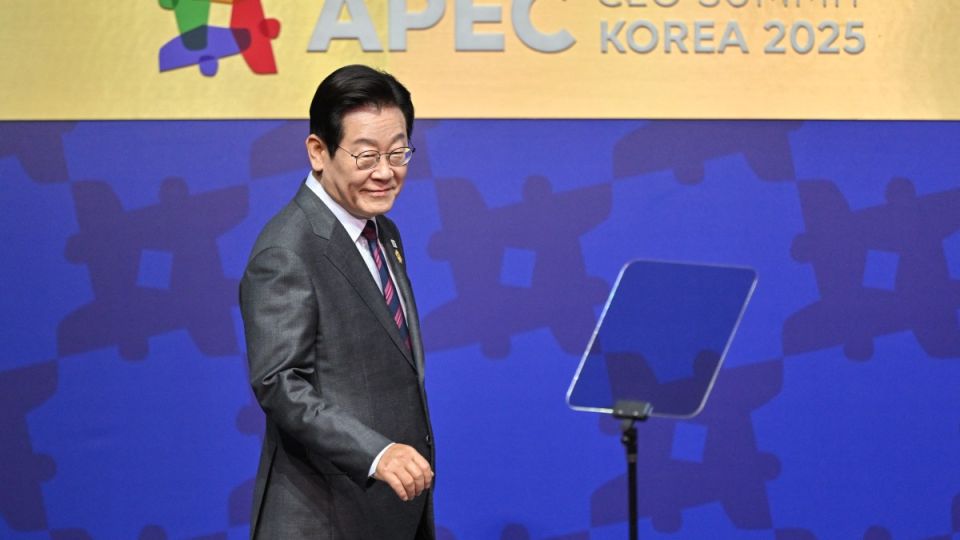
SEOUL – After a dramatic week of diplomacy at the Asia-Pacific Economic Cooperation summit in Gyeongju, North Gyeongsang Province, President Lee Jae Myung is turning his attention to the domestic agenda as he presents his expansionary fiscal policy as necessary to weather economic headwinds.
Lee will deliver an address Tuesday on the government’s budget proposal for next year, and outline his administration’s policy priorities, according to the presidential office Monday,
Rival parties are expected to clash over the administration’s expansionary fiscal policy and the long-fraught trade negotiations with the US. Lee’s office, however, did not elaborate on the exact time and location of his budget speech.
Lee’s administration proposed in August a 728 trillion-won ($508.9 billion) budget for 2026, up 8.1 percent from this year, with a focus on boosting the country’s artificial intelligence technology and the research capabilities to deal with economic headwinds such as US tariff pressures, a population crisis and subdued corporate investment.
Lee’s budget speech will be his second. The first, delivered at the National Assembly over a 30.5 trillion won supplementary budget to head off an economic downturn, came less than a month after his inauguration on June 4.
Before Lee came to power, then-Prime Minister Han Duck-soo delivered the last budget speech to the parliament in November 2024, making Yoon Suk Yeol the first sitting president to have been absent from the address. The Lee-led Democratic Party cut the budget by 4 trillion won at the Assembly, though the speaker suspended a vote on the bill past the legal deadline of Dec. 2.
Yoon imposed martial law on Dec. 3, sending troops into the Assembly in the process, which led to his removal from his post by the Constitutional Court in April.
People Power Party Floor Leader Rep. Song Eon-seog on Monday urged Lee in the same session to disclose details about the US tariff deal. He said it was necessary to alleviate public concerns due to discrepancies in announcements by Seoul and Washington after the summit between Lee and US President Donald Trump last week in Gyeongju, North Gyeongsang Province.
Song also said that Seoul’s trade deal with Washington required Assembly approval. Earlier in August, Song argued that Lee’s 2026 budget proposal and its expansionary fiscal policy would leave the country saddled with debt.
Lee’s speech comes as his approval rating rose slightly after his hosting of the APEC conferences ― ranging from multilateral meetings of 21 member economies to one-on-ones with 11 world leaders including Trump and Chinese President Xi Jinping.
According to a poll by Realmeter released Monday, Lee’s approval rating on the fifth week of October came to 53 percent, up 1.8 percentage points from the previous week. Those who disapproved of Lee’s performance fell 1.6 percentage points to 43.3 percent. Realmeter attributed the rebound in the rating to the success in the APEC events and improved economic readings.
“The president’s achievements in ‘pragmatic diplomacy’ by hosting the APEC 2025 events and reaching a trade deal with the US through Korea-US summit, the Kospi surpassing 4,000 points, and the improving third-quarter economic growth rate by 1.2 percent have all driven the upward trend in (Lee’s) approval rating,” read Realmeter’s release.
Lee’s popularity ratings had slipped in the previous two weeks from 53.5 percent to 51.2 percent, according to Realmeter.