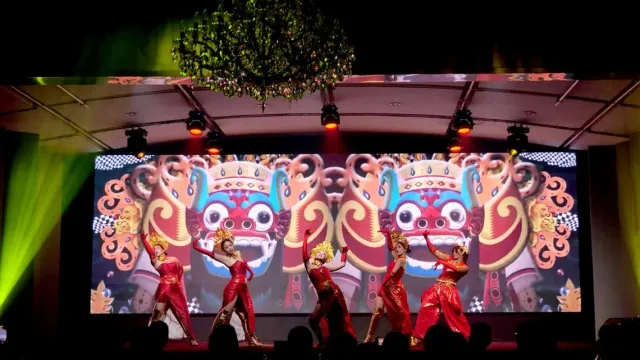
Pride in Indonesia is longer than a coming-out story
Three queer Indonesians, three different relationships with the closet and one thing they all share: a conversation that never ends.


Three queer Indonesians, three different relationships with the closet and one thing they all share: a conversation that never ends.
This marks a shift away from a decades-long tilt towards the West.

Kento Suzuki was in the sixth grade of elementary school when he died in the tsunami, while his sister, Hana, who was in fourth grade, was swept away and remains missing.

Natural monument designation grants the fossils legal protection as nationally significant natural heritage, restricting damage or alteration while supporting its preservation and…
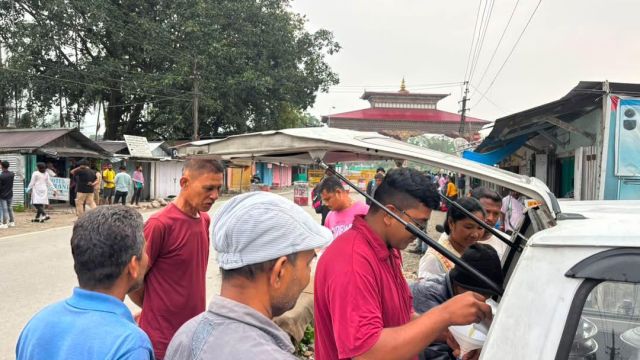
For many residents of Dadgari, a small town in India bordering Bhutan, the milk van has become part of their morning ritual.
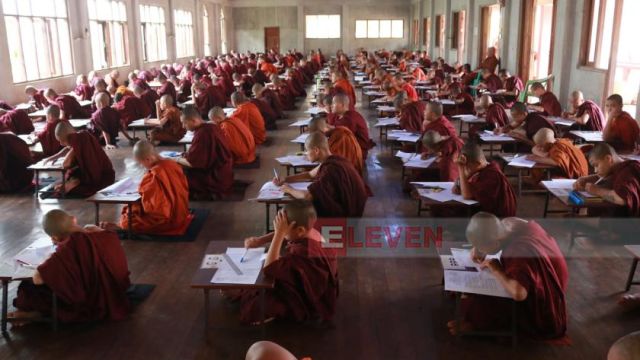
The festival was held annually from its original inception in 1932 to 2019. It was not held for more than 6 years due to the Covid-19 pandemic in 2020, record-breaking floods in…
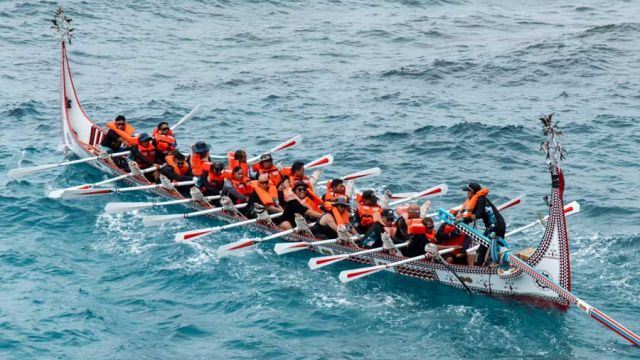
A traditional Tao boat sailed from Taiwan’s Orchid Island to Batanes, reviving a 300-year-old sea route between Tao and Ivatan communities.
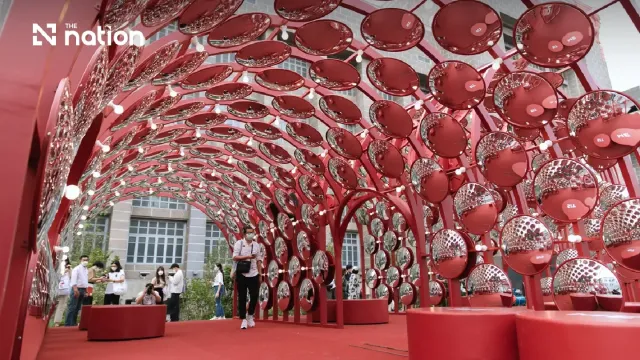
Bangkok’s creative economy is thriving through adaptive reuse, design festivals, street culture, and intellectual property, positioning Thailand as a regional hub for Asia’s…
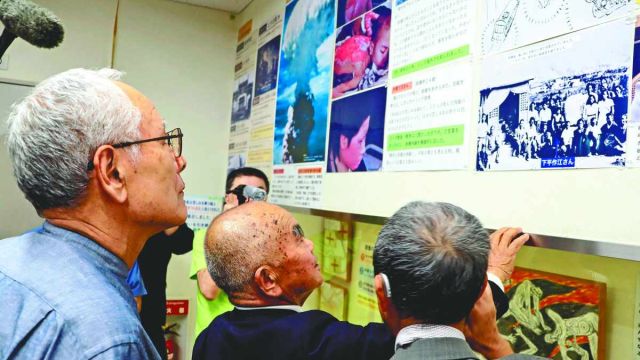
The council was founded on June 23, 1956. Since then, the council has worked to improve support for "hibakusha" (survivors) and held campaigns for the elimination of nuclear…
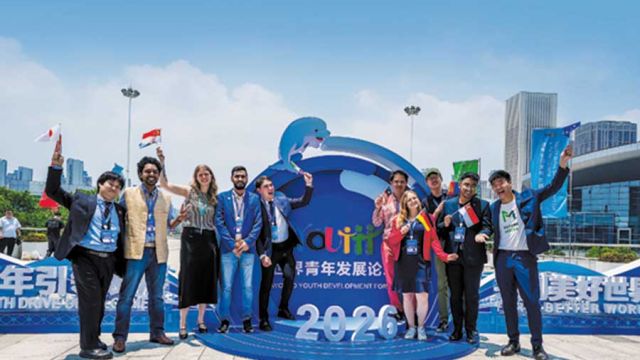
From Dunhuang murals to Wudang martial arts, young people are giving ancient traditions new meaning across borders at the World Youth Development Forum.