

June 16, 2026
PHNOM PENH – Nearly six months after the December 27 ceasefire brought an end to armed clashes along the Cambodia–Thailand border, almost 30,000 Cambodians are still unable to return home, underscoring the long-lasting human impact of a conflict that officially fell silent months ago.
According to the Ministry of Interior, 28,460 civilians remain displaced as of June 15, including 14,613 women and 9,592 children.
While nearly 615,000 people – about 95 per cent of the more than 640,000 civilians displaced during the border tensions and military incursions that erupted in late 2025 – have returned to their communities, thousands are still living far from their homes.
The figures reveal a stark reality behind the ceasefire. For many families, the end of hostilities has not yet meant a return to normal life.
“Many displaced residents continue to live in temporary shelters after being forced to leave villages near the border during months of fighting and insecurity,” said a ministry statement.
“Others remain separated from farmland, businesses and schools that once formed the foundation of their daily lives,” it added.
In its latest update, the ministry warned that public services in several border provinces continue to be affected.
Eight schools and five hospitals or health centres in Oddar Meanchey province remain closed, while five schools and one health facility in Banteay Meanchey province have yet to reopen.
In Preah Vihear province, seven schools and two hospitals or health centres also remain closed.
The continued disruption highlights the challenges facing communities still struggling to recover from the conflict despite the cessation of active hostilities.
The government has sought to provide temporary accommodation and support for those unable to return home.
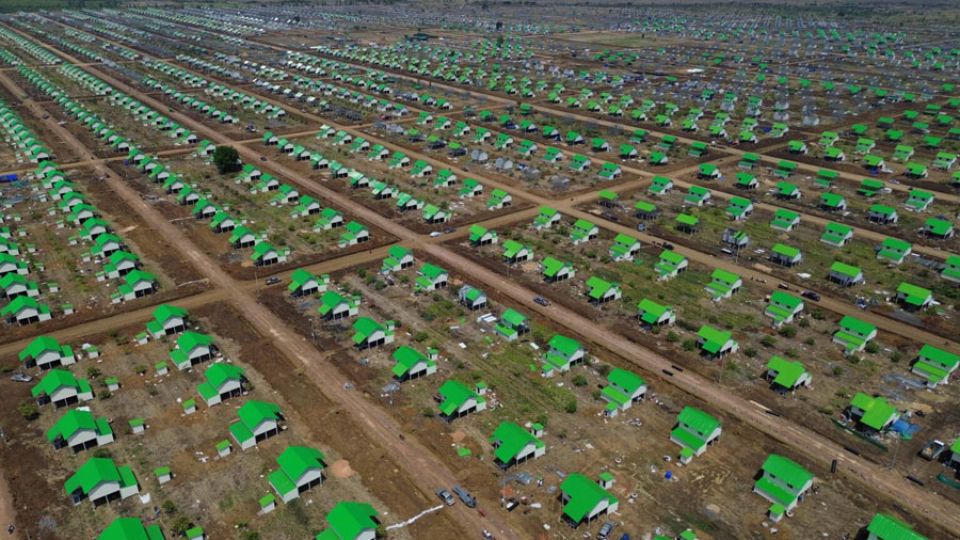
Senate president and acting head of state Hun Sen recently described the relocation sites established for displaced residents as “Waiting Villages”, emphasising that they are intended to be temporary rather than permanent settlements.
Hun Sen said the villages were created to provide safety and stability for affected families while they wait for conditions that would allow them to return to their original communities.
The term reflects the uncertain situation facing thousands of residents who have spent months living away from their homes.
Although the shelters provide temporary refuge, many families continue to hope they will eventually be able to return to their villages and resume normal livelihoods.
The ministry said Cambodia remains committed to pursuing a peaceful resolution to the border dispute through diplomatic and legal means.
It also expressed support for Prime Minister Hun Manet’s decision to initiate the compulsory conciliation process under the UN Convention on the Law of the Sea (UNCLOS), describing it as a lawful and peaceful mechanism for resolving outstanding disputes.
In the statement, the ministry reiterated that Cambodia continues to document developments along the border while seeking solutions grounded in international law.
For the thousands of displaced families still living in temporary accommodation, however, the most immediate concern is not diplomacy but the prospect of returning home.
While more than nine out of every ten displaced people have already returned to their communities, the remaining 28,460 represent some of the most difficult cases.
Their return depends on security conditions, the restoration of services and progress toward resolving issues that continue to affect border communities.