

November 21, 2025
SEOUL – For Korean food and beauty firms, this year is as much about chasing global growth as it is about managing the dual headwinds of a weak won and newly imposed US tariffs — a combination that is beginning to reshape cost structures, squeeze margins and test long-term strategy across two of Korea’s most export-driven sectors.
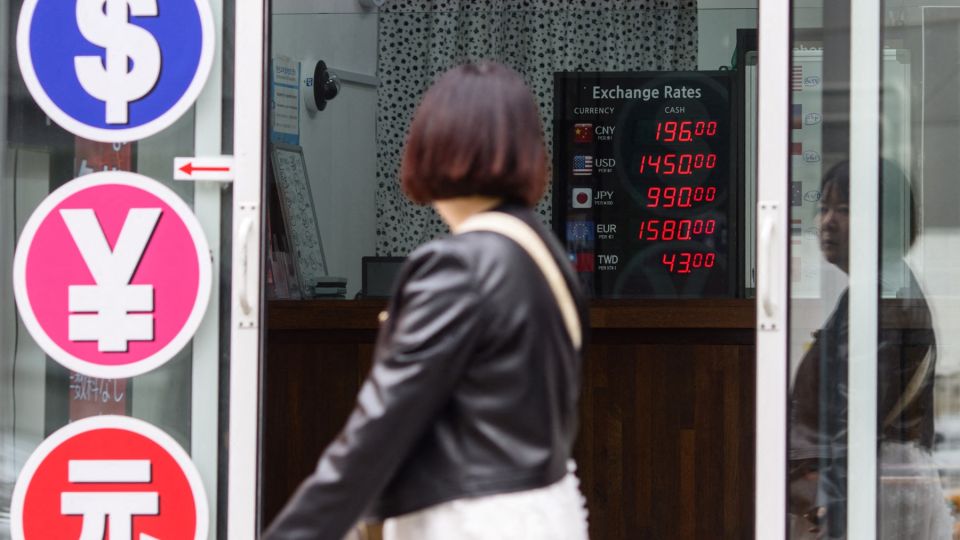
The won-dollar exchange rate rose above 1,460 won per dollar as of Thursday. After dipping into the 1,350 range in late June from a peak of 1,486 in April, the won has since taken another rough bounce, marking the first time it has approached such levels since the global financial crisis in March 2009.
Korean food producers are bearing the brunt of these rising costs, as imported ingredients like palm oil, wheat and other agricultural commodities make up more than 50 percent of their production inputs.
“If the won slips past 1,500, surging input costs will trigger an immediate margin squeeze,” said one industry official. “Exchange rate volatility is a bigger concern than tariffs at the moment.”
While a weaker currency can boost price competitiveness for export-heavy firms, that advantage is often undercut by costly imported inputs when the bulk of production remains in Korea.
“The weaker won is a mixed bag,” a Samyang Foods official said. The company, which earns around 80 percent of its revenue from overseas markets, currently manufactures all of its products in Korea. “It helps with price competitiveness abroad, but higher costs for imported ingredients can eat into margins.”
The same dynamic applies to cosmetics manufacturers. Both major beauty houses and ODM firms rely on imported raw materials — plant extracts, active ingredients, packaging materials and specialized chemicals — which account for over 40 percent of their cost base.
A sustained weak won is forcing companies to choose between absorbing higher costs or passing them on to consumers, according to an industry insider in the beauty sector. “Neither option is ideal,” the official said.
Another pain point is the 15 percent US tariff. While Samyang Foods recently raised its US prices by 9 percent to offset the duty, such moves may be out of reach for many other exporters.
Lotte’s confectionery arm, Lotte Wellfood, is holding the line on prices. “It’s tough to raise prices in a market as competitive as the US,” a company official said. “We’re continuing to invest in US marketing, but at the same time, shifting our focus to high-growth markets like India and Kazakhstan.”
Beauty companies with US operations are starting to feel the impact of tariffs, though not yet in full force. For instance, APR, which derives 39 percent of its revenue from the US, said during its third-quarter earnings call that tariffs had shaved off about 1 percent of total revenue, or up to 4 billion won ($2.7 million).
Some expect the full impact to surface in the results of the fourth quarter, once pretariff inventory shipped earlier this year runs thin.
“Many companies delayed the impact of tariffs by stockpiling inventory ahead of implementation, but that inventory was being depleted by the second quarter,” said Park Jong-dae, an analyst at Meritz Securities. “While the extent of the impact varies depending on business models, local operations and vendor networks, pressure is expected to mount in the fourth quarter.”