

June 18, 2026
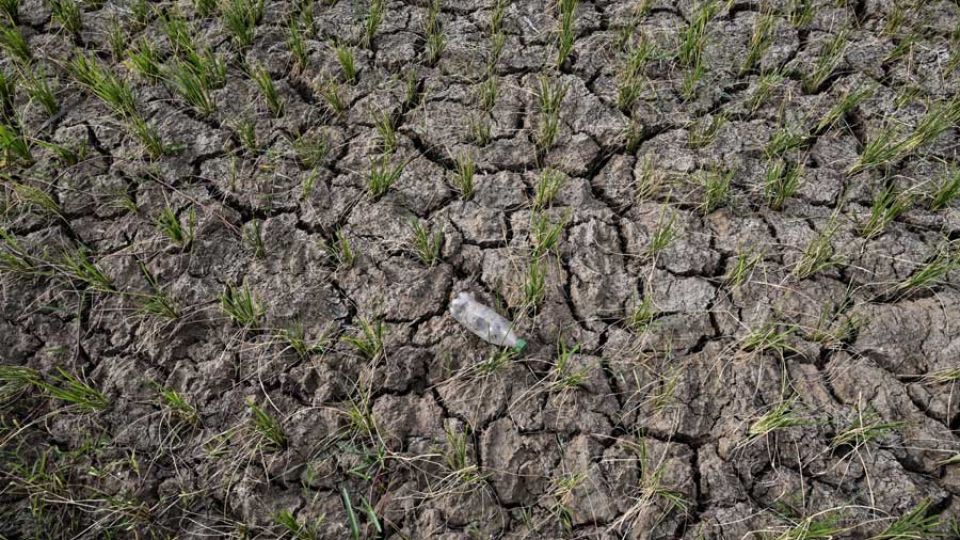
JAKARTA – Drought has begun affecting several regions across Java as the Meteorology, Climatology and Geophysics Agency (BMKG) warns that the country’s dry season is expected to peak in August and may last longer than usual.
The National Disaster Mitigation Agency (BNPB) reported earlier this week that prolonged dry conditions have already caused clean water shortages across parts of Java, despite flooding that continues to affect several regions nationwide.
A month without rainfall has impacted residents in Bekasi regency, West Java, with the worst conditions reported in Ridogalih village, Cibarusah district, where 296 households, or around 800 people, are struggling to access clean water.
The Bekasi Disaster Mitigation Agency (BPBD) has sought to ease the situation by distributing water to affected residents.
“The local BPBD will continue distributing clean water to reach all communities in need [in Bekasi],” BNPB said in a social media post on Monday.
Similar conditions have been reported in Bogor regency, West Java, where over 400 people from 137 families in Babakan Madang district have been facing clean water shortages, as reported by Tribunnews.com.
Meanwhile, in Central Java, drought has hit three villages in Kemalang district, Klaten regency, leaving around 393 households, some 1,445 people, without adequate clean water supplies, according to BNPB.
The drought cases align with BMKG forecasts issued last week that parts of Indonesia would begin entering the dry season this month, with heightened risks of drought, as well as forest and land fires.
The agency also forecasts that Indonesia’s dry conditions will intensify between July and September, with the largest number of climate zones expected to reach peak dryness in August.
BMKG head Teuku Faisal Fathani said August would mark the peak of the dry season in 369 seasonal zones, including much of Java, Bali, large parts of Kalimantan, sections of Sumatra, Sulawesi, Maluku and Papua, covering nearly half of the country’s land area.
BMKG climatology deputy head Ardhasena Sopaheluwakan also warned that this year’s dry season could be drier and longer than average due to the influence of El Niño, a climate phenomenon marked by unusually warm sea surface temperatures in the central and eastern Pacific Ocean.
“We predict that El Niño will persist until early 2027,” Ardhasena said in a statement on June 10. “Its impact on Indonesia could be significant throughout the dry season and continue until mid-October.”
To prepare for worsening drought conditions ahead of the seasonal peak, the BMKG has called on water resource agencies across the country to revitalize reservoirs and improve distribution networks to ensure adequate clean water supplies for the public.
Amid these growing drought cases, House of Representatives Speaker Puan Maharani of the Indonesian Democratic Party of Struggle (PDI-P) urged the government to prepare emergency measures while stressing the need for long-term infrastructure development.
“In drought-prone areas, mitigation measures are needed across the entire water management chain from upstream to downstream, including rainwater harvesting and the construction of infiltration wells,” Puan said in Jakarta on Monday, as quoted by Antara.
The concern echoes a report released by the United Nations Children’s Fund (UNICEF) on Tuesday, which found nearly all children worldwide are exposed to at least one climate hazard, including drought and extreme heat.
Indonesia, with a score of 7.5 out of 10, ranked among the countries with the highest numbers of children exposed to drought, driven by its vulnerability to heat stress near the equator and its reliance on agriculture for food security.