

February 4, 2026
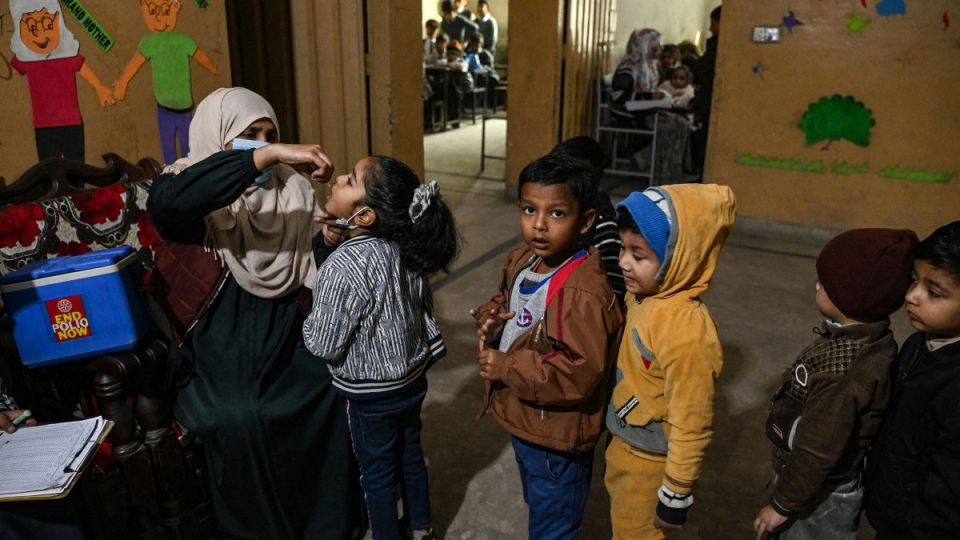
ISLAMABAD – To defeat the virus, first off vaccination quality must trump vaccination optics.
Micro-planning needs to be airtight so that no child is repeatedly missed in urban slums, conflict-affected areas or among migrant populations.
Independent monitoring should be strengthened and data made transparent down to union council level.
Where refusals persist, engagement must be local and sustained, involving community elders, religious scholars and women health workers who command trust.
Heavy-handed tactics may win a day’s numbers but they lose a community’s confidence.
Second, sanitation and routine immunisation cannot remain afterthoughts.
Poliovirus spreads through poor hygiene and contaminated water.
Investment in clean water schemes, sewage systems and broader child immunisation coverage must run parallel to emergency campaigns.
Without this, each drive becomes a fire-fighting exercise rather than a long-term solution.
Third, and critically, the state must boost security for vaccinators.
The deployment of thousands of police officers is necessary, but protection must be smarter and more consistent.
Threat assessments should guide route planning; high-risk areas require intelligence-led coordination, not merely static escorts.
Attacks on health workers must be investigated swiftly and prosecuted.
Those risking their lives to protect children deserve a state that shields them.
Polio eradication is not a technical impossibility.
It is a test of governance.
If 2026 is to mark the beginning of the end, Pakistan must match its campaign scale with political will, community trust and unwavering security.
Only then can the virus be driven into history.