

December 1, 2025
SEOUL – Korea’s traditional manufacturing giants are reinventing themselves online, rolling out memes, characters and humorous videos to win over millennials and Generation Z — a demographic increasingly shaped by workplace culture, relatability and digital storytelling rather than by legacy brand power.
Once defined by rigid hierarchies and a smokestack-era image, the country’s manufacturing sector is now fighting a perception gap as it competes with IT firms and startups for young talent. Companies from shipbuilders to steelmakers are embracing social media in an effort to shed their old reputations and signal cultural change.
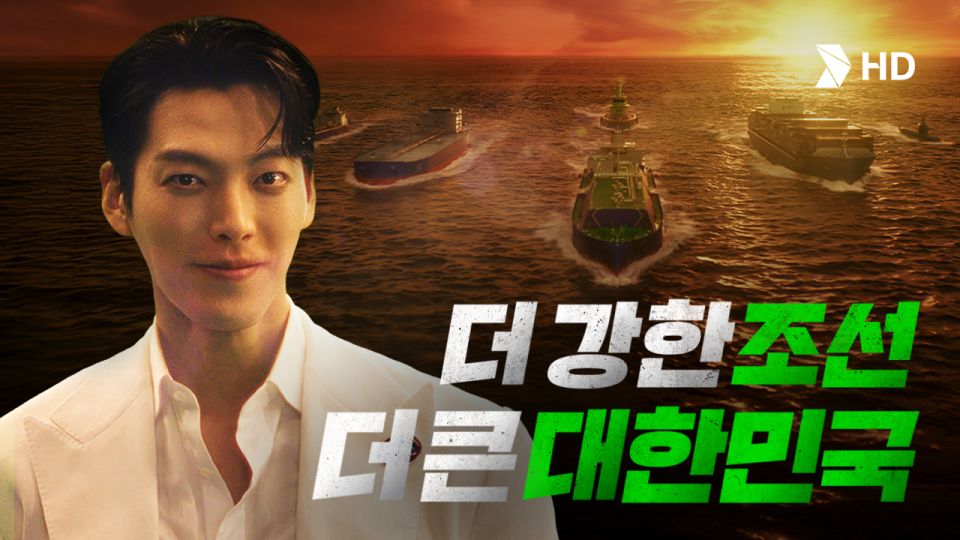
HD Hyundai sparked one of the year’s most notable industrial-sector viral hits: a three-minute YouTube commercial starring actor Kim Woo-bin that blends action movie tropes with comedic sketches. The video, released a month ago, has already drawn 18.35 million views.
The shipbuilder said the campaign was designed to “break away from the traditional heavy industry image” while highlighting its advanced lineup, from ultra-large ammonia carriers to dual-fuel container ships and submarines.

Posco’s character Poseokho. PHOTO: POSCO/THE KOREA HERALD
Posco is leaning into character-based marketing, turning its bear mascot, Poseokho, into a YouTube personality. On Posco Studio — a channel with 335,000 subscribers — the bear is depicted as a quirky employee cooking meals, traveling and exploring steel mills.
The steelmaker also produces web dramas, comedian-led facility tours and tech-focused explainers, a mix that aims to blend Posco’s industrial identity with a more approachable, lifestyle-oriented tone.
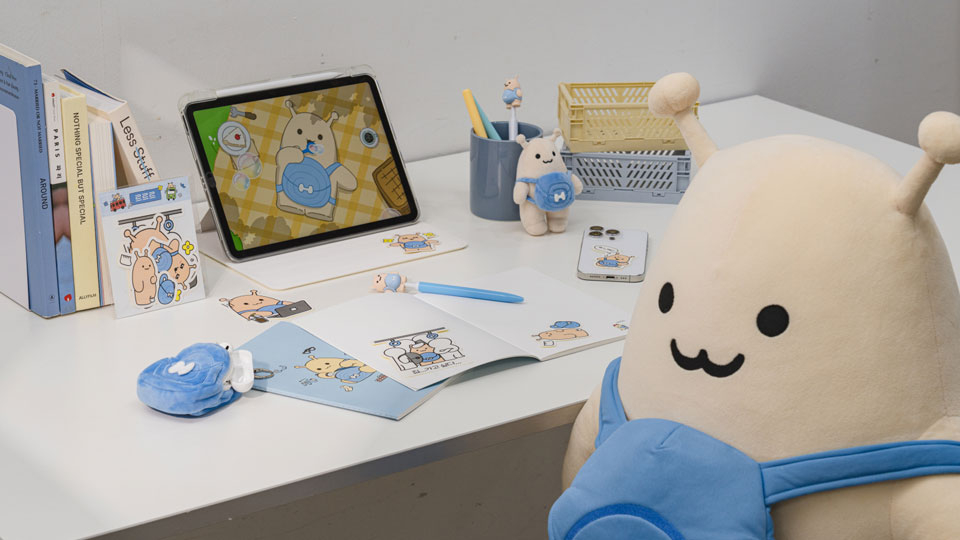
Hyundai Motor’s office worker character LLL. PHOTO: HYUNDAI MOTOR CO/THE KOREA HERALD
Hyundai Motor is cultivating its own social media fandom with LLL — a slug character portrayed as an office worker commuting by subway. The Instagram account has amassed 181,000 followers with posts depicting the frustrations and humor of everyday work life. The company is now crowdfunding merchandise based on the character.
Hyundai created LLL to narrow a widening perception gap: while older generations associate the brand with national pride, many Koreans in their 20s and 30s view the automaker as overly traditional and hierarchical.
“Whether they sell directly to consumers or operate B2B, manufacturers need broader appeal,” said Seo Yong-koo, a professor at Sookmyung Women’s University. “Consumer sentiment spills over into business performance — even for industrial companies — and can shape public support for government-backed projects.”
Industry officials say the shift is also driven by a talent crunch, particularly in AI and IT divisions that are now essential to global competitiveness. Despite efforts to modernize — relaxing dress codes, flattening job titles — many manufacturing firms still struggle with an entrenched top-down image.
“Tech workers worry they’ll be overshadowed in companies dominated by manufacturing culture,” said an industry source. “That pushes young talent toward IT firms instead.”
HD Hyundai is extending its online strategy to its hiring campaigns. Its recruitment videos — featuring rugby players portrayed as drops of for HD Hyundai Oilbank and excavators reimagined as cows for HD Hyundai XiteSolution — highlight employee benefits and work environments. The 2024 and 2025 videos have surpassed 1.55 million and 1.36 million views, respectively.
Despite manufacturing’s reputation and the distance of many factories from the capital area, job stability is becoming more appealing to younger Koreans, experts say. But companies must still overcome lingering stereotypes.
“The job stability offered by traditional industries is increasingly valued today, but these companies still face challenges in appealing to younger generations due to factors such as their outdated image and operations located far from Seoul,” Seo said. “These firms know they need cultural change as much as technological innovation. The rebranding push is part of that transformation.”