

April 7, 2026
SEOUL – South Korea’s widespread use of antibiotics in humans, livestock and fisheries is raising concerns over antimicrobial resistance, according to a first-of-its-kind government study.
The report, the result of a pangovernmental effort involving multiple agencies, including the Korea Disease Control and Prevention Agency, found that 1,646 metric tons of antibiotics were used nationwide in 2023.
Of the total, 46.1 percent was used in livestock and 12.7 percent in fisheries, while human use accounted for 39.5 percent, indicating that exposure to resistant bacteria may occur not only through medical treatment but also through food.
Human antibiotic consumption in South Korea reached 31.8 defined daily doses per 1,000 people per day, about 1.6 times the average among members of the Organization for Economic Cooperation and Development. The figure ranks second among 32 countries after Turkey and has been on the rise since at least 2021.
Antibiotic sales for livestock also remain high, exceeding 200 milligrams per population correction unit, which is nearly three times the average of 88.5 milligrams recorded across 17 European countries in 2023. While food authorities manage residue levels in animal products, the scale of use continues to draw concern.
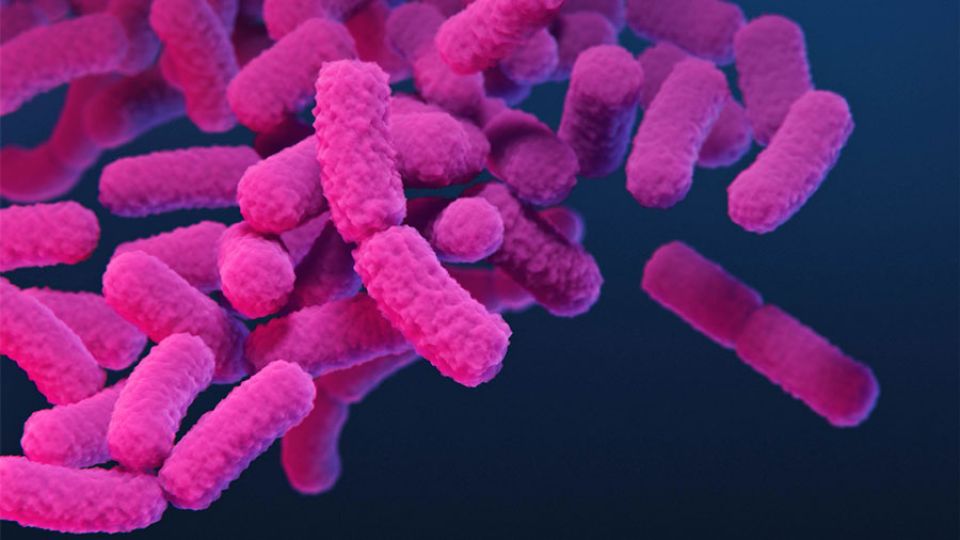
The high level of antibiotic use has coincided with rising resistance rates. Cases of carbapenem-resistant Enterobacterales, which include bacteria such as Escherichia coli and Klebsiella pneumoniae, increased fivefold in 2023 compared with 2019. In addition, three out of six legally designated antimicrobial-resistant pathogen groups recorded resistance rates exceeding 30 percent.
In livestock, resistance rates of E. coli to commonly used antibiotics in pigs and chickens were also found to be high, hovering around 70 percent.
Based on the findings, the government plans to strengthen cross-sector measures to curb antibiotic use and resistance across humans, animals and the environment.
“Through the comprehensive plan jointly prepared by seven ministries, we will focus policy efforts on creating an environment where humans and animals can coexist in good health,” a government official said.
“With interministerial cooperation and public participation, we aim to gradually reduce antibiotic use and resistance rates to better protect public health.”