

March 2, 2026
SEOUL – When hiking in Seoul, you might be surprised to encounter dogs on the trail — animals once kept as pets that have become fully feral after years of surviving in the mountains.
Reports of these “wild dogs” near major trails and foothill neighborhoods have risen, prompting concern among residents and city officials.
According to the Seoul Metropolitan Government, more than 880 wild dogs were captured between 2022 and last year, yet about 195 are still believed to roam mountain areas including Bukhansan, Gwanaksan and Inwangsan. Authorities receive around 400 complaints a year.
How they became wild
Experts and city officials trace the origins of Seoul’s wild dog population to several overlapping factors.
One major driver was a wave of redevelopment more than a decade ago.
During the relocation of residents, some pet dogs were left behind, eventually wandering into nearby mountains for survival. Over time, additional pets have been abandoned on hiking trails or lost during outdoor activities, reinforcing the wild population.
Animal welfare specialists say the pattern is common in Korea. Wild dog populations often form in places where people once lived, such as old factory zones, redevelopment districts or rural edges, and where abandoned or lost pets accumulate.
Over time, second- and third-generation offspring grow up without exposure to humans and become fully feral.
In some districts, dogs once bred for meat at restaurants that later closed were reportedly released into nearby mountains, adding to abandoned populations and accelerating uncontrolled breeding.
Animal welfare groups emphasize that the rise of wild dogs stems directly from human abandonment.
Chae Il-taek, policy director at the animal rights group Justice for Animals, said the problem “often begins when abandoned or lost dogs remain in areas where people once lived. Preventing pet abandonment is the only long-term solution.”
City intensifies rescue operations
To address safety concerns ahead of the spring hiking season, the city said Friday it has launched an intensive rescue effort through late next month.
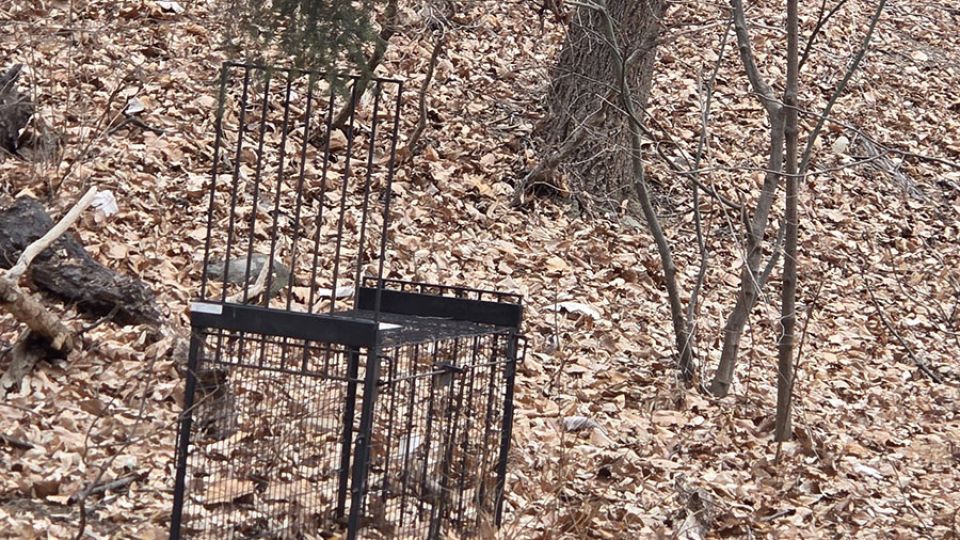
Veterinarians will join teams conducting captures using tranquilizers, while “smart traps” — remote-controlled cages — will be deployed to catch dogs that have learned to avoid standard traps.
Captured dogs are taken to district-run shelters and made available for adoption after public notice.
On Gwanaksan, drones and thermal cameras will be used to track movement, while Bukhansan will be monitored with wireless sensor cameras in cooperation with the national park office.
Community resistance complicates operations
However, the operations face resistance from some residents known as “wild-dog moms,” who leave food for the animals or interfere with trapping. Officials say damaged traps and complaints over tranquilizer use have disrupted rescue efforts.
Many of these residents say they support rescue and sterilization but not euthanasia. Under current rules, abandoned animals not adopted within 20 days may be euthanized, a policy activists say discourages cooperation.
Seoul officials say the wild dog issue reflects a deeper pattern of pet abandonment that has persisted for years. Balancing public safety, animal welfare and community concerns remains a complex challenge.
The city said it hopes to manage the issue with consistent monitoring, humane rescue practices and public education.