

January 27, 2026
KUALA LUMPUR – Every day, our roads are crowded not just with vehicles, but with unspoken stories.
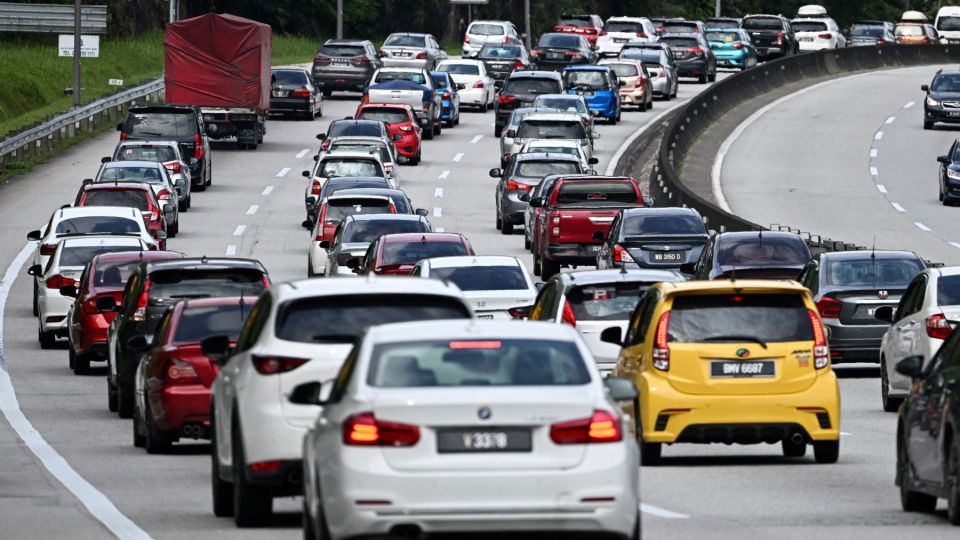
The simple image of a highway filled with cars, each labeled with a private pain like miscarriage, job loss, cancer, abuse, or grief, captures a truth many drivers forget: we are sharing lanes with people who may be driving through the worst day of their lives.
That realization is the starting point for any serious attempt to curb road rage.
Emotional awareness, coupled with strong and creative public messaging, can help shift our driving culture from hostility to humanity.
When emotion spills onto asphalt, road rage rarely appears out of nowhere.
It is often the overflow of fear, frustration, fatigue, or personal crisis that finally erupts when someone cuts into our lane or hesitates at a green light.
A driver who has just been fired, or who is rushing a sick parent to hospital, is already near boiling point; one small trigger can cause an explosion that endangers everyone nearby.
The road becomes a pressure cooker where multiple stressed, grieving or angry people interact at high speed with almost no space for nuance.
In Malaysia, recent cases have shown how quickly a minor provocation can turn deadly.
A brief exchange of honks or gestures escalates into dangerous tailgating, sudden braking, and in some cases physical confrontation.
In the worst incidents, lives have been lost and families shattered—all because neither party stepped back, breathed, and chose restraint.
These tragedies underline a hard reality: a few seconds of rage can lead to years of regret, prison terms, and permanent trauma for victims and perpetrators alike.
The quiet power of visual messaging
This is why images like the “Be kind. Everyone’s dealing with something” poster are more than feel‑good content; they are tools for public safety.
In one frame, the visual reframes traffic jams as a moving gallery of human vulnerability: the teenager facing an unplanned pregnancy, the woman carrying her late dog’s ashes, the man with only a few ringgits left, the young adult just diagnosed with cancer.
The message is simple but disarming, you never know what the driver next to you is carrying inside.
Such visuals work on drivers in three important ways:
■ They humanize strangers by reminding us that other drivers have families, fears and fragile hearts.
■ They interrupt automatic anger by introducing a moment of empathy before reaction.
■ They reframe courtesy not as weakness, but as emotional maturity and social responsibility.
Placed strategically on billboards, digital signboards, fuel stations, rest stops, and toll plazas, these posters could become gentle “speed bumps” for our tempers, slowing down anger before it accelerates into aggression.
From slogans to sustained behavior change of course, one poster alone cannot dismantle a culture of road rage.
Messaging needs to be layered, consistent and reinforced by policy, enforcement and education. But good communication can create the emotional conditions in which better laws and stricter penalties actually work.
A strong public campaign might:
■ Pair emotive visuals with real case summaries, showing how a single incident of rage led to death, jail sentences and lifelong guilt.
■ Use short, memorable lines that invite reflection, such as “You see a bad driver. You don’t see a bad day” or “Arrive with your license—and your humanity—intact.”
■ Integrate these messages into driving schools syllabus , refresher courses, compulsory corporate safety briefings and social media content by authorities and NGOs.
By repeatedly exposing drivers to reminders that “everyone you meet is fighting a hard battle”, the campaign aims to make empathy a habit, not a rare exception.
Over time, social norms can shift so that aggressive behavior becomes socially embarrassing, not admirable.
What an empathetic driving culture looks like an empathetic road culture does not mean perfect drivers or zero mistakes. It means that when mistakes happen—a sudden lane change, a late signal, an anxious stop—the default reaction is caution, not vengeance.
Practical empathy looks like:
■ Choosing not to tailgate or cut off someone who has annoyed you.
■ Leaving space for others to merge, especially in busy city traffic.
■ Refusing to shout, block, or step out of your vehicle in anger.
■ Remembering that your children, passengers and nearby pedestrians are learning from your behavior.
These small decisions, multiplied by millions of drivers, can significantly reduce confrontations, accidents and the emotional toll of commuting.
They also protect drivers themselves from the mental and physical health effects of chronic anger and stress.
A call to regulators and the public
For regulators, the message is clear: campaigns against road rage should be as emotionally intelligent as they are legally firm.
Enforcement, stiffer penalties and better reporting channels are crucial, but so is a communication strategy that reaches into the hearts of drivers, not just their wallets.
Featuring visuals like the “Be kind” highway image in official campaigns, together with stories from actual cases, would send a powerful signal that the state values not only road efficiency, but emotional safety.
For the public, the challenge is personal. Every driver must decide whether to be part of the problem or part of the solution.
The next time someone cuts into your lane, imagine the captions from that poster floating above their car: “He just got fired”, “She is in an abusive relationship”, “She’s on her way to say goodbye.”
You may never know their real story—but you can choose not to make it worse.
Kindness will not clear the jam, but it can clear a path for all of us to reach home with our dignity, our licenses and our consciences intact.
Remember what Plato once said ‘be kind, for everyone you meet is fighting a hard battle.”
Ravindran Raman Kutty is a senior communications and public relations professional with extensive experience across Malaysia, Fiji, the UK and Australia. Passionate about strategic communications, sustainability, and community engagement, Ravindran writes regularly to share insights and foster informed dialogue on important social and environmental issues.