

December 18, 2025
JAKARTA/MEDAN – Leaders of northern Sumatra regions affected by recent cyclone-induced disasters have asked for higher regional transfer (TKD) from the central government, noting the planned cut on such funds next year would put them in a hard place in recovering from and preparing for future calamities.
Several regencies and cities in Aceh, North Sumatra and West Sumatra continue to suffer from floods and landslides that hit in late November, which have so far left 1,059 dead and damaged more than 147,000 homes, according to the National Disaster Mitigation Agency (BNPB) on Wednesday.
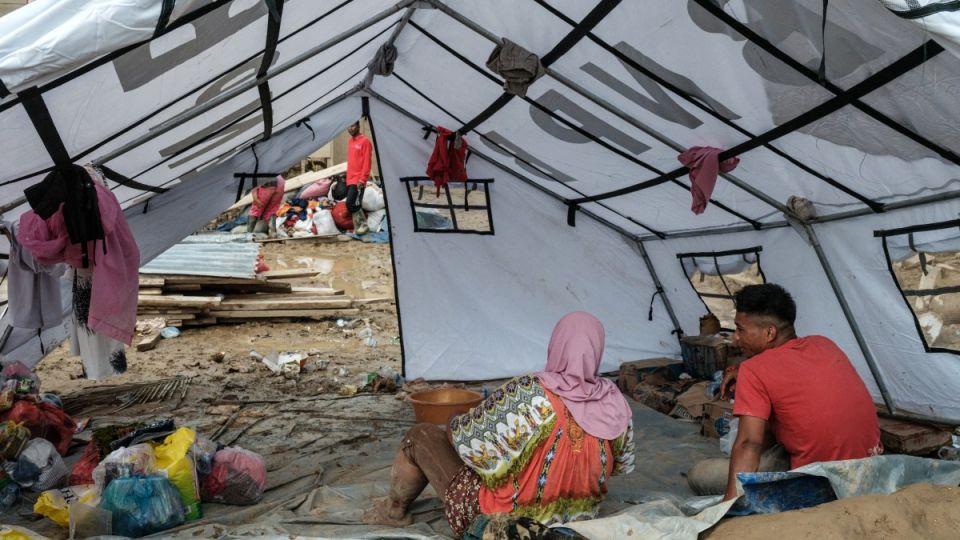
Three weeks after the Tropical Cyclone Senyar hit the region, local authorities are still struggling to provide basic necessities to some 600,000 displaced residents in evacuation shelters across the provinces. Some areas are also still isolated as floods and landslides destroyed bridges and blocked roads, hindering land transportation of humanitarian aid.
Some regional leaders have since voiced fear of the lack of money needed to recover from the disasters impact as the TKD from the central government for 2026 is planned to be drastically cut by nearly 20
The transfer for regional administration this year even has faced reduction from initial allocation of Rp 919.9 trillion, which was budgeted during former President Joko “Jokowi” Widodo administration. The cut occurred when President Prabowo Subianto imposed austerity measures earlier this year for government institutions of all levels, including the regional administrations, to fund his flagship programs.
Aceh, which is hardest-hit by Senyar, has requested the central government to cancel the cut, which would decrease the TKD for Aceh in 2026 by Rp 904 billion from this year’s Rp 7 trillion. Aceh Financial Management Agency head Reza Saputra warned the cuts could disrupt mitigation in disaster-prone regions.
“We are asking for a review of the [regional transfer] cuts,” Reza told The Jakarta Post on Monday.
Read also: Sumatra flood deaths exceed 1,000 as regions extend emergency status
Before Aceh, West Sumatra Governor Mahyeldi Ansharullah had urged the government to cancel the cut for his province, which he calculated would reach more than Rp 2.6 trillion, or by 13 percent from the number given this year.
In a letter to the Finance Ministry dated Dec. 2, the governor argued the reduction would significantly weaken the province’s ability to conduct large-scale disaster recovery following the widespread hydrometeorological disasters.
“We are in urgent need of that support for disaster response and recovery,” the governor said in a statement issued on Dec. 4.
Relaxed transfer
The Finance Ministry offered a temporary relief by relaxing requirements for the disbursement of regional transfers to Aceh, North Sumatra and West Sumatra as well as 52 regencies and cities across the three provinces affected by floods and landslides.
“We understand that regional administrations are facing serious difficulties, so we are simplifying the disbursement requirements to make them more practical and automatic, at least during the emergency response phase,” Deputy Finance Minister Suahasil Nazara said on Tuesday.
Prabowo also announced during a cabinet meeting on Monday the disbursement of emergency disaster funds of Rp 20 billion for each provincial administration as well as Rp 4 billion to each of the 52 impacted regencies and cities.
But aside from Prabowo’s announcement on emergency fund disbursement, through a circular dated Dec. 1, Home Ministry Tito Karnavian urged all regional administrations across the country to help funding the disaster-stricken regional administrations using their respective regional budget (APBD).
In a separate letter dated Dec. 11, Tito wrote to the Aceh, North Sumatra and West Sumatra provincial administrations that in the case of funding disbursed by central government and other regional administrations are not enough to recover from impacts of the disasters, they should readjust all programs and reallocate their budget or “use any available money”.
‘Short-term solutions’
While commending the central government’s allocation of additional funds, some experts warned the measures remain insufficient for long-term mitigation in disaster-prone areas.
Such funding should only be seen as short-term solutions, according to economist Syafruddin Karimi of Andalas University in Padang, West Sumatra.
“These reliefs and policies will help local governments cover evacuation costs, logistics and emergency health services that are currently in dire need,” he said.
“But sporadic aid will not alleviate local administrations’ concerns about regional budget cuts and their long-term fiscal capacity.”
Read also: Flood survivors reeling from devastation plea for global help
Seeing the impact of northern Sumatra disasters, the central government “simply could no longer justify the regional cuts for the sake of austerity”, said Center of Economic and Law Studies (CELIOS) executive director Bhima Yudhistira.
Both Syafruddin and Bhima warned the cuts would only hurt more regions across the country, pointing to recent warnings from the Meteorology, Climatology and Geophysics Agency (BMKG) about potential tropical cyclones affecting regions like East Java and Bali.
“This is no longer just about Sumatra,” Bhima said. “More regions will be affected next year, so strong regional budgets are needed for their disaster response.