

March 19, 2026
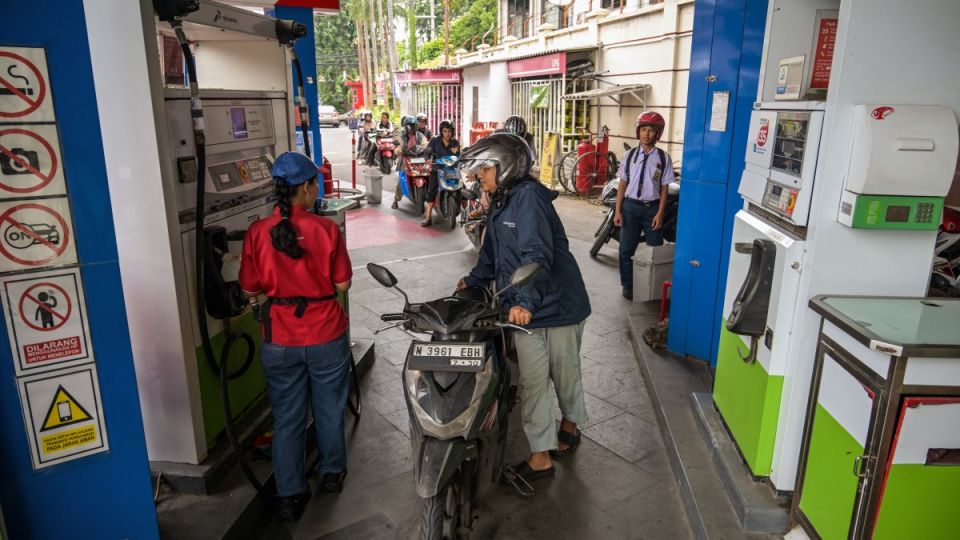
JAKARTA – Amid the ongoing United States-Israeli war on Iran, which has caused disruption to global oil supplies and a price surge, the government is considering reactivating a work from home (WFH) policy to cut fuel usage.
According to Energy and Mineral Resources Minister Bahlil Lahadalia, the policy plan is still under review, but could serve as a mitigation measure against fuel shortages and price increases.
As a result of the war between Iran and the US and Israel, global crude oil prices have increased to above US$100 per barrel, far exceeding the $70 per barrel assumption in the 2026 state budget, which may result in higher energy subsidies.
Bahlil insisted the country’s energy supply remained under control, with the state budget deemed sufficient to cover the excess subsidy spending. However, preventive measures, such as a WFH policy, remain pivotal.
“It’s important to maintain sufficient stock to prevent shortages in Indonesia, whether for LPG [liquefied petroleum gas], gasoline or diesel. The government will continue to provide subsidies with the amount depending on the political situation,” Bahlil said on Tuesday.
The Strait of Hormuz, where one-fifth of global oil and third of liquefied natural gas (LNG) transit daily, has been effectively shut since Feb. 28, when Iran restricted access following the US-Israeli military attack.
Although Indonesia is geographically distant from the conflict, it has long been a net oil importer, consuming 1.6 million barrels per day but producing only 608,000, making it dependent on supplies from other countries to meet its energy demand.