

December 29, 2025
JAKARTA – Indonesia’s textile products will not be exempt from United States tariffs despite earlier talks seeking exemptions for several key commodities, according to Coordinating Economy Minister Airlangga Hartarto, who also heads the team for negotiating a reciprocal tariff agreement with Washington.
“Textiles are not [considered natural products]. So [the tariff exemptions apply to] tropical natural resources,” Airlangga said in Jakarta on Friday, as quoted by Kompas.com, noting that the products granted exemptions were largely natural resource commodities such as palm oil.
Textiles and textile products, which account for a significant portion of Indonesia’s exports to the US, would therefore remain subject to a 19 percent tariff once it comes into force.
The senior minister added that the decision would be included in the Agreement on Reciprocal Trade (ART), which is yet to conclude following an executive order on reciprocal tariffs issued by President Donald Trump in early April.
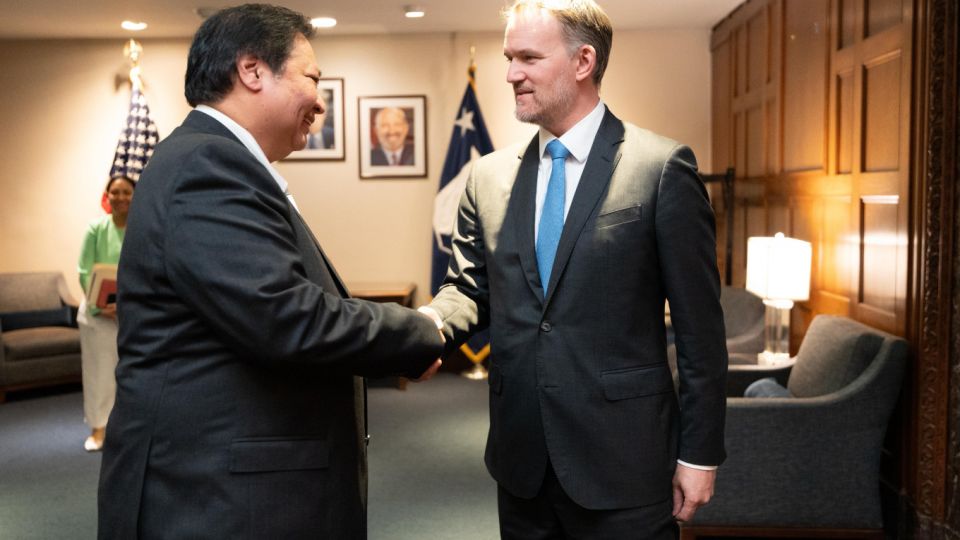
Airlangga, who met US Trade Representative Jamieson Greer on Monday and reportedly resolved all substantive issues in the tariff negotiations, did not disclose details of the full list of exemptions, emphasizing that the technical aspects were still being finalized.
Following their meeting, Airlangga announced that the ART, which President Prabowo Subianto and US President Donald Trump are expected to sign in January 2026, would not constrain domestic policy space and was designed to deliver “balanced economic benefits” for both countries.
“No Indonesian policies are restricted by this agreement […], which is purely commercial and strategic in nature,” the senior minister told an online press briefing on Tuesday, stressing that the pact contained no provisions that limited Jakarta’s ability to pursue trade deals with other countries.
He also said the US was seeking access to Indonesia’s critical minerals and had agreed to grant exemptions for key Indonesian export commodities such as palm oil, tea and coffee.
Washington imposed a 19 percent tariff on most Indonesian goods under a preliminary “framework agreement” in July, down from 32 percent previously threatened in April. The move followed an earlier understanding through which Indonesia agreed to remove tariff and nontariff barriers for US companies and purchase around US$19 billion in American goods to help narrow the trade gap.
On Dec. 15, Airlangga said “nothing new” would emerge in the deal beyond what had been agreed in July.
Despite a joint statement released at the time, Jakarta and Washington have yet to sign the ART. In contrast, both Malaysia and Cambodia released joint statements and signed their agreements with the US on Oct. 26, during the ASEAN Summit in Kuala Lumpur.
However, the agreements Malaysia and Cambodia signed include a clause requiring the two countries to “consult with Washington” before entering into digital trade agreements with other countries, as well as to align with US sanctions and economic restrictions.
The Financial Times reported in November that Indonesia had refused to accept the so-called “poison pill” clause, arguing this would undermine its “economic sovereignty”.
Airlangga was quoted as saying at the time that these were “different agreements, not the one with Indonesia”, and declined to elaborate further, citing a nondisclosure agreement between Jakarta and Washington.