

February 3, 2026
TOKYO – The deep-sea drilling vessel Chikyu, operated by the Japan Agency for Marine-Earth Science and Technology (JAMSTEC), has successfully conducted a test excavation of rare earth–bearing mud from the deep ocean floor, the agency announced Monday.
China controls the majority of rare earth production in the world, and increasingly uses these critical minerals as a diplomatic tool. This achievement represents a major step toward developing a domestic supply.
The excavation was conducted at a depth of about 5,700 meters off Minami-Torishima, a remote island roughly 1,900 kilometers from mainland Tokyo. It was part of a large-scale Cabinet Office research initiative known as the Cross-ministerial Strategic Innovation Promotion Program (SIP) within Japan’s exclusive economic zone near Minami-Torishima.
The Chikyu extended a pipe and, using an unmanned submersible to adjust water flow, used the pressure of seawater injected from the ship to push seafloor mud upward and recover it. This marks the world’s first attempt to apply unique modifications to drilling methods used for seabed oil and natural gas fields.
Japan has invested approximately ¥40 billion in developing specialized equipment as part of SIP, including reinforced recovery pipes and a mining device designed to crush mud. In 2022, the program successfully lifted mud from a depth of around 2,400 meters off the coast of Ibaraki Prefecture.
This latest trial more than doubled that depth, confirming that the system can operate under the immense water pressure of deeper environments.
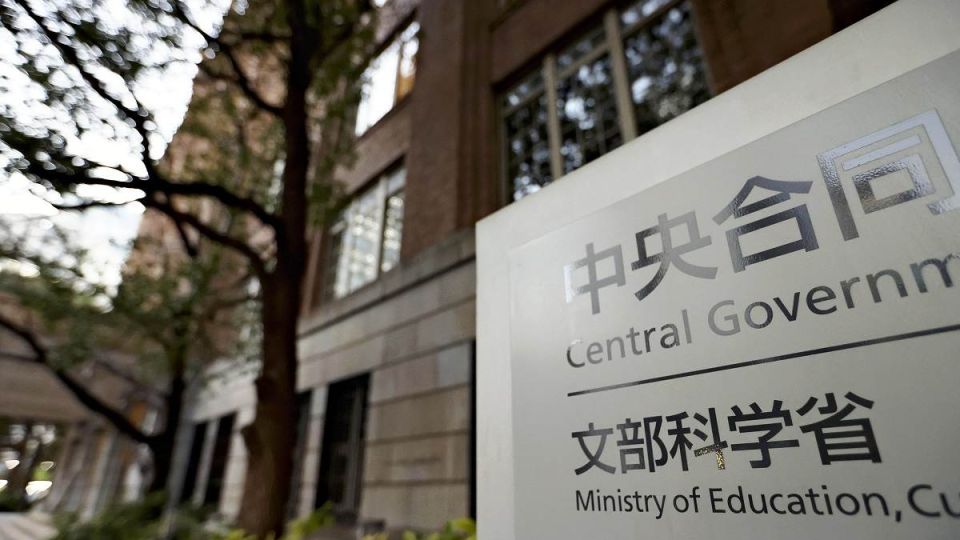
Education, Culture, Sports, Science and Technology Minister Yohei Matsumoto, who oversees JAMSTEC, posted Sunday on X that the agency had succeeded in recovering rare earth mud.
Following this success, Japan plans a full-scale test excavation in February 2027, aiming to recover up to 350 tons of mud per day. Officials intend to compile a report by March 2028 assessing the project’s profitability, taking mining costs into account.
Researchers from the University of Tokyo first discovered mud with high concentrations of rare earth elements near Minami-Torishima in 2013. Estimates suggest the area contains at least 16 million tons of rare earth resources — comparable to the world’s third largest national reserves.
Rare earths are a group of 17 elements including neodymium and dysprosium. They are essential for technologies such as high-powered magnets used in electric vehicle motors and light-emitting diodes.
Although rare earths are widely distributed globally, China dominates the sector, accounting for roughly 70% of mining output and about 90% of refining capacity. Beijing has frequently tightened export controls as a means of applying diplomatic and political pressure on other nations.
Japan relies on China for roughly 60%–70% of its rare earth imports.