

July 14, 2026
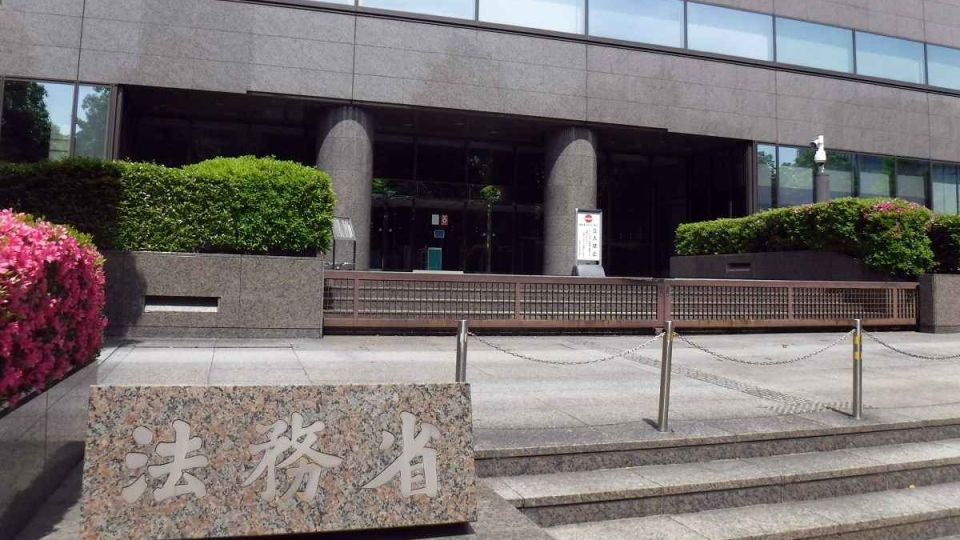
TOKYO – The voice “is a symbol of an individual’s personality and subject to protection under the right of publicity,” according to draft guidelines by a Justice Ministry expert panel on the unauthorized use of celebrities’ likenesses and voices through generative AI, it has been learned.
This concept has not previously been codified in law, and the draft is expected to be finalized soon. As an example of infringement, the draft cites audio generated using the voices of such people as voice actors without permission and then posted on social media to generate earnings.
Amid the rampant exploitation of the likenesses and voices of celebrities and others without permission on social media and elsewhere, the ministry established the expert panel in April to discuss civil liability.
Since there are no laws or judicial precedents explicitly protecting voices, the panel has conducted interviews with voice actors and engaged in extensive deliberations. The panel plans to finalize the details and publish the guidelines as early as August.
According to the draft guidelines, voices should be covered by the “right not to be used without authorization,” with its basis in the right of publicity and personality rights. Under the right of publicity, such people as celebrities have the right to the exclusive use of their name, likeness and more. There are no codified laws about the right of publicity in Japan, but it has been established through a 2012 Supreme Court ruling.
The panel expressed the view that the use of not only a voice identical to that of the individual but also one resembling it constitutes an infringement of the right of publicity.
The draft also provides specific examples of infringement regarding voices. These included cases in which audio was generated using the voices of singers or voice actors without permission to make it sound as if they were singing another person’s song. This content was then posted on social media to generate revenue. There were cases where revenue was not generated, but the content was posted to gain followers or views, thereby causing harm to the business interests of people in such professions.
A view expressed in the draft is that the provision of AI services capable of generating voice actors’ voices would constitute infringement if it was used as a selling point in marketing material.
Human impersonations and voice mimicry were also addressed by the panel. While such acts are often viewed as “performing arts designed to attract attention,” the draft said that “they are not considered infringements as long as the audience does not mistake the performer for the actual person.”
The panel also discussed the creation and publication of sexually explicit images and video of real individuals using generative AI. The draft guidelines state that such acts “are highly likely to be assessed as infringements of likeness and other rights, as they damage the individual’s dignity.”
According to a survey by the Japan Publicity Right Protection Organization, a nonprofit organization mainly consisting of major talent agencies, there were over 40,000 confirmed cases of images and videos being uploaded on social media believed to have been created using the likenesses or voices of Japanese celebrities without permission during the two-month period beginning in late June last year. The organization estimates the economic losses from those cases stood between about ¥2 billion and ¥4.5 billion.