

January 22, 2026
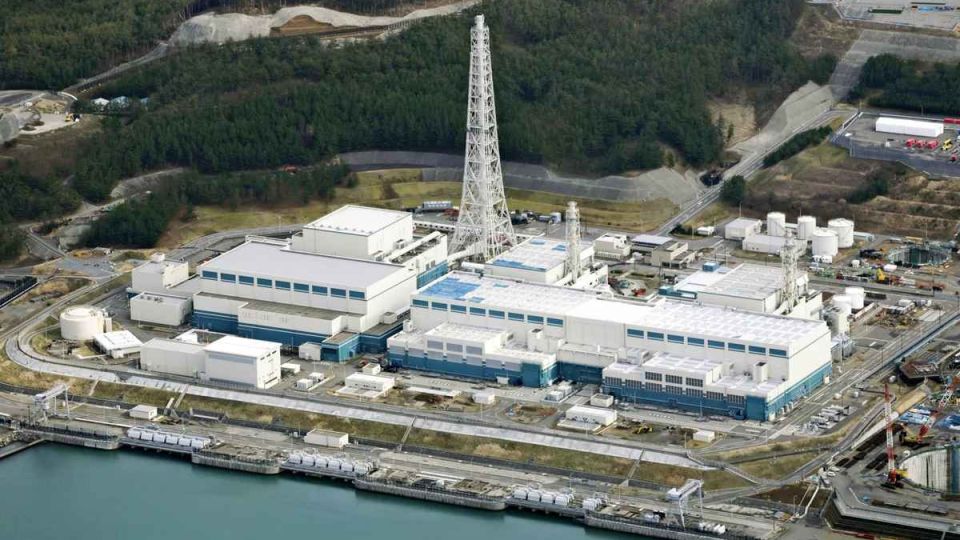
TOKYO – Tokyo Electric Power Company Holdings, Inc. restarted the No. 6 reactor at its Kashiwazaki-Kariwa nuclear power station in Niigata Prefecture on Wednesday evenng.
The reactor has an output of about 1.36 million kilowatts. This marks the first time for TEPCO to bring a reactor back online since the 2011 accident at its Fukushima No. 1 nuclear power plant, and it is the 15th reactor to resume operations in Japan.
TEPCO initially planned to restart the reactor on Tuesday but postponed the move to check a warning system for control rods, which suppress nuclear fission. The delay was triggered by a setting error on Saturday that prevented an alarm from sounding.
TEPCO finished inspecting the alarm system early Wednesday. After making final adjustments and obtaining approval from the Nuclear Regulation Authority, the utility withdrew control rods to activate the reactor.
The reactor was expected to reach criticality, a state in which a nuclear fission reaction continues in a stable manner, in about two hours.
TEPCO is expected to begin trial power generation as early as later this month. The company will inspect equipment driven by steam from the reactor and gradually ramp up the generator’s output.
Given that nearly 14 years have passed since the reactor was taken offline in March 2012, TEPCO plans to temporarily shut it down to inspect equipment for irregularities.
If no issues are found, the company plans to start commercial operation on Feb. 26 after a final confirmation by the NRA.
The No. 6 reactor is an advanced boiling water reactor (ABWR), which is considered to offer enhanced safety compared to the boiling water reactors (BWRs) at the Fukushima No. 1 plant.
Reflecting lessons from the Fukushima nuclear disaster, new regulatory standards enforced in 2013 require power companies to enhance countermeasures against earthquakes and tsunami.
The Kashiwazaki-Kariwa plant is equipped with a seawall 15 meters above sea level, devices to prevent hydrogen explosions and multiple backup power sources to prepare for power loss.