

February 2, 2026
SEOUL – A series of recent cancellations and indefinite postponements of K-pop concerts across the Greater China region has renewed questions about whether unofficial restrictions on Korean pop culture remain in place, despite signals of gradual easing.
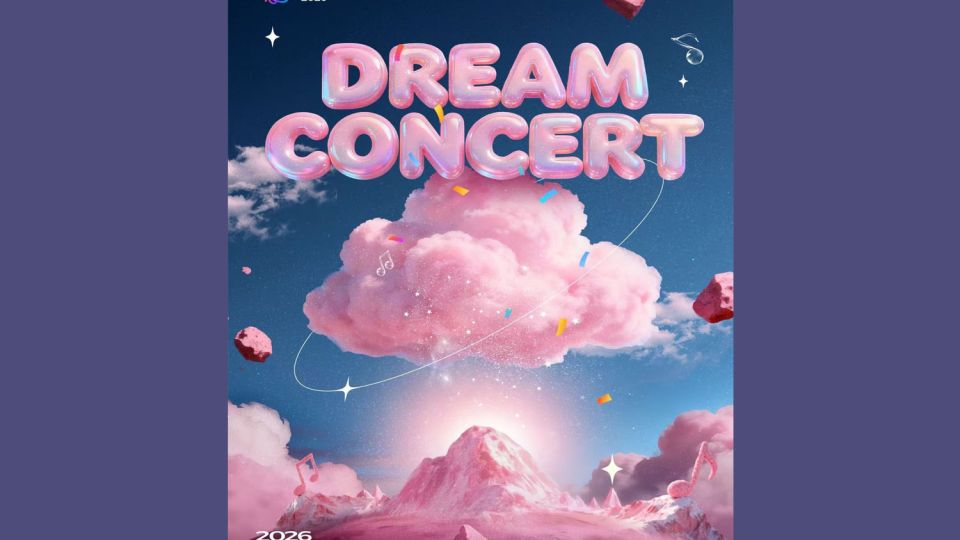
Dream Concert 2026 in Hong Kong, scheduled for Feb. 6 and 7, was organized by the Korea Entertainment Producer’s Association and From Entertainment in partnership with Chinese firm Changsha Liu Jiu Cultural Heritage Corp. However, the Chinese partner unilaterally postponed the event indefinitely without prior agreement from the Korean organizers. While the move was described as a “postponement,” industry observers say such indefinite delays in the region have historically amounted to cancellations.
The decision came just a week after another setback, when a Dream Concert scheduled at Kai Tak Stadium, one of Hong Kong’s most symbolic venues, was also postponed indefinitely. Around the same time, MBC’s “Show! Music Core” concert, planned for Feb. 7-8 in Macao, was abruptly canceled without an official explanation. The clustering of these cancellations has fueled speculation that unofficial barriers to K-pop events remain in place.
The Hong Kong Dream Concert had drawn strong fan interest, with nearly 100,000 people signing up for ticket notifications. The first announced lineup included major acts Exo-CBX, Mamamoo’s Hwasa, SHINee’s Taemin and The Boyz. The KEPA previously said interest surged after the lineup announcement, with fans preparing for group attendance and overseas travel.
Nationality issues appear unlikely to have been the primary cause in this case. The Dream Concert lineup did not include Japanese members, making it difficult to attribute the cancellation to tensions involving Japan. While “Show! Music Core” featured groups with Japanese members, the organizers similarly said nationality was not a decisive factor.
Jeon Duk-jung, vice chair of the KEPA, told The Korea Herald that the Chinese organizer had explicitly said Japanese artists were not a problem.
“I don’t know the exact background (on the cancellation of Dream Concert),” Jeon said. “The Chinese side unilaterally decided on an indefinite postponement. The reason they gave was that ticket sales projections based on simulations were low.”
Jeon expressed frustration with that explanation, saying that on-site ticket sales are common and some K-pop concerts have proceeded with selling as many as 20,000 tickets at the venue itself.
However, ticket sales for the Dream Concert in Hong Kong were slower than expected. First-round ticket sales opened at 10 a.m. on Jan. 7, with only about 4,000 tickets sold in under a month. Kai Tak Sports Park has a maximum capacity of some 50,000.
Another factor may have been scheduling and lineup competition. An entertainment industry official suggested that Dream Concert and “Show! Music Core” were competing for the same audience with similar artists. Dream Concert was scheduled for Feb. 6-7, while “Show! Music Core” was set for Feb. 7-8.
“There were multiple reasons, but there was excessive casting competition between Dream Concert and ‘Show! Music Core,'” the official said. “The concert dates were only one day apart, and one day overlapped. The Chinese co-organizer for Dream Concert in Hong Kong likely asked for a stronger lineup and they may have judged later that its lineup was weaker, which affected ticket sales.”