

July 14, 2026
JAKARTA – Jonathan Roganda Timothy spends roughly Rp 5 million (US$276) to Rp 7 million a month to feed and groom his four dogs: two golden retrievers, an Akita and a rescued Karelo-Finnish Laika.
The cost is simply part of the commitment. But for many people grappling with rising living costs and economic uncertainty, it is exactly why owning a dog has become a luxury.
Canine companionship was once a simple source of joy for pet lovers in Jakarta. Now it empties wallets, wears down patience and crowds shelters as owners, foster caregivers and shelter workers juggle rising costs and limited space.
They also confront the unsettling truth that giving up a dog can be just as hard as taking one in.
“Adopting a dog is not an impulse. It’s a 10- to 15-year lifestyle commitment that demands time, love and money,” Jonathan, who lives in South Tangerang, Banten, said during an interview in late June.
“People may disagree, but you need a budget and a plan before bringing a pet home,” he advised.
“Adopting a dog is not an impulse. It’s a 10- to 15-year lifestyle commitment that demands time, love and money.” — Jonathan Roganda Timothy, pet influencer
With Jakarta’s minimum wage set at Rp 5.7 million, owning a pet has become a luxury as fuel and food prices continue to climb. Job losses and hiring freezes across the country have only made that reality harder.
The struggle is not exclusive to Indonesia. Even in Australia, the United Kingdom and the United States, soaring living costs have pushed pet owners toward the same painful choice: giving up their dogs and cats simply to keep food on the table.
The pressure is evident at shelters, where abandoned dogs continue to arrive as workers and volunteers seek new homes for them.
Dody Hardiansyah, a staffer at Pejaten Shelter in Pasar Minggu, South Jakarta, said many owners neglected their dogs’ basic needs, allowed unplanned breeding and eventually surrendered the puppies when they became overwhelmed with the mounting costs.
Sterilization and vaccination were essential, he stressed, yet many people continued to breed dogs without thinking ahead.
“People start with one or two dogs, no sterilization. Then they breed. Up to eight puppies per litter, minimum three to five. Suddenly the food budget explodes,” said Dody.
“The real struggle is to educate owners, and sterilization doesn’t come cheap, either,” he said.
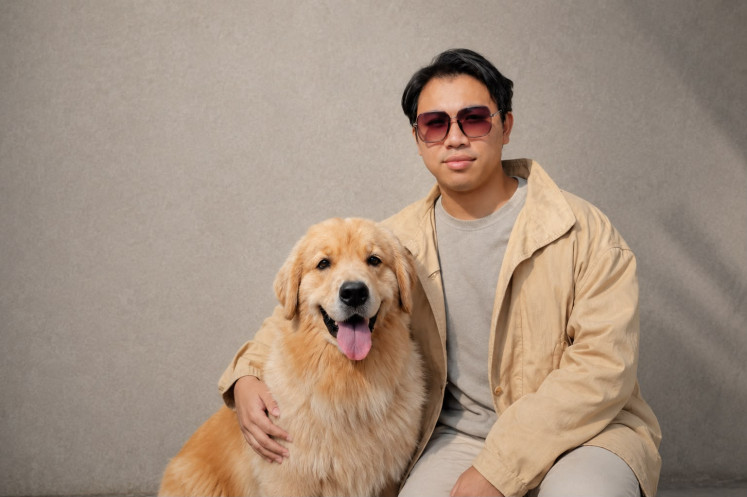
Pet care educators: Social medial influencer Jonathan Roganda Timothy poses with his dog Dolce in this undated portrait. Dolce’s viral popularity has helped support his care while Jonathan encourages responsible dog ownership. PHOTO: CONTRIBUTED/THE JAKARTA POST
Love isn’t enough
After seven years working at the shelter, Dody still feels his job is a calling rather than a career.
“I just love animals, any kind,” he said.
But love does not pay veterinary bills. Between 2023 and the end of 2024, the shelter spent more than Rp 2 billion at several different clinics to maintain the health of the animals in their care.
The adoption rate also shows widely varying circumstances among animals. Some dogs find loving homes. Others spend years waiting, unaware that their owners have moved on. Too many are simply abandoned on roads to die.
Dody and his team receive at least 10 calls every day about lost or abandoned dogs. While the number has eased since the height of the COVID-19 pandemic, the calls haven’t stopped.
Still, he believes genuine care matters more than wealth.
“Money is not the main factor for people who truly care. With basic care, adoption works. Routine health needs are manageable, unless the animal has a preexisting condition that is costly,” he explained.
“Some adopters even take in old, sick dogs, not because it is easy [to care for them] but to give them joy in their final days.”
Not every abandoned dog remains abandoned, however, and some find their way into homes like Dwika Putra’s. After getting a dog of his own four years ago, he began fostering and rehoming dogs.
“I wouldn’t call myself an activist,” said Dwika, 37.
He was never a dog enthusiast but gradually came to appreciate each dog’s unique personality and imperfections, a development he credits his wife, a lifelong dog lover.
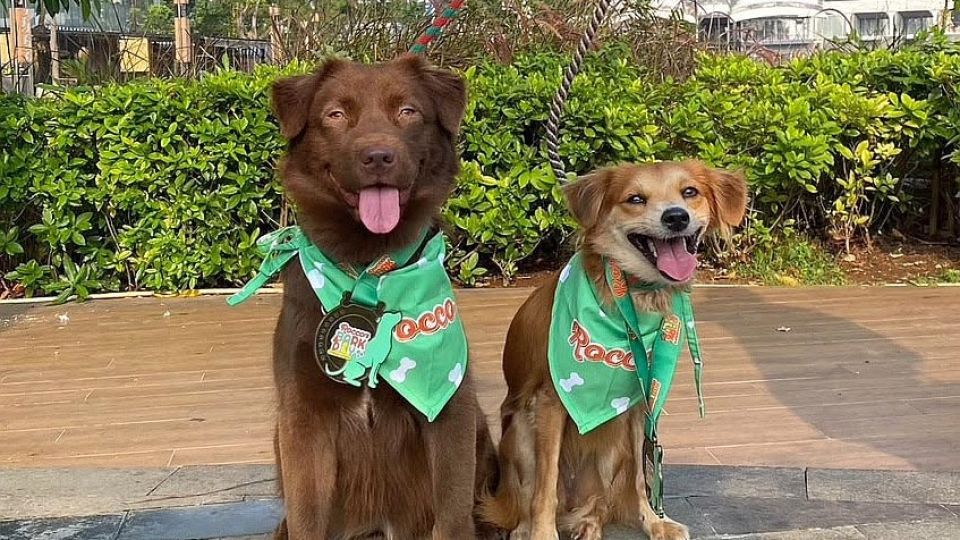
The couple now has two adopted dogs, Hazelnut, or Hazel for short, and Peanut.
“The first dog wasn’t abandoned. Her owners just couldn’t handle more than one, so they gave her up as a puppy. The second one was dumped and went through three different homes before we got her,” said Dwika, who has never regretted adopting the two sweet, brown dogs.
He explained that many dogs were overlooked because of their appearance or health. One of his earliest fosters stayed with him for a year and a half.
“Puppies and purebreds get adopted quickly. A husky never stays long. But Gendis, my current foster, has been overlooked simply because she doesn’t fit that image,” he said.
Gendis comes with what Dwika calls “baggage”: Before she can trust anyone else, she first has to trust him.

Winsome smile: Gendis, one of Dwika Putra’s fosters, is waiting for a family of her own. PHOTO: CONTRIBUTED/THE JAKARTA POST
From rescue to reels
Fostering dogs like Gendis is no easy task, but Dwika finds hope in the rise of pet influencers.
He said “pawrents”, an informal term for pet owners, now had access to helpful content, from nutrition tips to daily care advice, and he believes that makes a real difference.
Not every dog finds a home right away. Some find an online audience first, like Jonathan’s dog, Dolce.
Jonathan never set out to become a pet influencer. His content originally focused on music, and he only planned to share Dolce’s life on Instagram. Then his dog videos went viral.
He recalled the shock of watching one video rack up 10 million views. Soon after, the brand deals began rolling in.
“Becoming a pet influencer happened naturally. I didn’t plan this, but the audience came. And when your dog is cute, brands call, event organizers reach out and people just want to be around him,” he said with a laugh.
Dolce has more than 31,000 Instagram followers and frequently shares the spotlight with his son, Godzilla.
“You land jobs, you get projects. The dog pays for his own kibble. They work for themselves,” Jonathan joked.
From his experience, pet influencer content serves a dual purpose: educating pawrents while generating income for the furry faces on-screen.
While Dolce might help pay the bills, Jonathan said the biggest lesson has little to do with social media.
“Not all of us are born into financial freedom. So when we leave for work, the dog pays the price. The house gets destroyed. They get depressed. And without the flexible schedule or daily presence a dog needs, owning one just doesn’t make sense,” he said.
“A 6:30 a.m. to 8 p.m. corporate schedule just doesn’t work. Dolce forced me to go noncorporate.”
Budgeting aside, it’s clear that dog ownership also involves the whole gamut of planning necessary to care for any member of a family.