

March 12, 2026
SEOUL – Two long-running dog slaughter and meat-selling businesses in Indonesia have been shut down, marking what activists say is the first overseas application of South Korea’s dog meat industry transition model.
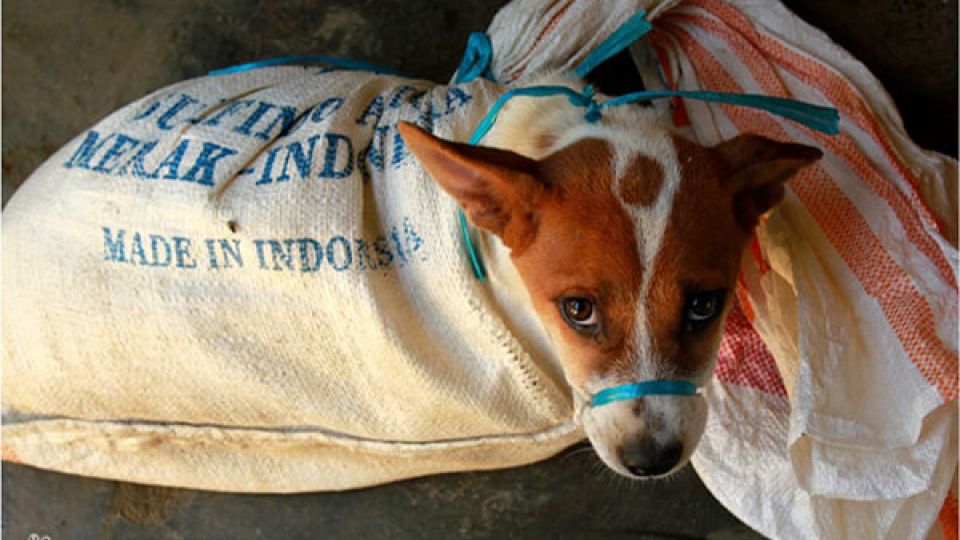
The South Korean branch of Humane World for Animals said Wednesday it supported the closure of a dog meat restaurant and slaughterhouse, rescuing 10 dogs that were awaiting slaughter. The operation in Kupang, on Indonesia’s East Nusa Tenggara province, was conducted in partnership with Jakarta Animal Aid Network, a local animal welfare organization.
According to the groups, the shuttered slaughterhouse and restaurant had been slaughtering dogs or selling dog meat for more than 15 years and 45 years, respectively.
The initiative marks the first overseas use of South Korea’s “Models for Change,” a transition program that shuts down dog meat farms while helping business owners shift to alternative livelihoods. Since its launch in 2015, the program has led to the closure of 18 dog farms in South Korea and the rescue of more than 2,700 dogs.
Lee Sang-kyung, a campaign manager at Humane World for Animals, said expanding the program abroad reflects the group’s efforts to accelerate global moves to end the dog meat trade.
While Indonesia’s dog meat trade differs from Korea’s, with many dogs there illegally captured from homes or streets and transported under harsh conditions, activists emphasized that the suffering they endure is the same.
They also noted that the trade poses a significant public health threat. “The dog meat industry is closely tied to the spread of rabies, putting even those who do not consume dog meat at risk,” Lee added.
East Nusa Tenggara is known as one of Indonesia’s regions with the highest dog meat consumption. Ongoing trafficking of dogs captured from the streets has drawn public health concerns, particularly as the province reported 78 human rabies cases in 2025 — the highest number nationwide.
The owners of the slaughterhouse and the restaurant will transition to new businesses, including operating a convenience store and selling construction materials, as part of the program’s livelihood support.
The 10 rescued dogs are currently receiving medical care and quarantine at a veterinary clinic before being transferred to a shelter run by Jakarta Animal Aid Network in Bogor, West Java. They will be treated, rehabilitated and eventually placed with adoptive families.