

April 7, 2026
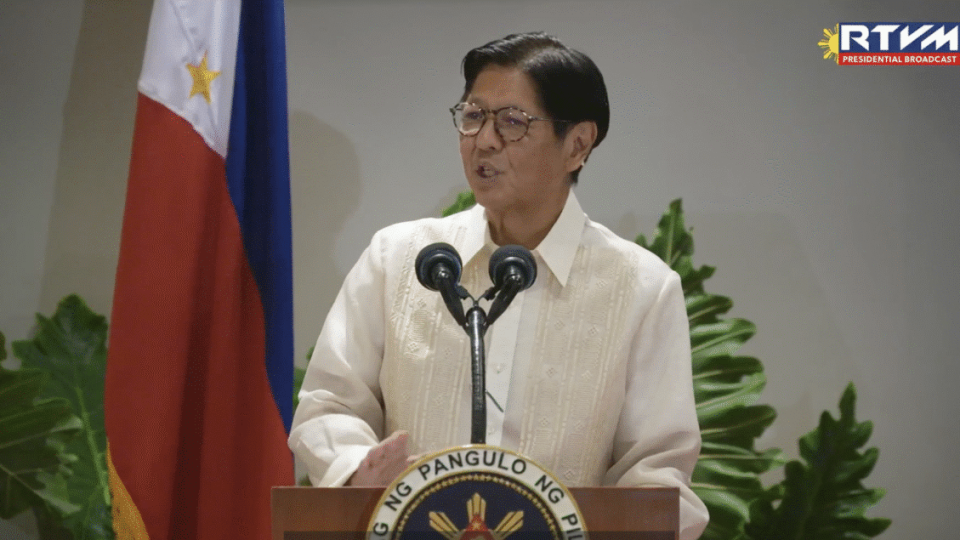
MANILA – President Ferdinand Marcos Jr. may decide at the earliest on Tuesday, April 7, if he will cut or totally suspend the excise taxes on petroleum products as part of the government’s response to address the soaring prices of fuel.
In a briefing on Monday, Palace press officer Claire Castro said the Development Budget Coordination Committee (DBCC) would meet on Tuesday to submit for the President’s approval its recommendation on whether to reduce or suspend excise taxes on gasoline, diesel, and other fuel under Republic Act No. 12316.
Asked if Marcos could arrive at a decision right after the DBCC meeting, Castro answered: “Most likely there will be, if he sees that the recommendation is correct. And if the recommendation is appropriate and beneficial for the people and the country, then the President will approve it promptly.”
Malacañang, however, noted that Marcos’ decision would strike a balance between reducing the prices of fuel and the government’s income to continue its programs.
“Let us remember that taxes are the lifeblood of the government, so we need to balance everything,” Castro said.
The Department of Finance, however, warned that suspending the collection of excise tax on fuels from May to December would result in revenue loss of at least P121 billion.
The president could only invoke his newly granted emergency power to suspend or reduce excise taxes on fuel products by April 12 at the earliest, when RA 12316 shall take effect.
But even with fully slashing the excise taxes, the measure can only pull down the price of diesel by P6 per liter, while the price of gasoline, liquefied petroleum gas (LPG), and other petroleum products could be reduced by P10 per liter.
Any reduction or suspension of excise tax on petroleum products, however, will apply only to incoming fuel shipments and not to existing inventory.
Transport groups have been calling on the government to also suspend the 12-percent value-added tax on fuel products to further pull down their prices.
On March 25, Marcos signed 12316, allowing the President to suspend or reduce fuel excise taxes if the Dubai crude oil price reaches or exceeds US$80 per barrel for one month, upon recommendation of the DBCC and in coordination with the Energy Secretary.
The law states that any suspension or reduction of fuel excise taxes can only last up to three months, but not more than one year in total, and taxes will automatically return to their original rates either one week after the one-month average Dubai crude oil price drops below $80 per barrel.
The power of the president to temporarily suspend or reduce the excise tax on petroleum products shall only be exercised until Dec. 31, 2028. /jpv /atm