

June 5, 2026
PETALING JAYA – The transfer of three endangered elephants from Malaysia to Japan has come under renewed scrutiny, with wildlife activists questioning the legality of the move and the animals’ welfare.
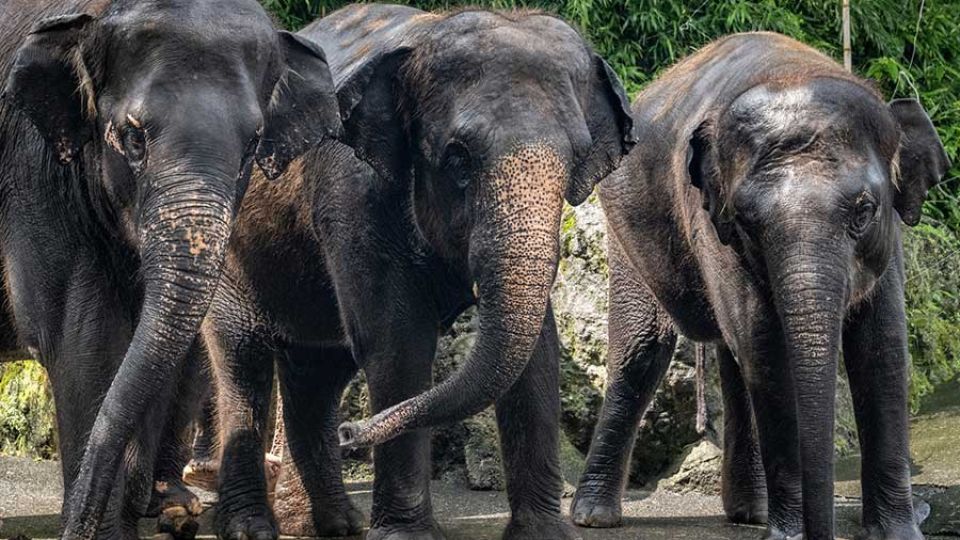
The elephants – Dara, Amoi and Kelat – are currently housed at Tennoji Zoo in Osaka, but campaigners are calling for their return, arguing that the animals should never have been exported.
Pertubuhan Pelindung Khazanah Alam Malaysia president Rajesh Nagarajan said the elephants were classified under the highest protection category under the Convention on International Trade in Endangered Species of Wild Fauna and Flora.
“These elephants are endangered and could face extinction if not properly protected. Given their status, they should never have been taken out of the country,” he told a press conference yesterday.
Rajesh also produced an air waybill, which he claimed showed the animals were classified as wild-caught endangered elephants and that RM368,250 was spent on sending them to Japan.
He further questioned official records, alleging documents related to the transfer were endorsed by a Pahang state veterinary officer instead of one from Perak, where Taiping Zoo is located.
Rajesh urged the Malaysian Anti-Corruption Commission to investigate the transfer process, citing transparency concerns.
Meanwhile, wildlife activist Datin Shereen Yunos raised concerns over the elephants’ condition in Japan, claiming Kelat had suffered a broken tusk after repeatedly striking enclosure barriers due to stress.
“Our elephants come from tropical forests filled with trees, bushes, grass, rivers and mud. They are highly intelligent and emotional animals that can experience distress,” she said.