

April 20, 2026
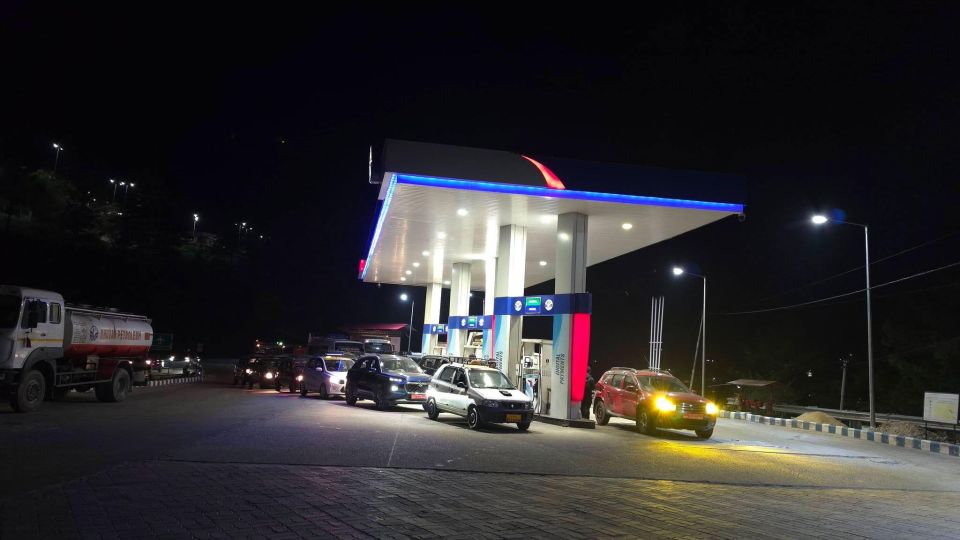
THIMPHU – Fuel prices across the country have increased, even as the government continues to provide subsidies to cushion consumers.
Petrol prices have risen by Nu 5.02 per litre, from Nu 97.88 to Nu 102.90, while diesel prices saw a marginal increase of Nu 0.12 per litre, from Nu 98.19 to Nu 98.31.
The current rates are being supported by government subsidies of Nu 8.19 per litre on petrol and a maximum amount of Nu 101.35 per litre on diesel. Without these interventions, petrol prices would have reached Nu 111.09 per litre, while diesel prices were projected to surge to Nu 199.66 per litre.
The latest revision indicates a more subsidy on diesel compared to petrol, underscoring the government’s effort to shield key sectors from rising costs. Diesel, widely used in transport, construction and industrial activities, plays a critical role in the economy, and its price has a direct impact on the cost of food, essential goods and services.
According to a statement from the Prime Minister’s Office, fuel import costs continue to rise, with diesel posing particular concern due to its broader economic implications.
The government has spent Nu 492 million on fuel price support as of April 16. With the revised rates, expenditure is expected to increase by an additional Nu 1.2 billion per month. These efforts are aimed at maintaining stable prices, easing pressure on household incomes, and supporting overall economic stability.
The government has also called for nationwide efforts to reduce fossil fuel consumption. Public agencies have been directed to prioritise alternative commuting options, including walk-to-work initiatives where feasible, limit non-essential official travel, and expand the use of remote working arrangements.
Similar measures have been encouraged for the private sector and the general public.
Meanwhile, as a precautionary step, the Ministry of Finance has asked ministries, state-owned enterprises, Druk Holding and Investments companies, and other agencies to submit details of critical service vehicles.
The move is aimed at rationalising vehicle use should the situation worsen.