

July 10, 2026
SEOUL – South Korea and the United States agree on the need to carefully handle issues surrounding the e-commerce giant Coupang to prevent spillover into wider bilateral ties, Seoul’s ambassador to Washington said Wednesday (US time), as tensions continue over US criticism of South Korea’s regulatory actions against the company.
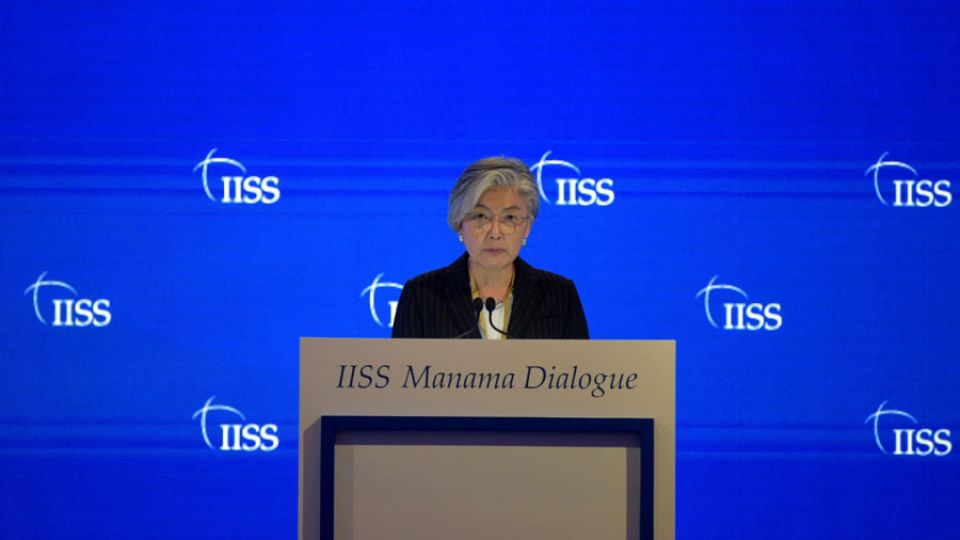
Speaking at a press briefing, Ambassador Kang Kyung-wha said both governments recognize the need to prevent the issue from spilling over into the broader alliance.
“There has been a shared understanding between the two governments that (Seoul and Washington) should stably manage (the Coupang issue) so that it will not burden South Korea-US (relations),” she said.
“We will consistently explain our government’s position through continued consultations with the US side,” she added.
Kang’s remarks came after the US House Judiciary Committee and the White House criticized South Korea’s handling of investigations into Coupang following a massive data leak, arguing that the company has been unfairly targeted by the Lee Jae Myung administration.
The remarks also came amid growing friction over South Korea’s regulatory scrutiny of Coupang, after senior US officials accused Seoul of unfairly targeting the US-listed e-commerce company.
An interim staff report released by the House Judiciary Committee last week alleged that South Korean authorities have disproportionately targeted Coupang and other American-owned businesses, characterizing the government’s actions as discriminatory.
The White House later reinforced that criticism, with an official expressing concern that the Lee Jae Myung administration had “singled out” Coupang.
The Foreign Ministry swiftly pushed back against the accusations, saying on July 2 that it regretted the committee’s report because it appeared to reflect only Coupang’s claims.
The following day, National Security Adviser Wi Sung-lac also rejected the allegations, saying South Korea “does not discriminate against companies based on their nationality.”
The unusually public exchange of conflicting positions between Seoul and Washington has elevated the Coupang dispute into a broader diplomatic issue.
Officials in Seoul are concerned that if Washington’s concerns are not resolved, the dispute could spill over into other areas of bilateral cooperation.
Officials and analysts worry the dispute, if left unresolved, could complicate the broader diplomatic atmosphere for other sensitive bilateral talks, including Seoul’s push to develop nuclear-powered submarines and discussions on expanding South Korea’s access to uranium enrichment and spent-fuel reprocessing for peaceful uses.
The two sides have yet to gain momentum for a second round of bilateral security consultations after resuming the talks last month for the first time in seven months, raising concerns that the Coupang dispute could further complicate discussions.
Kang also commented on a series of Section 301 trade investigations being conducted by the Office of the US Trade Representative, saying the embassy would continue working closely with Washington to reduce any potential impact on South Korean businesses.
She added that Seoul has emphasized the need for the two countries to maintain a balanced approach that protects the interests of both sides, and said US officials have indicated a willingness to do so.
The USTR is currently examining South Korea and a number of other trading partners under separate Section 301 investigations. One centers on forced labor concerns and includes a proposal to levy 12.5 percent tariffs on imports from South Korea and dozens of other economies. Another focuses on what Washington describes as unfair trade practices stemming from structural industrial overcapacity.
Section 301 of the Trade Act empowers the USTR to investigate and respond to foreign trade practices it considers unreasonable or discriminatory. The latest investigations were launched in March after the US administration moved to pursue alternative trade measures following the Supreme Court’s decision to strike down its country-specific reciprocal tariff regime.