

January 2, 2026
SEOUL – The South Korean government is preparing to end overseas adoptions by 2029, shifting responsibility for adoption from private agencies to the state in a move officials say is aimed at strengthening child protection.
The Ministry of Health and Welfare said Friday it has approved a five-year child welfare blueprint, formally titled the Third Basic Plan for Child Policy, which prioritizes domestic adoption and charts a gradual end to overseas adoptions. The plan was endorsed by a government coordination committee chaired by the prime minister.
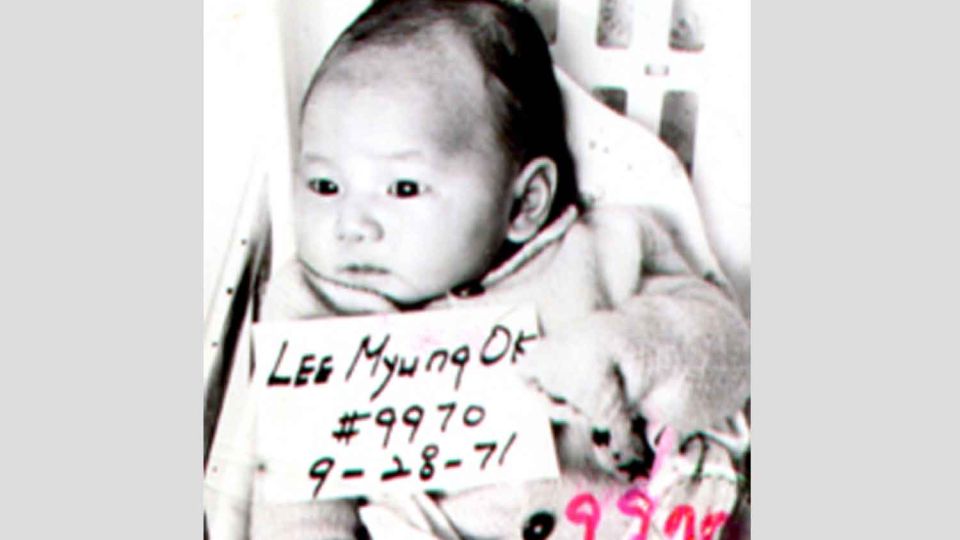
The scheme anchors the child welfare agenda of President Lee Jae Myung, who has described Korea’s history of overseas adoption as a national failure.
“The country once carried the shameful label of an exporter of children,” Lee said in October, pledging that the state would assume responsibility for adoptees.
Under the new framework, the government will oversee the entire adoption process, from placement decisions to post-adoption monitoring, with the Welfare Ministry acting as the central authority.
Overseas adoptions will be allowed only in exceptional cases, with procedures handled directly through coordination with foreign governments.
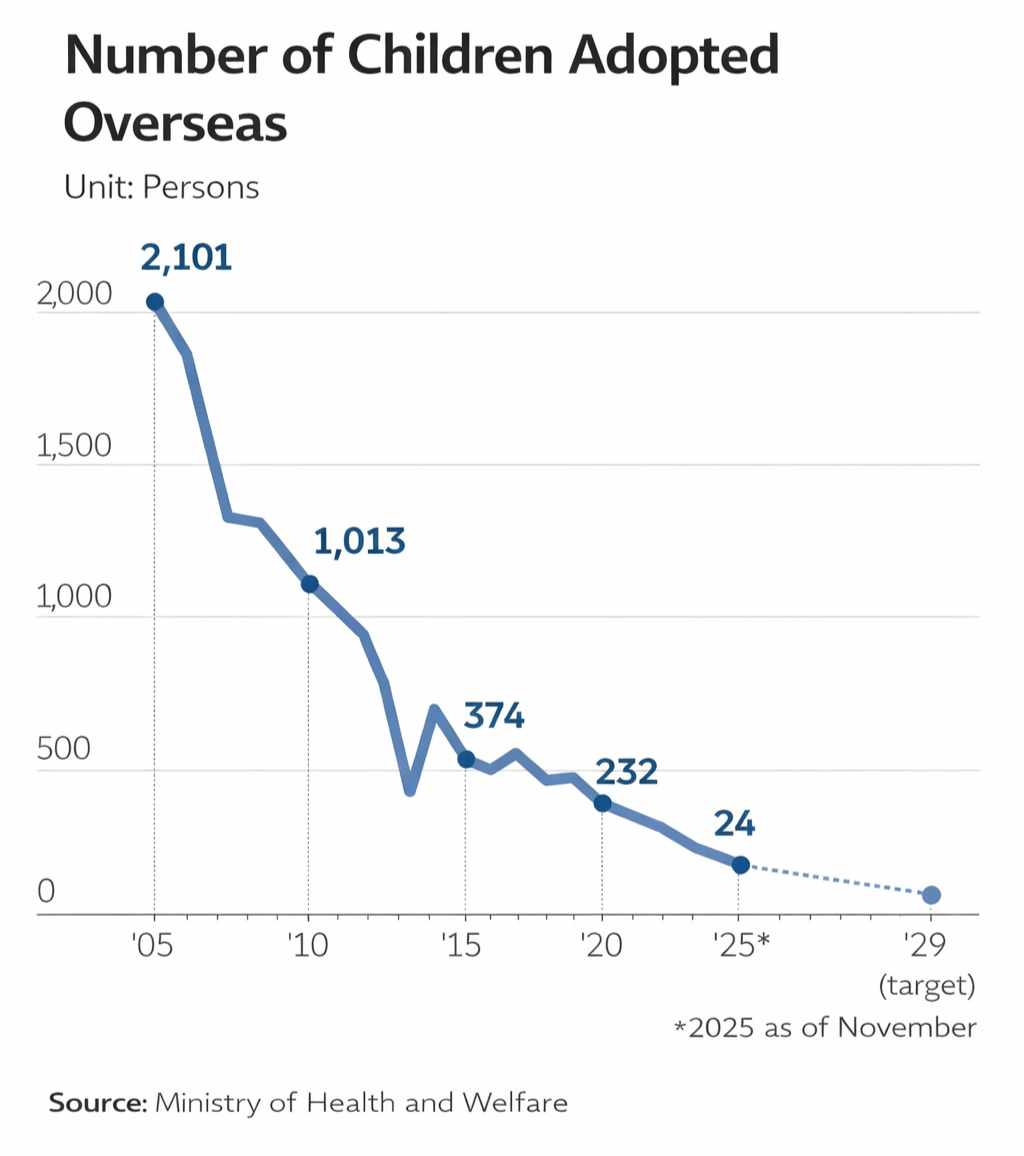
Korea formally shifted toward a public adoption system in July, transferring management from private agencies to central and local governments.
In October, it ratified the Hague Convention on Intercountry Adoption, strengthening safeguards for children moved across borders.
The plan also overhauls foster care, moving child placements under full state management and recognizing foster families as a formal family category with expanded legal authority.
Provincial governments will be required to regularly assess foster homes, adoptive families and child care facilities, while support for reunification with biological families will be expanded.
In response to repeated child abuse deaths, the government will establish a special review body to conduct in depth analyses of fatal cases and is considering a broader system to examine the causes of all child deaths.
Beyond adoption, the plan broadens social support. Child allowances will be gradually extended to children under 13 by 2030, with additional payments for nonmetropolitan and depopulating regions.
The government also plans to introduce short-term parental leave, expand overnight community child care and broaden vaccination coverage.
Undocumented migrant children will be granted temporary residency through March 2028 to ensure access to education while officials study the introduction of universal birth registration.
Vice Health Minister Lee Seu-ran said the measures aim to establish a system in which children are treated as rights-holders and the state bears primary responsibility for their protection.