

September 24, 2025
SEOUL – The Lee Jae Myung administration is reviving plans to create a public medical academy and launch a “regional doctor system,” putting long-debated measures at the center of a sweeping overhaul of South Korea’s public health care and social security systems.
In a policy briefing Monday, Health and Welfare Minister Jeong Eun-kyeong said the government will, within the year, draft the legal basis for the public medical academy to train doctors committed to essential and regional care. Building the school itself could take three to five years, depending on legislative progress, she added.
Alongside the academy, the administration will introduce a regional doctor system that sets aside a quota of medical school seats for students who agree to work about 10 years in underserved areas after obtaining their licenses.
The Korean Medical Association has warned that the scheme may violate constitutional rights to choose a profession and residence. However, Jeong argued that legal reviews indicate little risk if applicants voluntarily accept the obligation when entering medical school. Similar proposals were floated in 2020 under the Moon Jae-in government but were scrapped after protests from doctors.
These flagship initiatives are part of a broader blueprint to reduce regional gaps and reinforce essential medical services. The government also aims to complete its plan to transfer oversight of national university hospitals from the Education Ministry to the Health Ministry by the end of the year.
Jeong said the move would allow greater flexibility in staffing, wages and clinical operations, and help develop the hospitals into regional hubs capable of treating critically ill patients.
“We have long planned to strengthen clinical capacity and regional networks by transferring national university hospitals to the Welfare Ministry,” she said, noting that the National Assembly’s Education Committee is reviewing the necessary legislation.
Beyond health care delivery, the ministry plans to inject more than 1 trillion won ($717 million) next year into research and development in biohealth, medical AI and pharmaceuticals — the first time such funding will exceed the trillion won mark. The funds will support full-cycle projects from basic research to commercialization, including a specialized fund for Phase 3 clinical trials and advanced regenerative medicine.
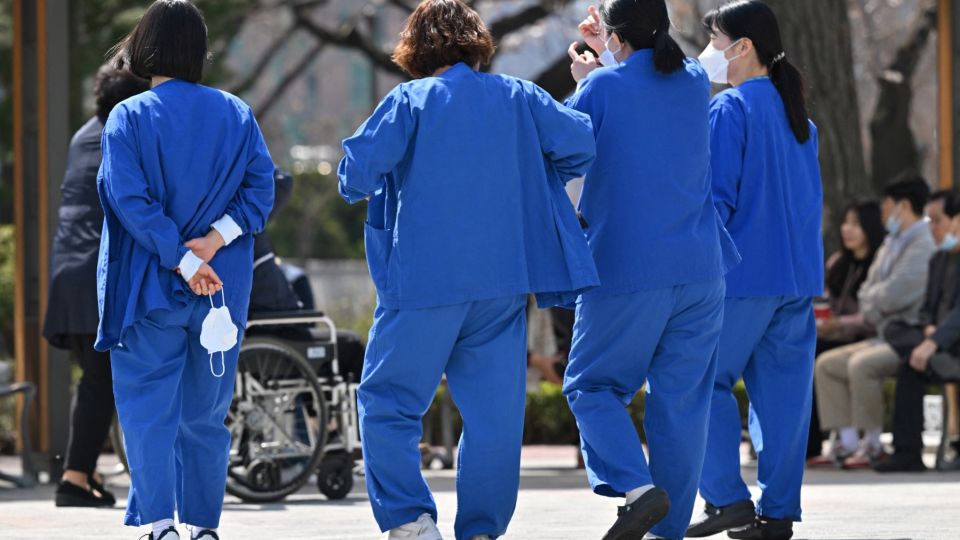
Meanwhile, regarding the ongoing furlough of doctors who protested the previous administration’s plan to expand the medical school quota by 2,000 students, Jeong said the government audit of the plan was still underway. She added that the Board of Audit and Inspection will announce the results once the review is completed.
These plans are part of five core policy goals and 11 national tasks aimed at building a sustainable health care system. The ministry will release detailed directions next month after a public medical innovation committee gathers social consensus.
Jeong stressed that the reforms will focus on reducing regional disparities, securing essential medical services and strengthening public health infrastructure.
“Our goal is to create a sustainable health care system for Korea,” she said.