

March 16, 2026
SEOUL – Education support systems for students with international backgrounds are failing to keep pace with their rapidly growing numbers, raising concerns about whether Korean schools are equipped to help them adapt to the curriculum.
According to Education Ministry data released Sunday, students with international backgrounds made up more than 30 percent of the total at 123 schools year, up from 47 in 2020.
The data was obtained by the office of Rep. Jin Sun-mee of the ruling Democratic Party of Korea.
Students whose parents are naturalized or foreign citizens are counted as having international backgrounds. The survey, however, only included schools with at least 100 students, suggesting the actual number of schools with sizable minority student enrollment may be higher.
Separate data indicates that facilities designed to help these students catch up with the Korean curriculum remain insufficient, particularly Korean language classes.
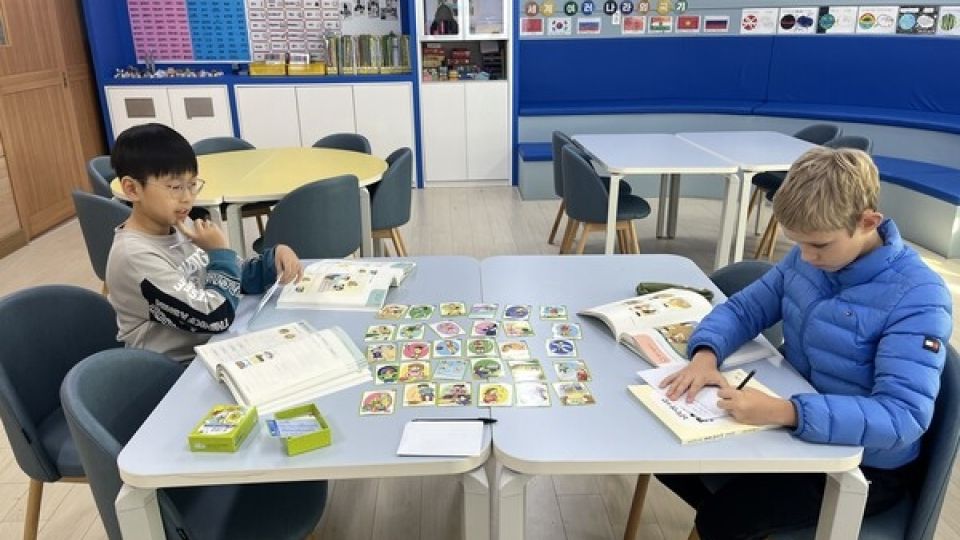
These classes provide intensive education, including language instruction, during the initial period after students enter the Korean education system, to eventually integrate them into regular classrooms.
Although the Education Ministry guideline recommends a maximum of 10 students per Korean language class to ensure adequate support, the average class size rose from 13.8 students in 2020 to 21.5 in 2024.
Gyeonggi Province recorded the highest average at 28.9 students per class. North Gyeongsang Province, Gwangju, South Chungcheong Province and South Gyeongsang Province followed, each reporting more than 22 students per class.
Only Jeju Island and Gangwon Province met the guideline of fewer than 10 students per class.
The number of students with international backgrounds has more than tripled over the past decade, surpassing 202,000 nationwide in 2025. However, a persistent shortage of facilities and specialized personnel to support them is placing a growing strain on schools and raising concerns about potential maladjustment among the students.
The dropout rate among students with international backgrounds stood at 2.22 percent, slightly higher than the overall student dropout rate of 2 percent in 2023. Their university enrollment rate, however, was 13 percentage points lower than that of other students at 61.9 percent, according to government data.
“Urgent efforts are needed to ensure that students with international backgrounds can receive adequate education regardless of where they live,” Jin said. “Education authorities must present practical measures, such as easing overcrowding and expanding the number of teachers and support staff.”