

March 27, 2026
SEOUL – A nasal inhalation product promoted to students as a quick way to boost concentration is gaining traction in South Korea, raising safety concerns after authorities found some versions contain substances linked to lung damage and allergic reactions.
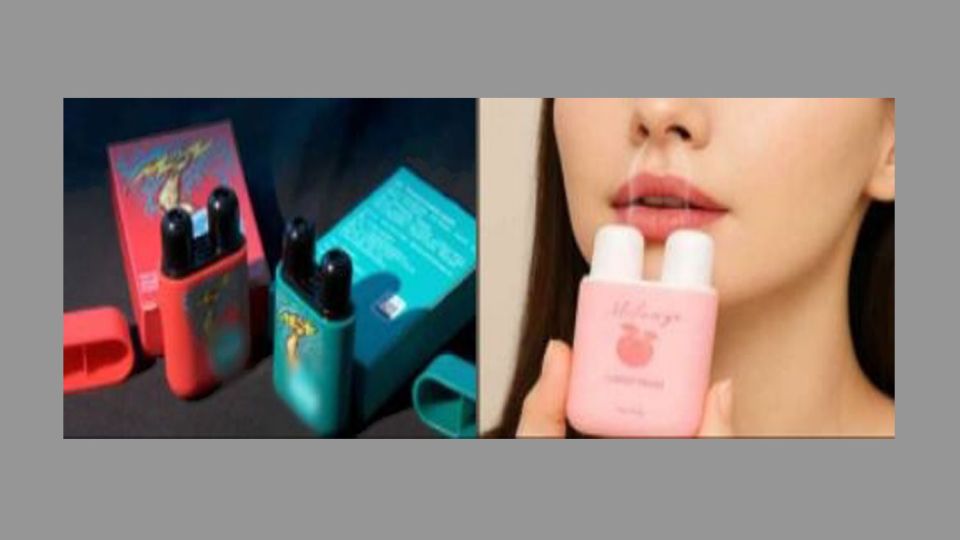
The products, often marketed on social media as “energy bars” for the nose, are small, portable inhalers designed to be used directly through the nostrils. They have become popular among teenagers, particularly exam-takers, on claims of enhancing focus and warding off drowsiness.
A review by the Korea Consumer Agency of 10 products sold online found that some contained potentially harmful compounds.
Among them was vitamin E acetate, an oil-based substance that may accumulate in the lungs and impair oxygen exchange when inhaled. The compound has been restricted in liquid e-cigarettes due to similar health risks and has not been verified as safe for inhalation.
The agency also identified allergenic substances, including linalool and limonene, in multiple products at levels exceeding disclosure thresholds, raising additional concerns over possible irritation and adverse reactions.
Despite containing ingredients comparable to those used in cosmetics or household chemical products, the inhalers are classified and sold as general consumer goods or home-use devices. This regulatory gap allows them to bypass stricter safety standards typically applied to inhalable or chemical-based products.
Online marketing has further fueled their spread, with advertisements emphasizing unverified functional claims such as improved concentration and reduced fatigue, while largely omitting information on potential health risks.