Why kimchi made the US government’s gut health list
In the new guidelines, kimchi is highlighted alongside foods such as sauerkraut, kefir and miso as a fermented food that helps support gut health by maintaining microbiome…

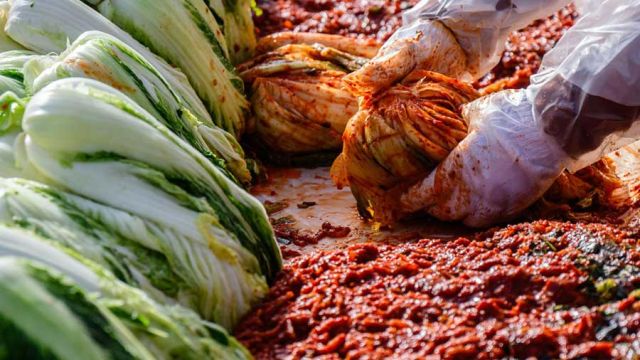
In the new guidelines, kimchi is highlighted alongside foods such as sauerkraut, kefir and miso as a fermented food that helps support gut health by maintaining microbiome…

The most vulnerable sections of society include children, the elderly, pregnant women, and individuals suffering from asthma, heart disease, or diabetes, an expert said.

A study reveals that 5 in 10 older Singaporeans are frail, with 1 in 4 experiencing loneliness, particularly those over 80 and of Malay or Indian ethnicity.

The latest recall came after 21 batches of Nestle’s infant and children’s formula were taken off the shelves last week due to the suspected presence of bacillus cereus that…

Dr Chen Shiling left her hospital job to found Happee Hearts Movement, which runs Singapore's first dedicated community-based healthcare service, IDHealth, for people with…

A deadly traffic accident, where a taxi driver in his late 70s allegedly drove onto a sidewalk in one of Seoul’s busiest districts, is sharpening attention on how South Korea…

Super flu refers to the H3N2 influenza A variant known as subclade K, which has been spreading globally since the final quarter of 2025.
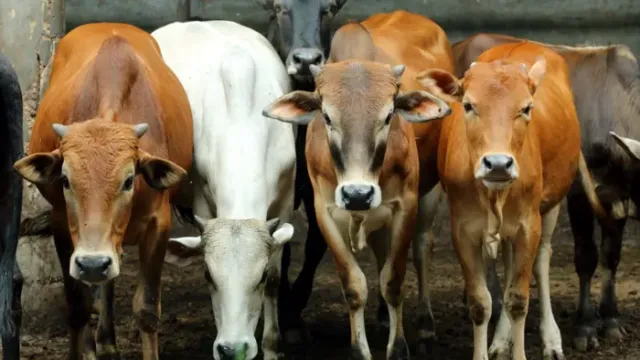
The Department of Veterinary Services said samples of bacteria taken from livestock, including poultry, pigs, and dairy cattle showed increasing resistance to certain types of…
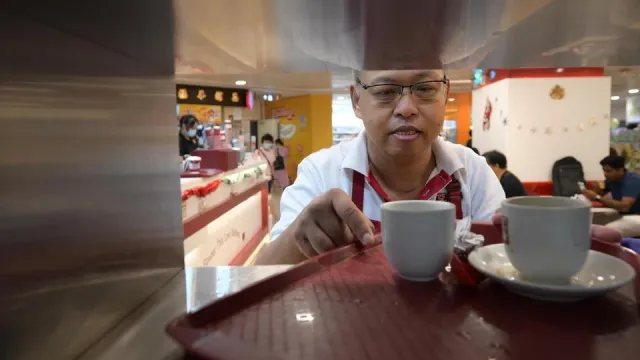
The job fair was co-organised by the National Kidney Foundation (NKF), and local social enterprise The Social Equity (TSE), which promotes social inclusion.
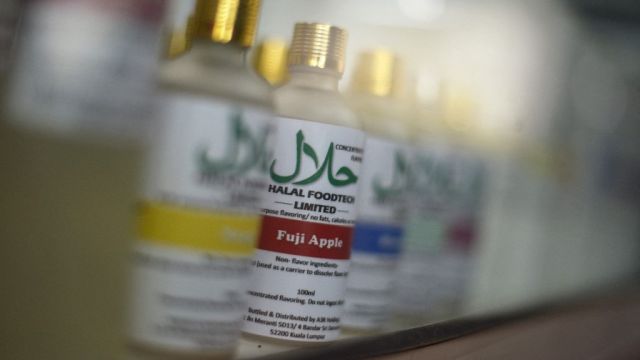
The Health Minister said the decision sends a clear and absolute message on banning advertising, promoting or sponsoring of tobacco products, which included e-cigarettes and vape.