

July 7, 2026
BANGKOK – In the rapidly expanding global wellness economy, the line between traditional folklore and modern biochemistry is becoming increasingly blurred. Nowhere is this pharmaceutical evolution more apparent than in Thailand, where a humble, subterranean root belonging to the ginger family has quietly staged a medical revolution.
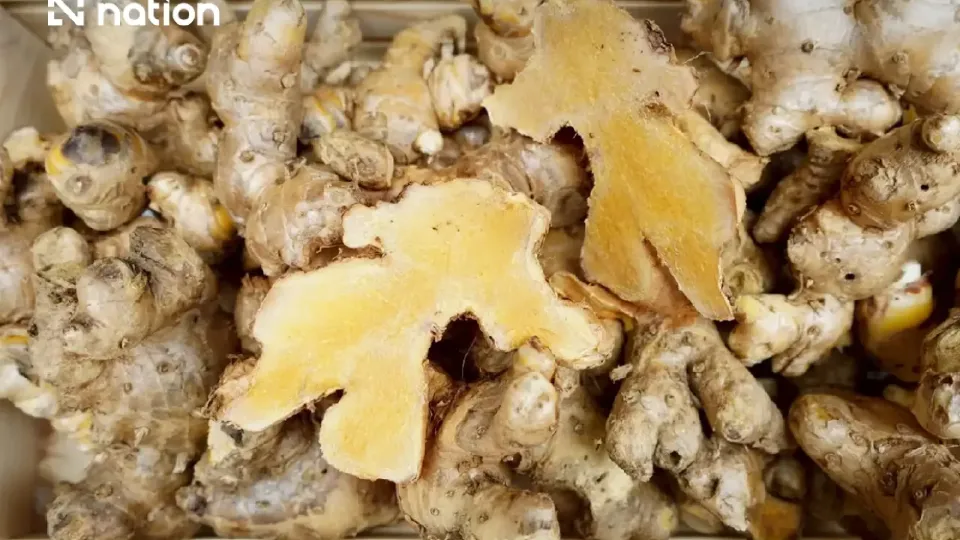
Krungthep Turakij originally reported that Plai (Zingiber cassumunar) has officially clinched the prestigious title of Thailand’s “Herbal Product of the Year.”
Once relegated to rural kitchen gardens and traditional massage clinics, the medicinal plant has undergone a massive state-backed transition into mainstream clinical practice.
According to recent data released by the Department of Thai Traditional and Alternative Medicine, Plai-based remedies were prescribed to patients under the National Health Security Scheme a staggering 3.73 million times during the 2026 fiscal year alone.
This state-backed integration represents a total economic value of over 242.4 million baht, positioning Plai firmly at the top of all state-prescribed herbal treatments.
A Modern Pharmacopoeia Built on Ancient Wisdom
To those familiar with rural Thai life, Plai is an ancient staple. Known as Pu Loei in the mountainous north and Wan Fai across the central plains, the root has been the backbone of traditional therapeutics for centuries.
It remains the essential ingredient in Luk Prakob—the steaming herbal compress balls used in traditional Thai massage—and drives traditional postpartum remedies like Prasa Plai, which is included in the National List of Essential Medicines to assist maternal recovery.
However, the Thai public health sector is looking far beyond folk applications. In a breakthrough development, the state-run Government Pharmaceutical Organization (GPO) has officially launched oral “Plai Extract Capsules.”
Unlike the topical oils and creams of the past, this new innovation is explicitly engineered to combat respiratory conditions, including asthma, chronic allergies, and allergic rhinitis.
“The current national push for Plai is not merely about preserving a single herb; it is about systematically connecting traditional Thai heritage with the global wellness market,” stated Dr Pongsadhorn Pokpermdee, director-general of the Department of Thai Traditional and Alternative Medicine.
The launch coincides with a major diplomatic milestone, as Thailand prepares to play host to the international healthcare community at the Global Wellness Summit. The prestigious event is viewed by state officials as a prime opportunity to showcase Thailand’s traditional medical advancements to international buyers.