

December 12, 2025
ISLAMABAD – There is no need for officialdom to take umbrage at critical findings.
If anything, the state needs to work with independent experts to identify the gaps and plug them.
Regarding the claim about our eastern neighbour, several studies, including one conducted by the World Bank, do not support it.
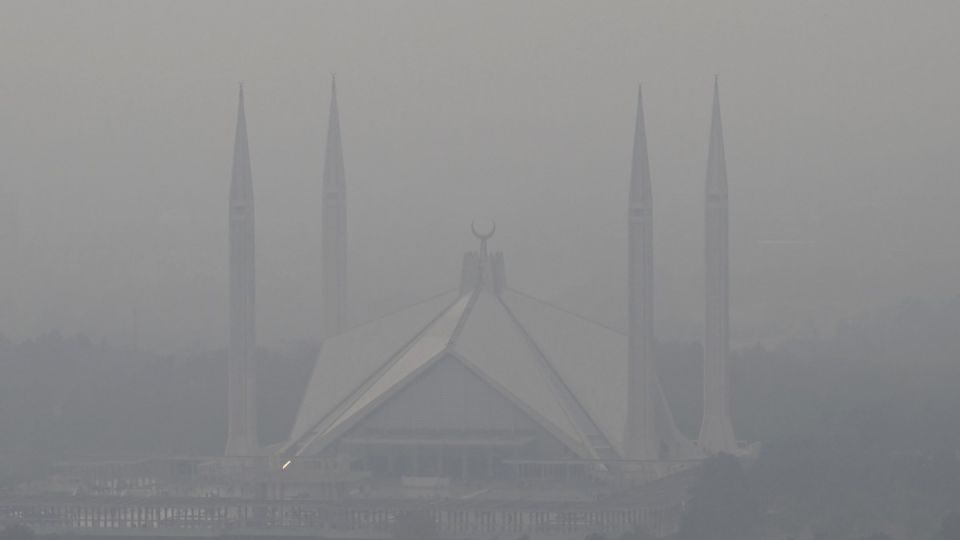
While transboundary pollution certainly contributes to toxic air, the primary sources are domestic.
As the PAQI study suggests, there is a need to target ‘super-emitters’.
This means electrifying 30m or so motorbikes and rickshaws, and instituting mandatory controls on industry to check pollution.
The Punjab government has taken such steps, while the centre has encouraged the transition to electric vehicles.
Countrywide, environmental standards must be applied to industries across the board, while Pakistan’s woeful urban transport sector needs to be brought into the 21st century, particularly in Karachi.
If modern bus and urban train networks, run on electricity and renewables, were available, this could significantly reduce congestion on the roads, and vehicular emissions.
Of course, billions need to be pumped in to modernise the public transport sector.
But the choice is to make the investment, or choke in toxic air. As the PAQI report argues, “it is time to act”.