

November 20, 2025
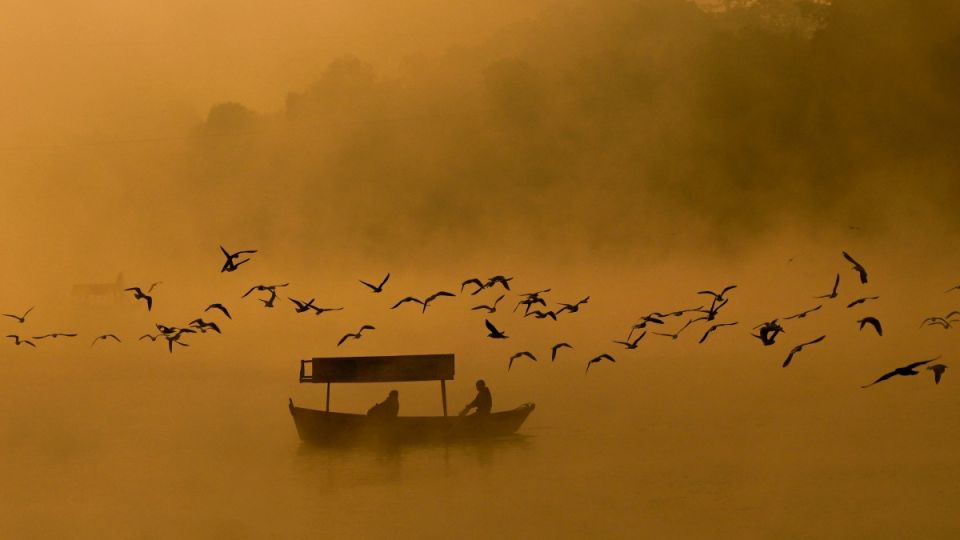
NEW DELHI – Parts of Madhya Pradesh and Maharashtra are experiencing a sharp drop in temperatures and so are large parts of plains in the country, making mid-November feel more like the peak of winter.
On Tuesday, Rajgarh in western Madhya Pradesh recorded the lowest night temperature — 5.8 degrees C — in the plains. November has been colder than usual, and in the period beginning Thursday, minimum temperatures are likely to be below normal 2-4 degrees C over most parts of the country, except the northeast and Western Himalayan region.
Currently, cold wave to severe cold wave conditions are prevailing in parts of Madhya Maharashtra and Madhya Pradesh with an early-season winter sweeping across the country, turning the first half of November chillier than usual. From the northern plains to central India, and even Maharashtra, minimum temperatures dipped below normal almost every day this month—a pattern meteorologists describe as “unusual but within year-to-year variability.”
A large part of that can be attributed to La Niña—the cooling phase of the El Niño–Southern Oscillation cycle—a weather phenomenon when sea surface temperatures in the central and eastern Pacific Ocean drop below average.
Despite global warming, which normally raises temperature baselines, La Niña winters bring colder temperatures. It alters wind and weather patterns globally, bringing colder winters to north India, and this time even central and western parts, and that too so early.
In days to come, experts say La Niña may intensify cold spells, result in more frequent cold wave days, lower night-time temperatures, and greater snowfall in the Himalayas—all of which requires mitigation efforts and preparedness in agriculture, infrastructure, and public health.
Increased snowfall benefits water resources and reservoirs, but it also poses challenges, impacting daily life. Low temperatures in northern and central India are good for winter crops like wheat but also risk frost risks, and increasing energy demand.
La Niña is a climatic phenomenon that originates far away from India, but its influence on the Indian subcontinent is substantial. Typically, La Niña events are also associated with stronger-than-usual monsoon seasons in India.
In the post-monsoon season (October to December), it may contribute to increased rainfall in parts of southern India, which is happening right now. Cold waves in the plains tend to be more severe because clear skies allow rapid cooling at night. The Himalayan region can expect heavier snowfall and prolonged frost periods.