

July 16, 2026
TOKYO – Crude oil prices are rising again as uncertainty surrounding the situation in the Strait of Hormuz intensifies.
Price hikes of crude oil lead to cost increases in various fields that use petroleum products, including materials and logistics. Following the outbreak of hostilities between the United States and Iran, there is a growing trend in Japan to pass these costs on to product prices. There are concerns about higher prices and an increased burden on consumers.
Economy, Trade and Industry Minister Ryosei Akazawa expressed the view that a stable supply is possible through the end of fiscal 2027.
“We have secured necessary crude oil and petroleum products,” he said at a press conference following Tuesday’s Cabinet meeting.
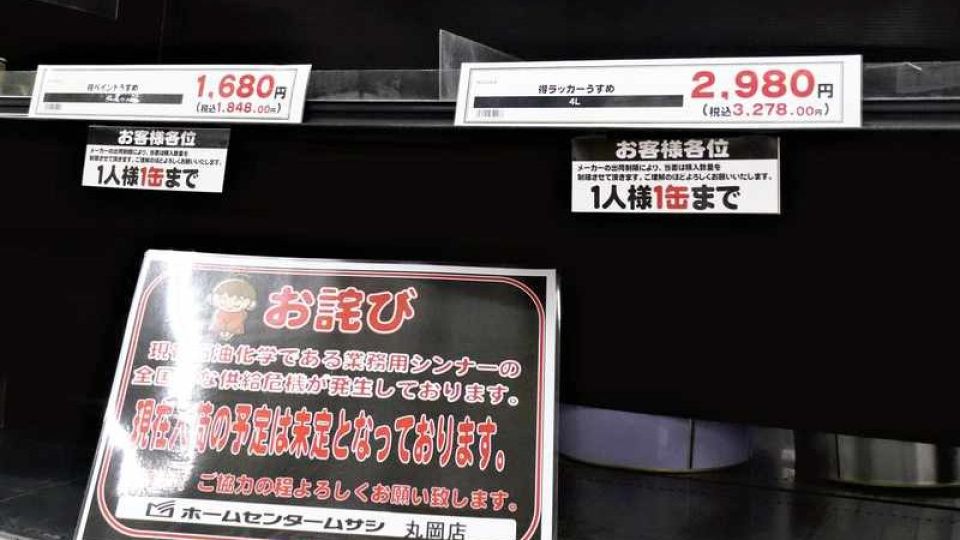
Supply concerns regarding crude oil and naphtha, or crude gasoline, are gradually being alleviated as efforts to procure crude oil from the Middle East and the United States — meaning transport does not pass through the Strait of Hormuz — progress,.
On the other hand, concerns about rising crude oil prices remain strong. On the New York crude oil futures market on Tuesday, the August delivery price for West Texas Intermediate (WTI) briefly reached the $81-per-barrel range, its highest level in about a month.
In Japan, a number of price hikes driven by high crude oil prices is underway. Calbee, Inc. announced it will gradually raise prices on a total of 75 items, including “Potato Chips,” while Ezaki Glico Co. announced price increases for 169 items, including confectionaries and processed foods, both starting in October. According to Teikoku Databank, price increases for food and beverage products total 14,902 items from January through November, based on confirmed data. A widespread wave of price hikes is expected to continue from this summer onward.
Price increases for materials such as containers and packaging may also lead to price hikes for final products after a time lag. Four major food container manufacturers, including FP Corp., raised prices for food trays and other items by 20%–30% or more starting with shipments in June. There is a possibility that these cost increases will be passed on to consumers at supermarkets and other retailers selling prepared foods.
Yuki Togano of the Japan Research Institute, Ltd., pointed out, “If uncertainty surrounding the procurement of crude oil-derived products intensifies, the wave of price hikes will continue due to rising costs. If such a situation continues, it could lead to upward pressure on global prices and potentially weigh on the economy.”